Located not far from the small seaside village of Torekov on the Bjäre peninsula, just a stones throw from the sea lies Dagshög. It is the largest grave mound in the Swedish province of Skåne.
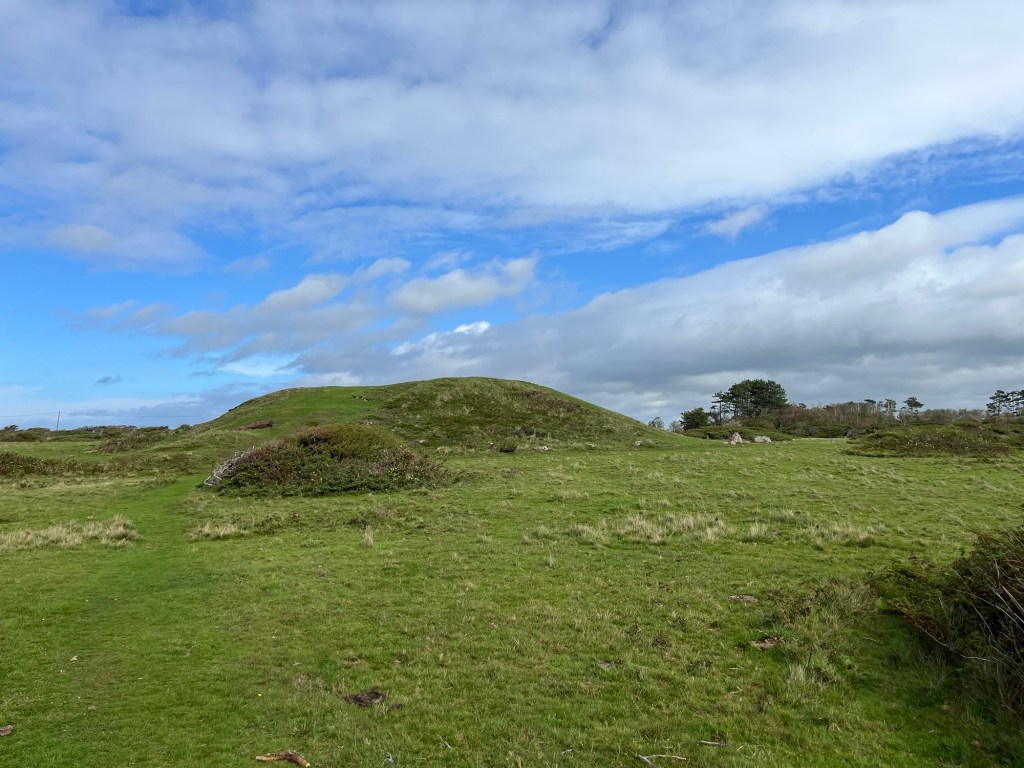
The mound is 42 meters in diameter and five meters high. The mound got its name from a local legend about a King named Dag that ruled over the rich kingdom of Skåne. But the Svea king in Uppsala wanted the riches of Skåne and travelled south with his retinue of warriors. His army met that of King Dag where the mound is located. Dag fell during the battle and he was buried there whit his men and the mound was erected over their bodies. This legend is set some time during the Iron Age. But we know that this legend is just that, a good story.

The mound and others like it in southern Sweden are dated to 1800-1100 BCE which is the late Bronze Age. This is a long time before the time of the legend of Dag is supposed to have happened.
The mound have never been excavated by archaeologists, but in the middle there is most like a coffin made out of an oak log that has been hollowed out. The coffin might also have been constructed using stone slabs. Over the coffin a mound of stones were erected and on top of them grass turf was used to cover the mound. Later generations returned and reused the mound and buried ceramic urns with cremated human ashes in the outer parts of the mound. It saw continued use for about 1000 years.
Even if the person in the grave wasn’t Dag the king of Skåne, it must have been a very important person to be resting in such a great mound.
The late Bronze Age in Scandinavia was a very rich period and the people that lived here was part of a culture and network that spanned Europe. They were just as culturally advanced as the people living in Central Europe.

During the Second World War a watch-post was constructed on top of the mound but it was removed in 1956 and the mound was restored.
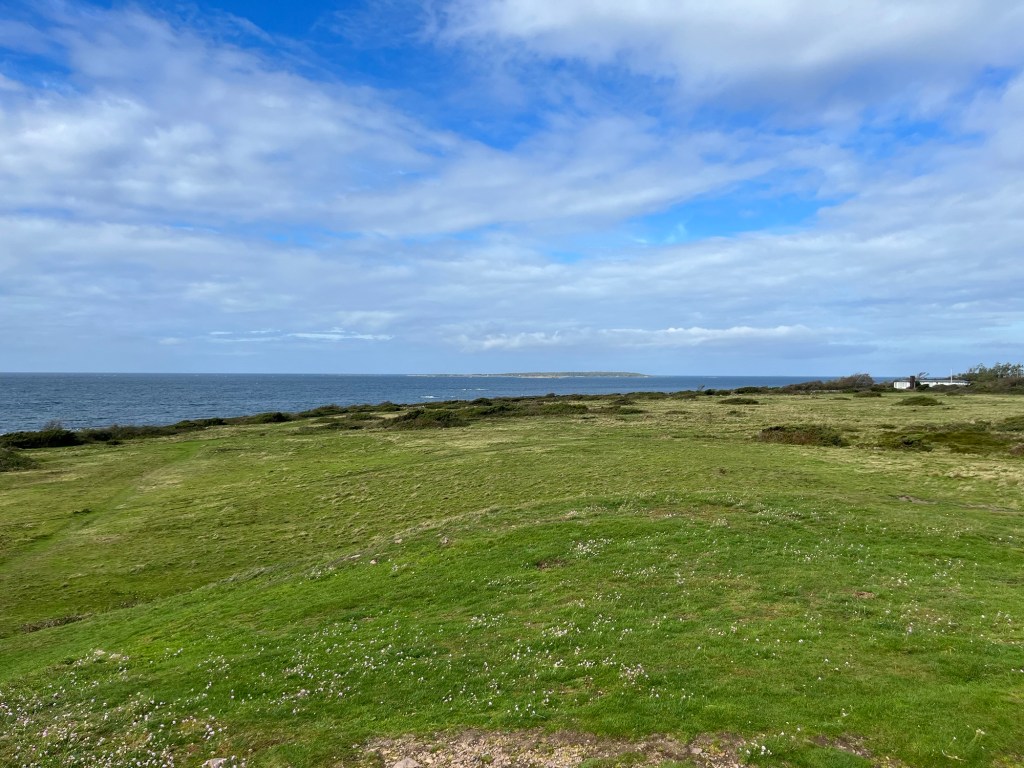
The area around the mound is a nature reserve with a diverse flora and other interesting historical places. The land around the mound have been used as pasture for a very long time. Probably since the time of the its creation.
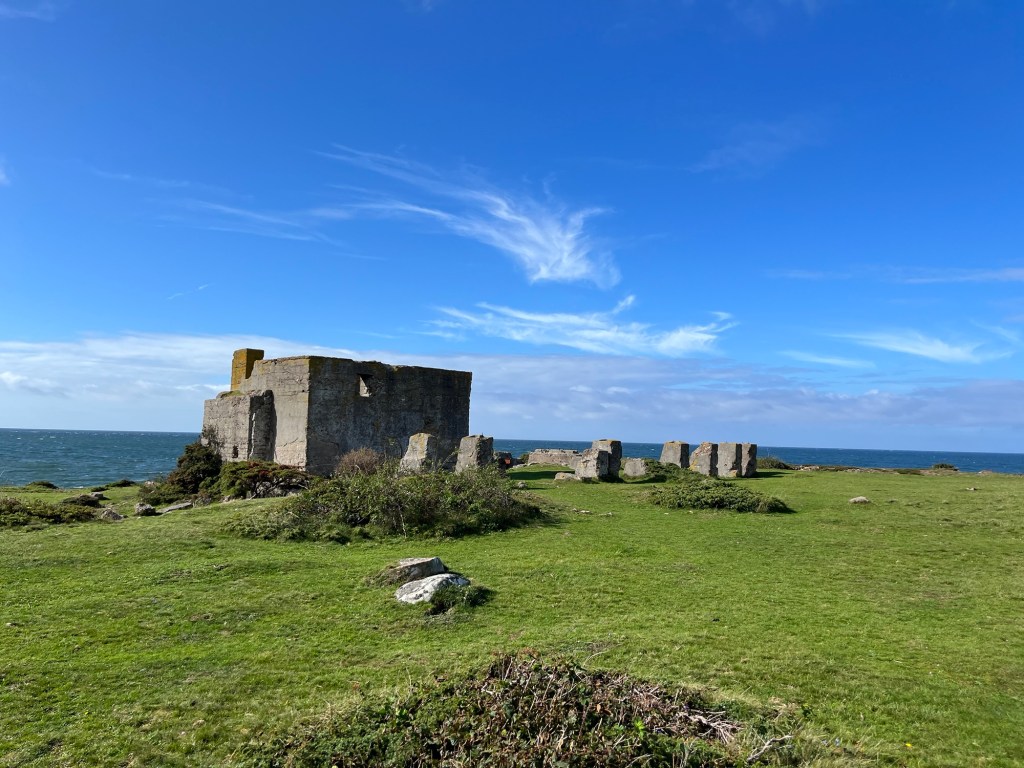
I spent many childhood summers here because my grandparents had a summer house on walking distance. The area has several old installations from the Second World War still preserved which was a perfect playground for young children.
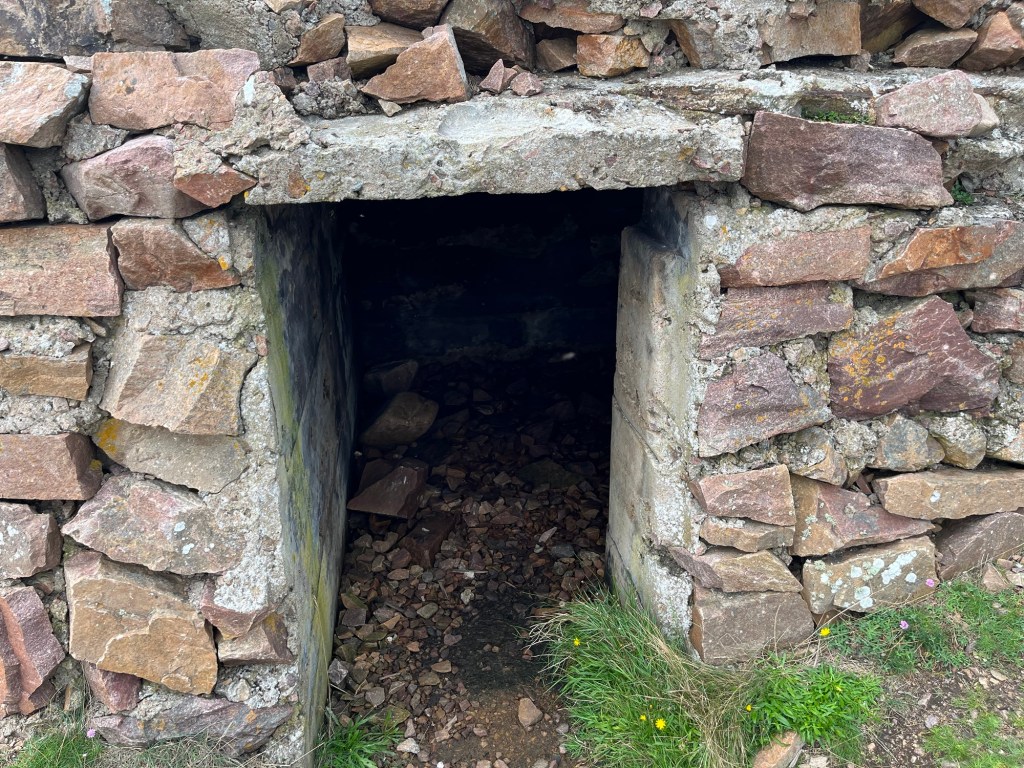
The bunkers were part of Skånelinjen also called Per Albin-linjen after the Swedish Prime minister during WW2. The 500 kilometer line was a coastal defense against a German invasion.
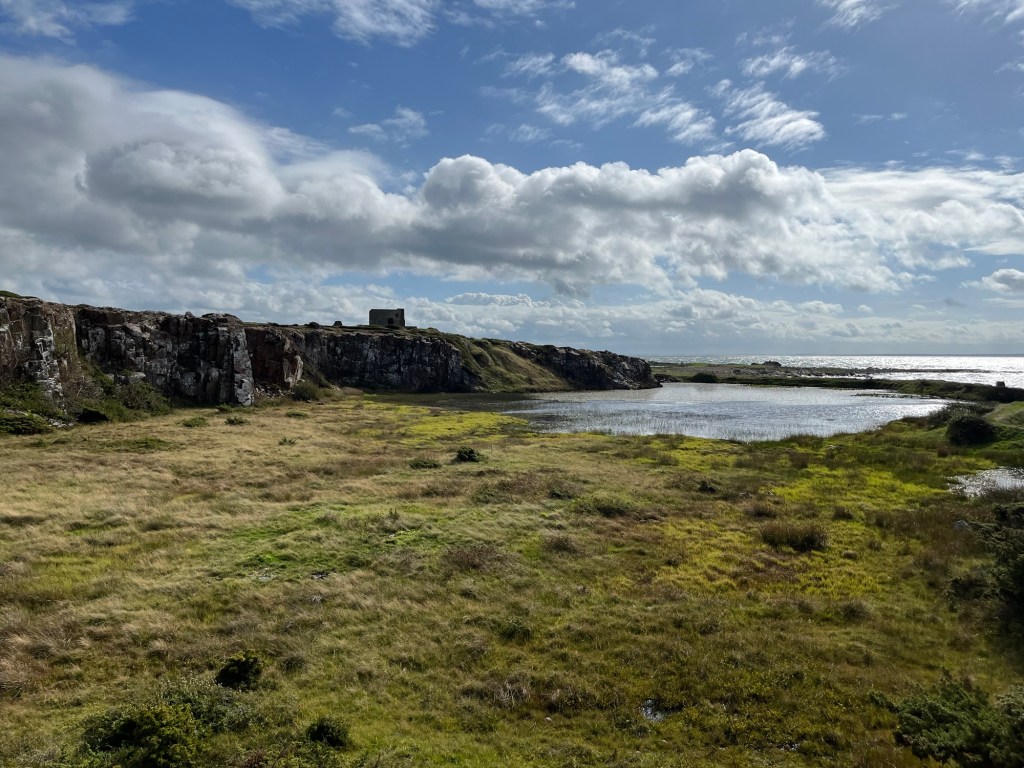
There is also a water filled stone quarry here from the beginning of the 20th century. Later one of the locals experimented with fish farming in the quarry but it was unsuccessful because of the high salinity that killed the fish.
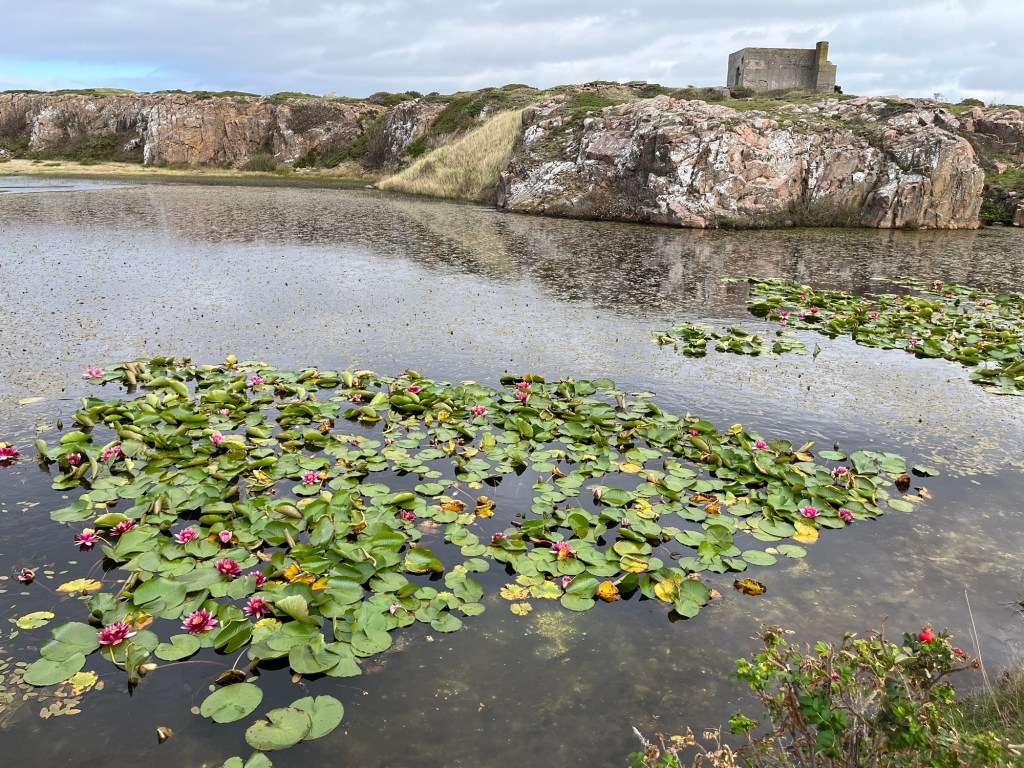
Now someone has planted water lilies, Nymphaea x marilacea there that flower’s beautifully.

 Fornminnen
Lämna en kommentar