Sometimes you find places you didn’t know that you were looking for, and for me Mortensnes was just such a place. I was traveling in my van along a small road in spectacular landscape on the Varangerhalvøya when I saw a sign indicating a site of cultural heritage. So I decided to stop to check it out.

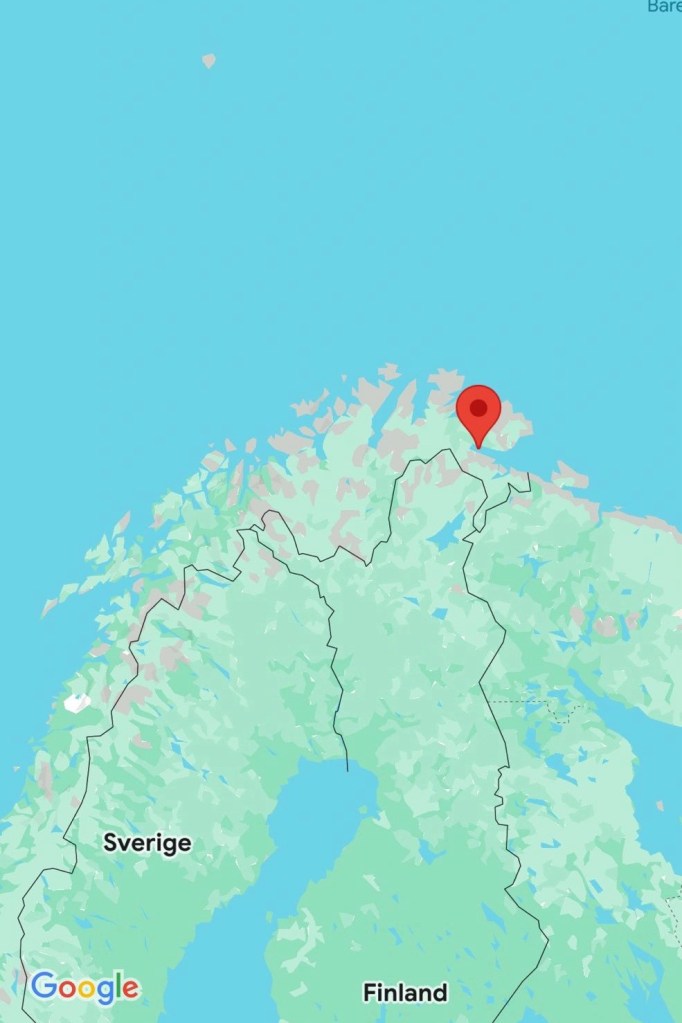
Varangerhalvøya are a peninsula in the Barents Sea located in Northern Norways Finnmark province, a few hours drive from the Russian border.

Deciding to stop here was really hitting the jackpot for someone like me that enjoys sites of historical and cultural significance. Ceavccageađge is the Sami name, but this place have been in use even before there was any Sami speaking peoples here. The oldest traces of human activity are 10000 years old.
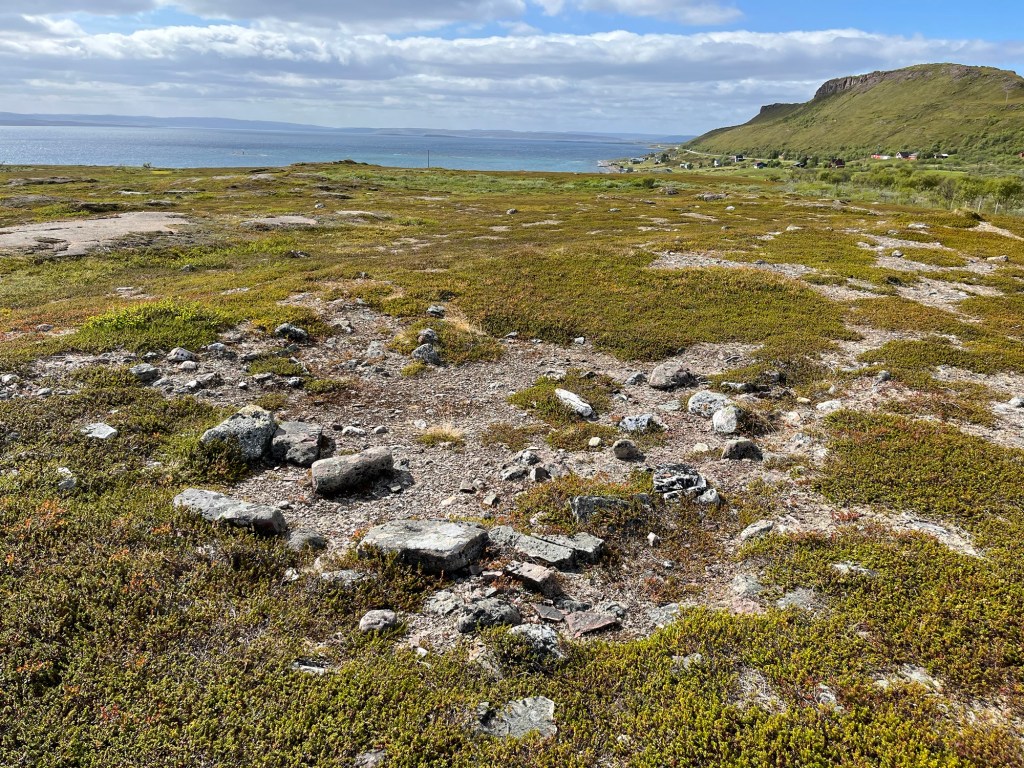
The first settlers here were the ancestors of all Scandinavians in Norway and Sweden. They migrated into the area from the east when the ice receded after the last ice age. They moved south along the Norwegian coast and quickly came into contact with another group of settlers that had migrated from the south and moved north in Sweden and up north along the Norwegian coast that was ice free.

When they came into contact with each other they seem to have integrated with each other fairly quickly as can be seen in the genetic studies.
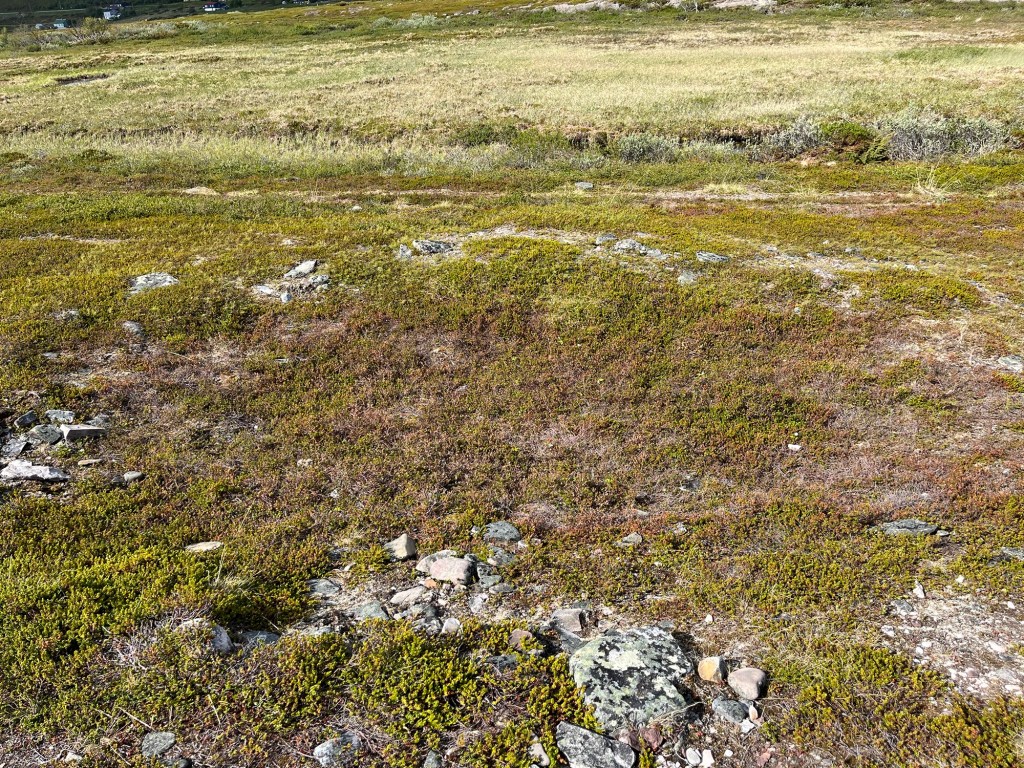
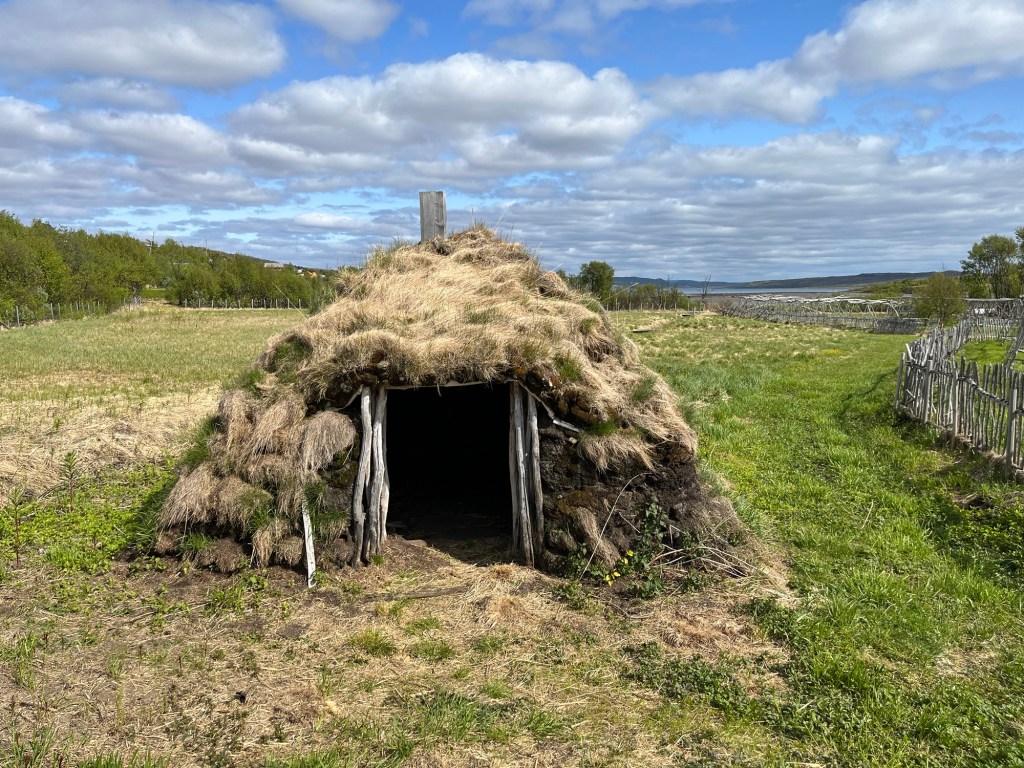
Some of the oldest signs of human habitation here are rings of smaller stones on the ground. These stones that are still visible to the eye are what’s left from tents that people lived in. The stones probably held down the tent that was most likely made from animal hides. Inside archaeologists have found coal from fireplaces and flint shavings. These type of rings are in use between 10000 and 6000 years ago. After this we see larger more house like structures made with turf that is more permanent than the tents that was probably used by nomads.

Around year 0 we see the first appearance of Sami culture. The people at Mortensnes seem to give up their settled lifestyle and become nomadic. Their houses disappear and are replaced by typical Sami structures that are only in use parts of the year.

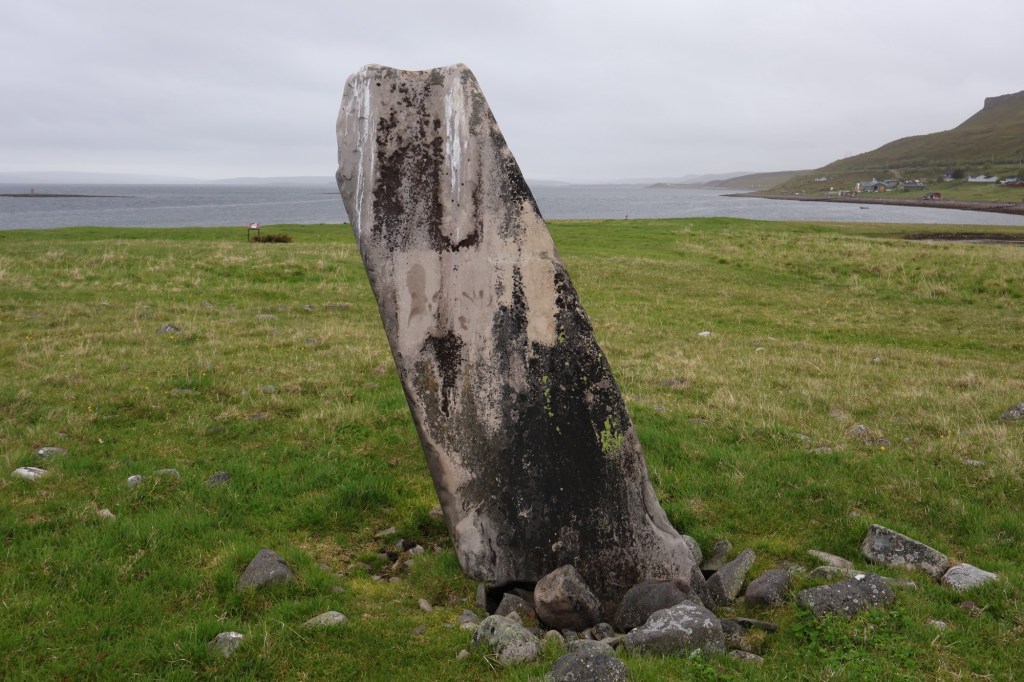
There are several stones at the site that were holy to the Sami. They left sacrifices at the stones. This type of practice can be seen all over Scandinavia where Sami have once lived. The stones are often natural in their shape but often have a shape that makes them stick out. These stones are called siedi in this area but in Sweden they are also called sejte.
One of the sacred stones here looks like a bear. Another one is called Ceavccageađge which is Northern Sami for fish oil stone, this is the rock that gave the site its Sami name and fish oil was sacrificed at the rock to get good luck while fishing.
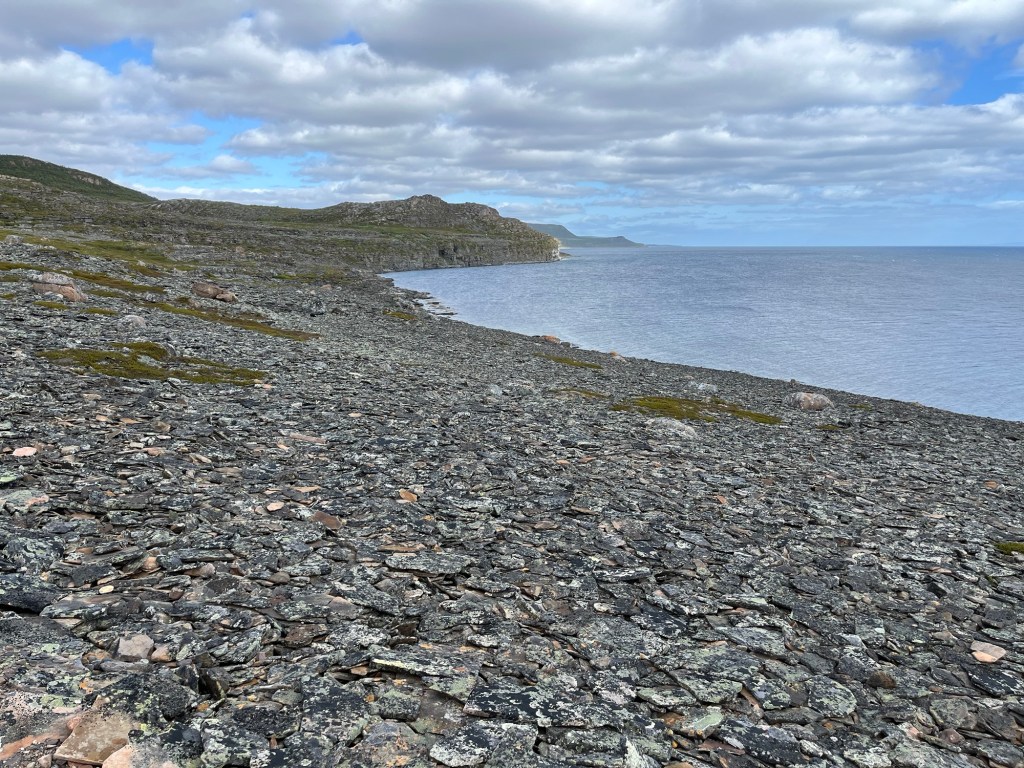
There are around 500 known Sami graves in the area consisting of small cavities built with flat slate. The graves are dated between 1000BCE and 1600CE. The Sami grave field are the largest one in Northern Norway. One very interesting grave find here are a ski that were dated to 400 BCE, making it one of the oldest skis in Norway.
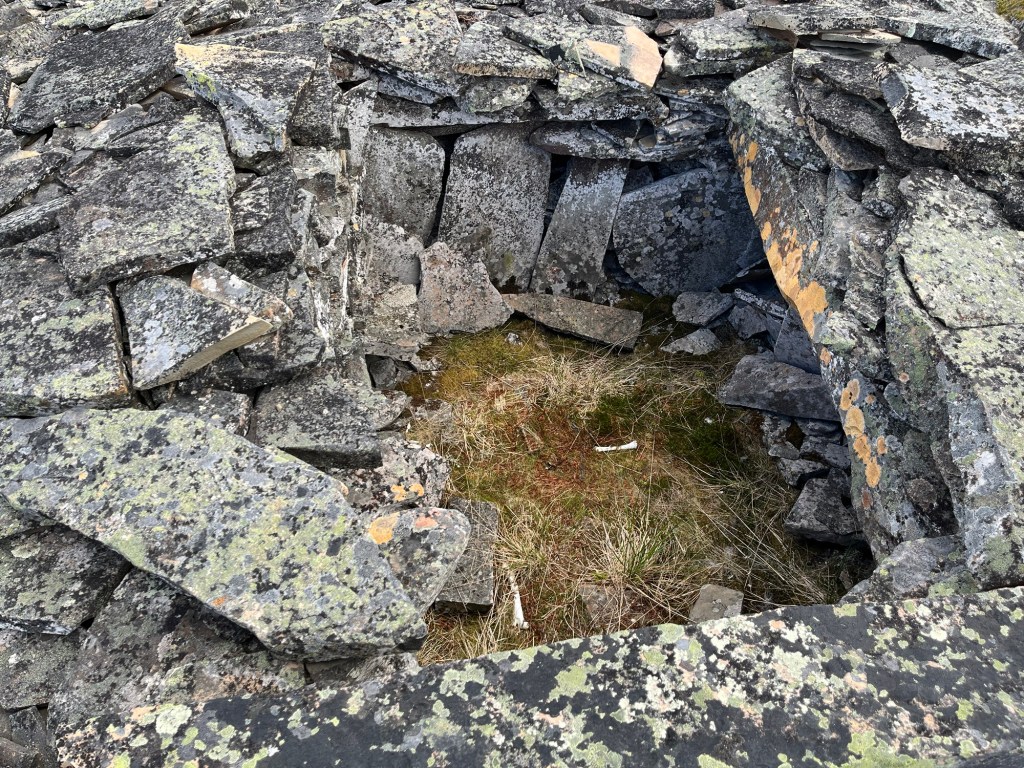
There are also several animal graves containing reindeer and also bears. These are ceremonial in nature.
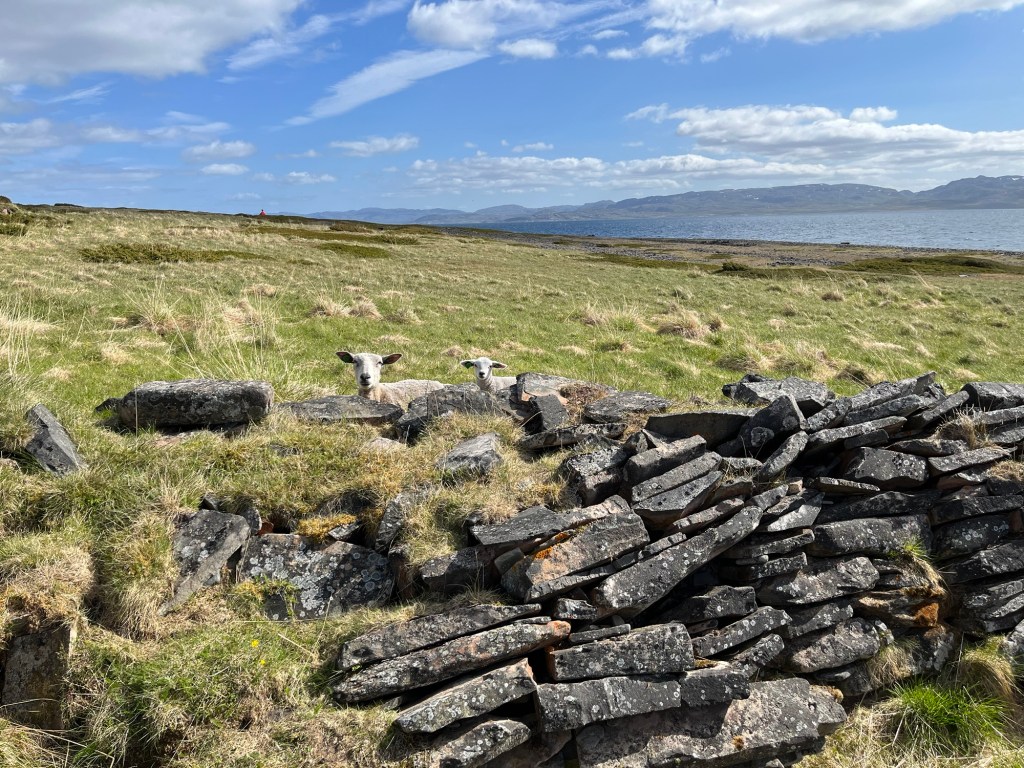
Between 1784 and 1877 there was a trading post here used by Norwegian merchants that traded with the Sami and Pomors, Russians that lived along the Barents Sea and the White Sea coasts.
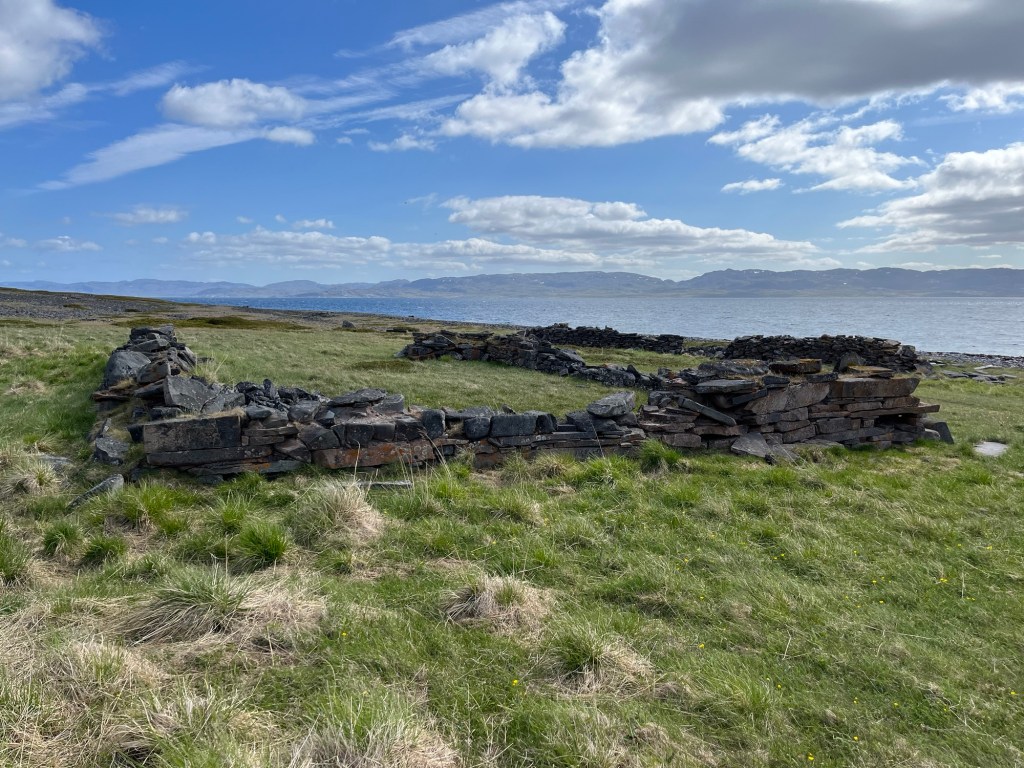
The Norwegian merchants had direct trade links with Hamburg, Kiel in Germany and Copenhagen in Denmark. Today only the remains of some of the foundations of the buildings remain visible.
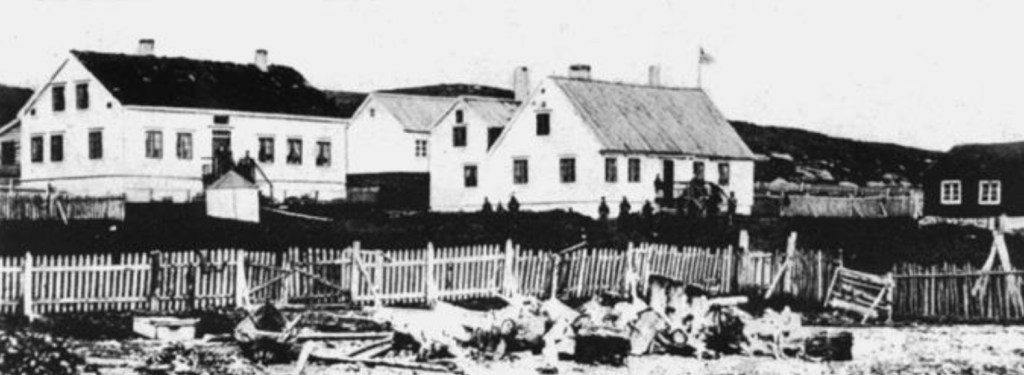
The main building was moved away when the trading company went bankrupt.
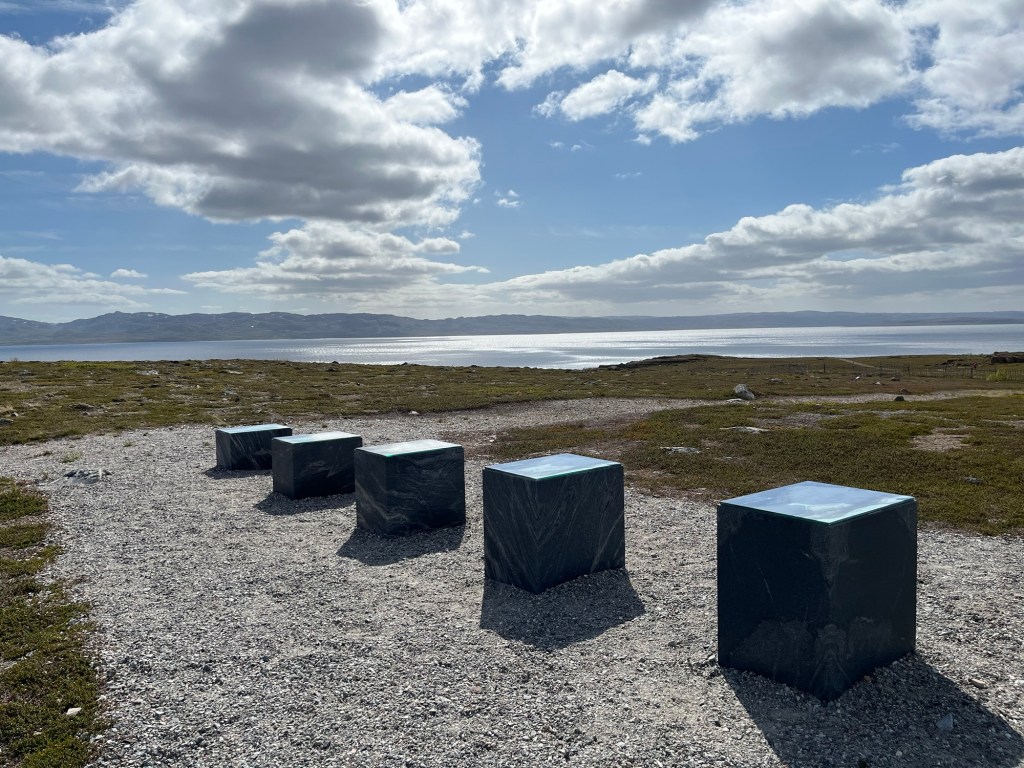
The area is easily accessible for most people with walking trails and signs. There is a museum at Mortensnes that was closed when I visited. But I visited the main branch of the Varanger Sami Museum in Varangerbotn instead where many finds from Mortensnes are on display.

The museum also gives the visitor a great insight into the lives and culture of the Coastal Sami that inhabit the area.
I would really recommend anyone who has the possibility to visit this hauntingly beautiful place at the end of the world.
Update from the summer of 2024
During my visit to Mortensnes in 2023 I apparently missed some significant things, which is easy to do as the site is very large. So during my trip in the area this year of 2024 I decided to revisit as I was driving past there anyway.
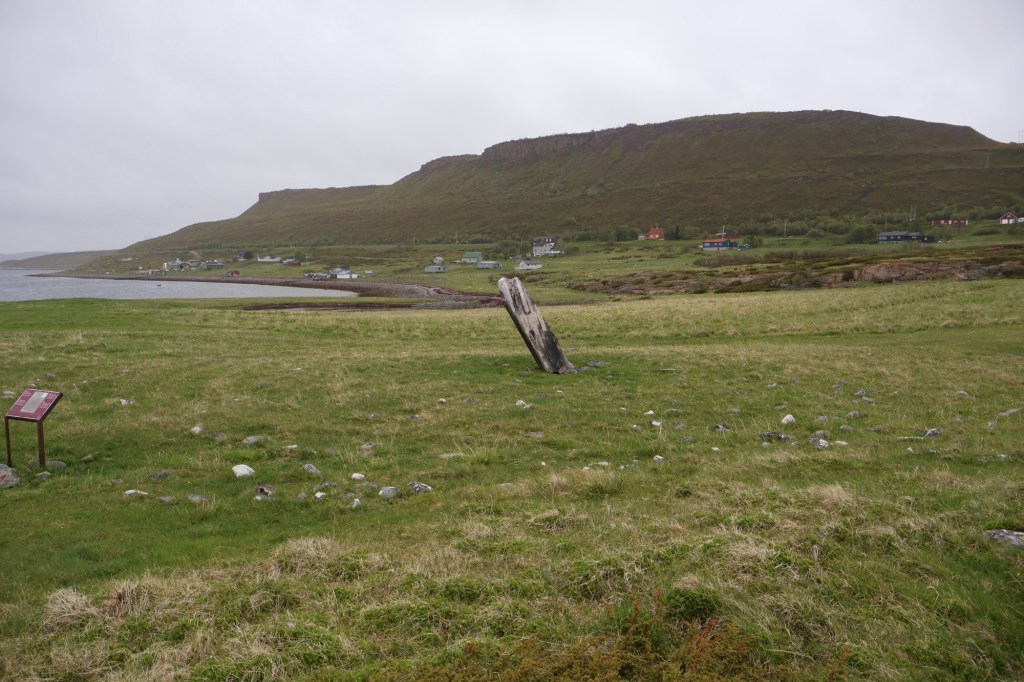
The most obvious thing that I had missed was the Sami Sieidi, an offering rock that gave the site its Sami name Ceavccageađge. The stone labyrinth around the Sieidi is also clearly visible.

This time I also got to see foundations from the houses of gressbakken type that are dated to 2000 BCE. They had four entrances and two fireplaces along its central axis. It was partly subterranean.

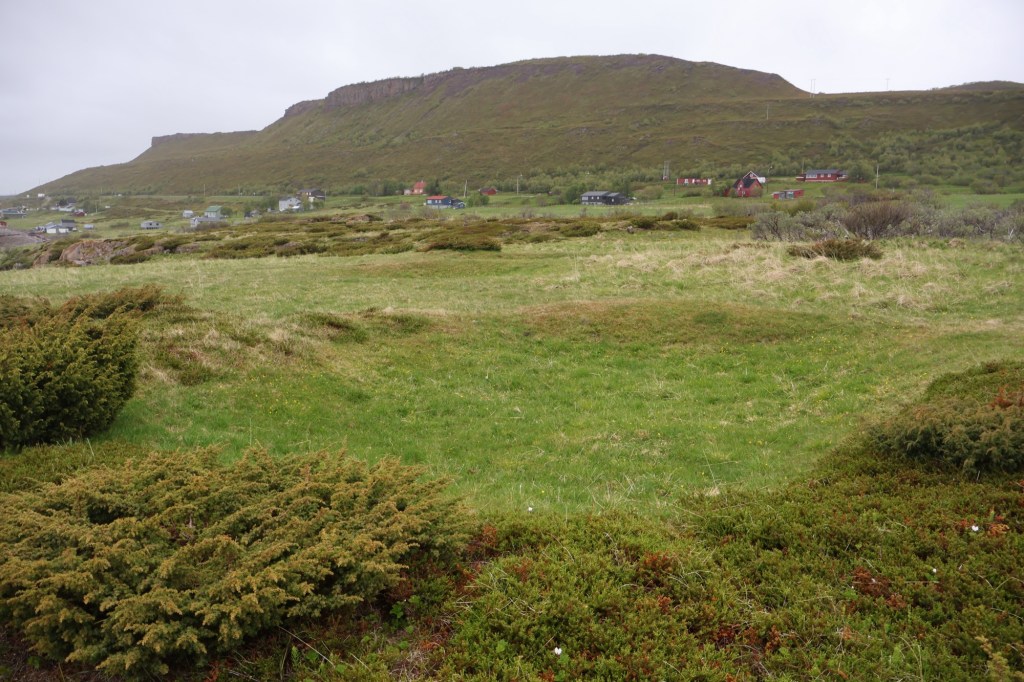
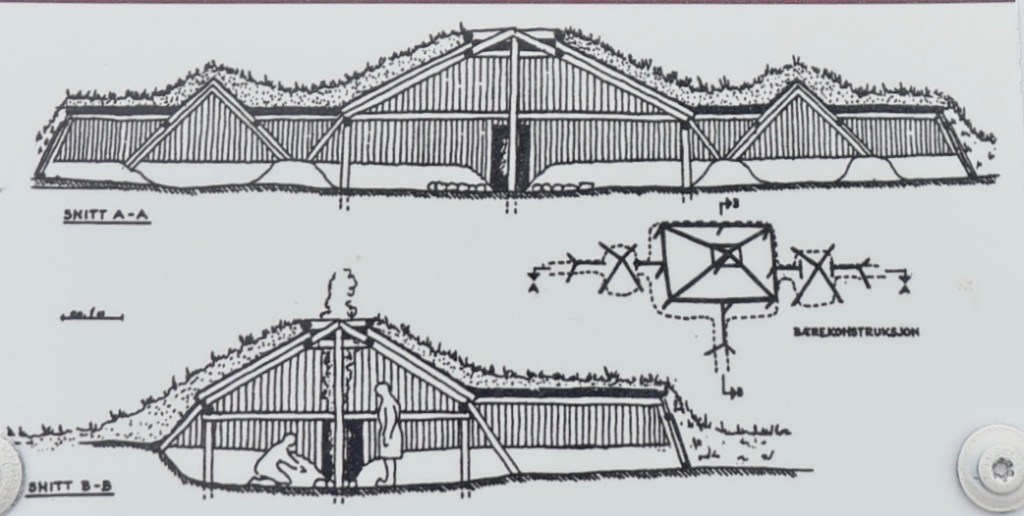
Near these house foundations there is also a foundation of a boathouse from around 1000 CE. Originally it was located by the shoreline, but because of the rising land levels since the last ice age it is now 7 meters above the sea level.

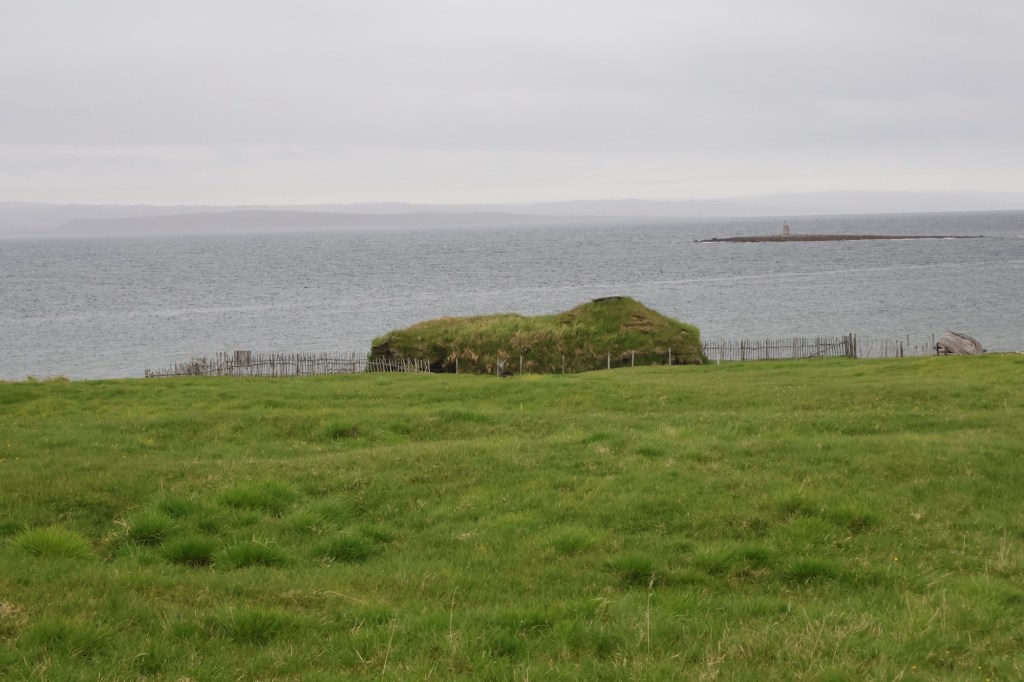
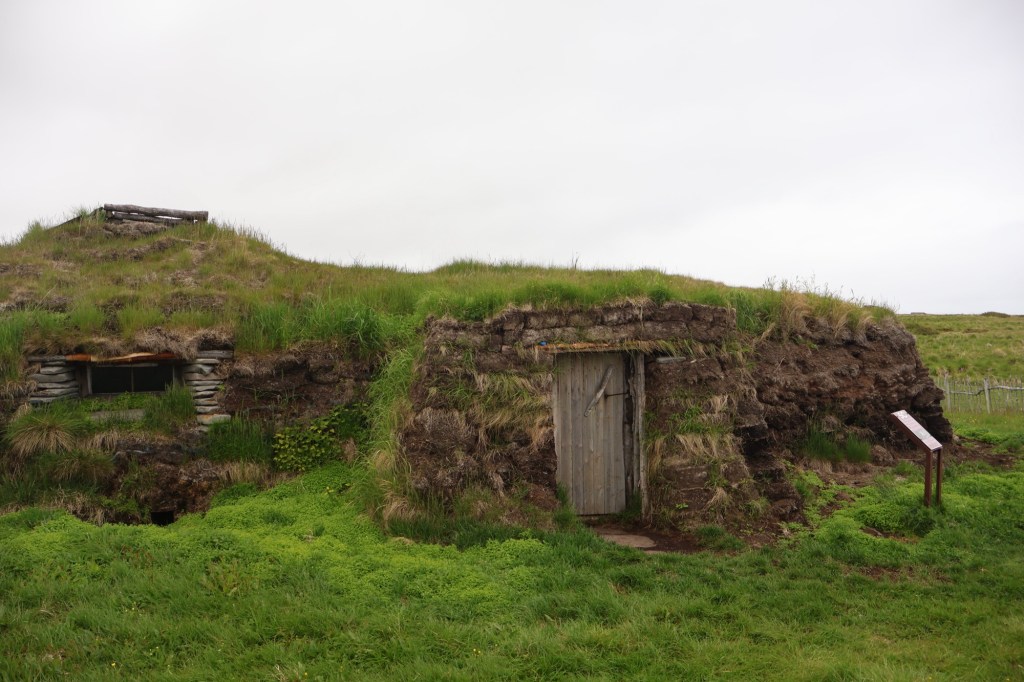
Here is also a reconstructed communal hut of a stave type from the 19th century. It is constructed using wood and peat. There is also a section for animals.
 Fornminnen
Lämna en kommentar