At Lofoten in northern Norway lies the farm of Borg. In 1981 the farmer there was ploughing his fields discovered the remains of a settlement. Archeologists were called in from the University of Tromsø. They soon realized that this was no site of only local interest.
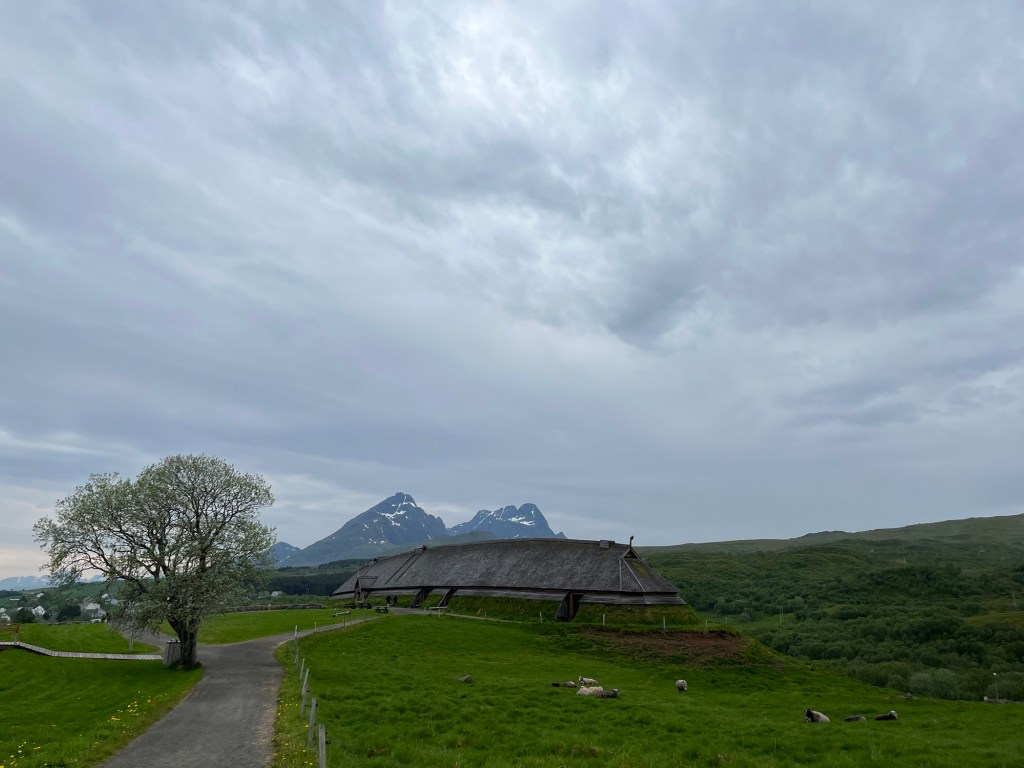
Between 1986-89 a Nordic research group was formed that excavated the site. They discovered three longhouses on the site the earliest one is called Borg I it was in use from year 500 and 950. Even if this is the earliest of the halls the archeologists found that the site was used already around year 200.

The hall was then 67 meters long but around year 700 this building is rebuilt and it becomes 83 meter long. Making it the longest longhouse in Scandinavia. This second house is called Borg II.

The building was divided between different functions like living quarters and in one part the cows were kept. In the middle the feast hall was located.
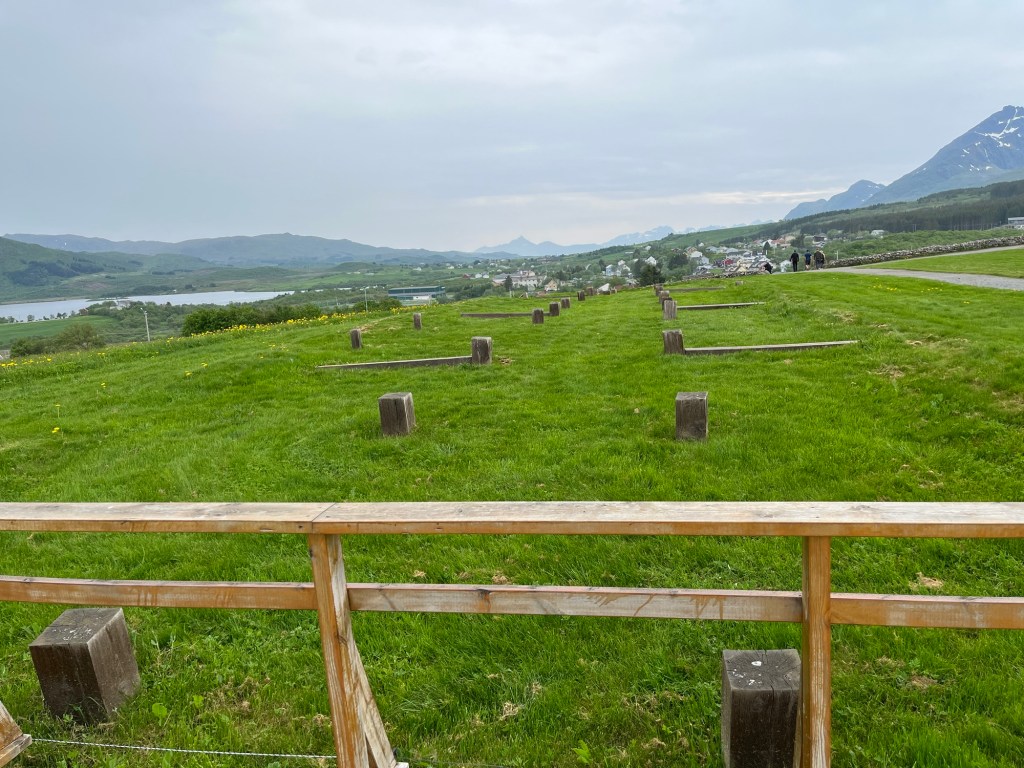
The builders took extreme care when rebuilding the house placing the posts in the exact same positions as the old on. This is however only the case with the feast hall. The other parts of this house wasn’t dealt with in the same way.
Why was this? The most likely reason is that the feast hall was an important ceremonial place. Continuity was very important to these people.
At one of the posts where the chieftains seat might have been they placed several guldgubbar, small plates of gold with figures hammered into dem. Many whit a kissing couple. Most finds, several thousand of them have been made in former danish areas like Uppåkra in Sweden. In these areas a lot of different pictures have been found. But in Norway and Sweden the finds are fewer but the kissing couples are most common here.

Some experts believe that they were used as a sacrifice when a new chief took his place at the seat and married.

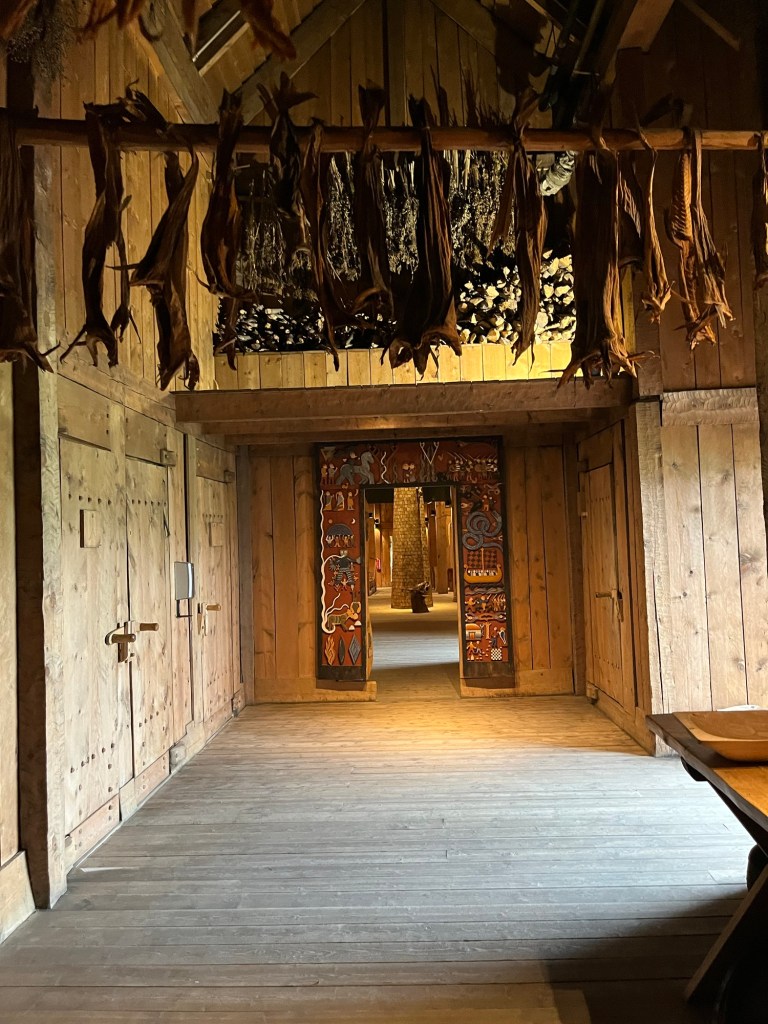
The importance of the hall can be seen in the written sources. The Beowulf epos are a great source for understanding how rituals were carried out in the hall. At important holidays the walls would be decorated with textiles depicting stories about gods and men. Such textiles survive even today. Some were found in the Oseberg ship burial but was in bad shape. In Sweden several were preserved in near perfect shape, the so called Överhogdals tapestries. They are well deserving of a post of their own in the future. During the feasts it is possible that the skald in the hall might have used them in their storytelling for greater effect.
The rituals in the hall were important to the bond between the chief and his men in the hird. He would provide them with food and drink as well as gifts. In return they would be loyal and serve him. It is this system that in continental Europe would evolve into the feudal system where knights would serve their lord in exchange for gifts or land.
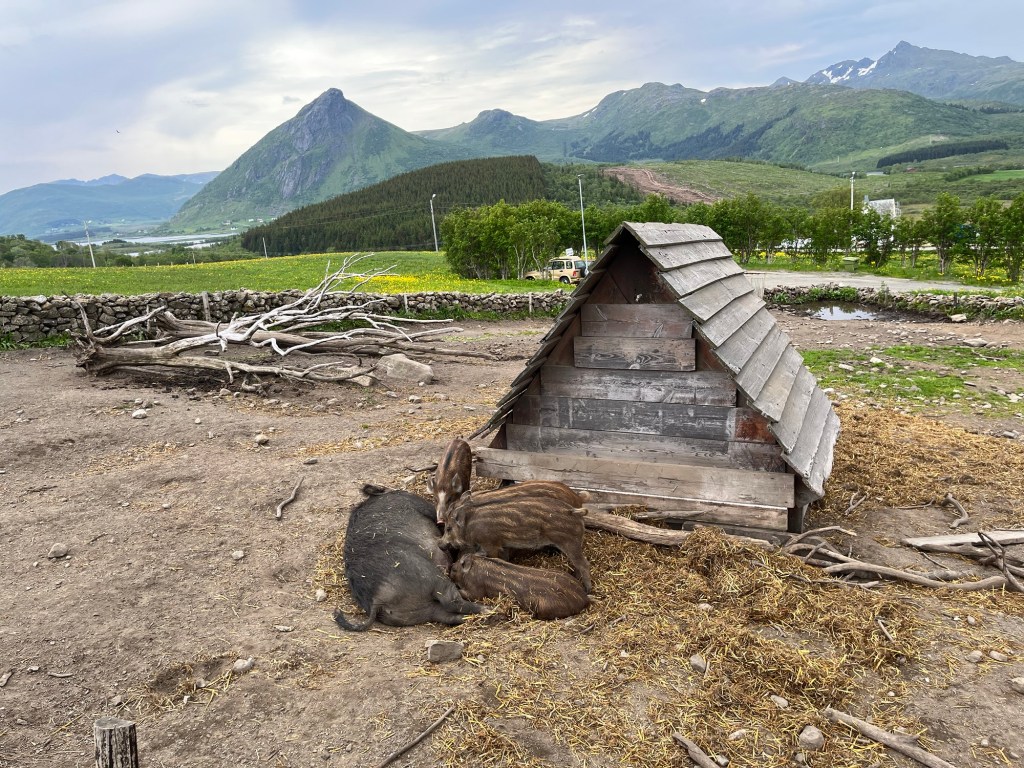
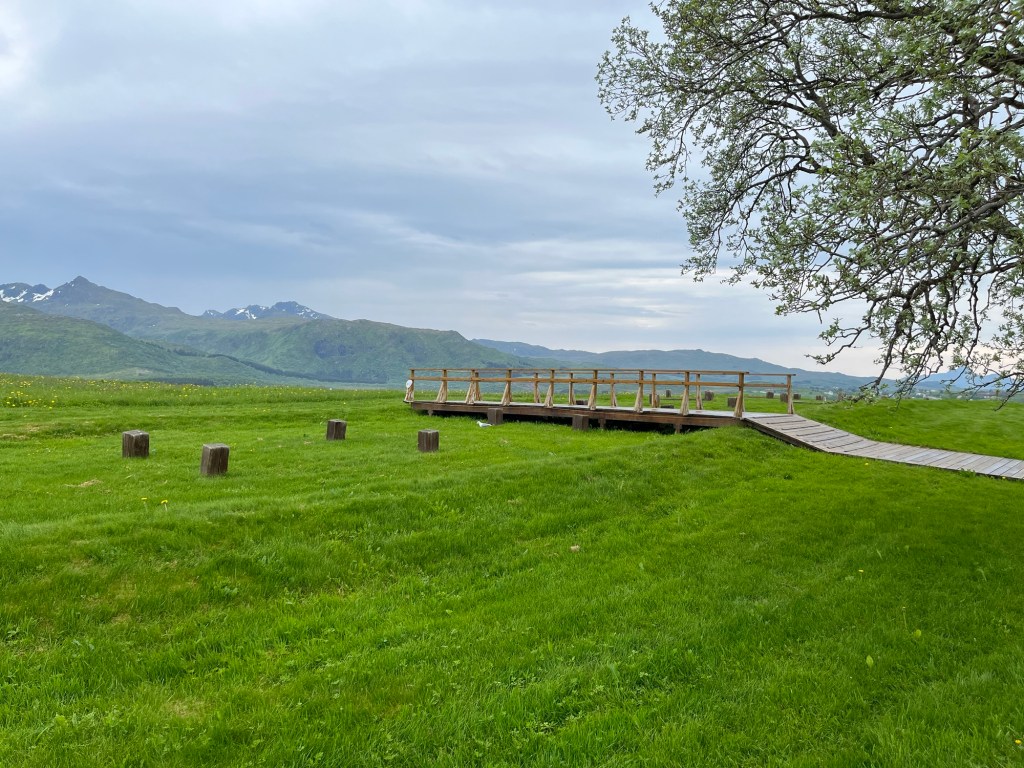
In the remains of Borg I and II wooden posts have been placed in the same place as the archaeologists found the originals. The location of the walls are still visible.
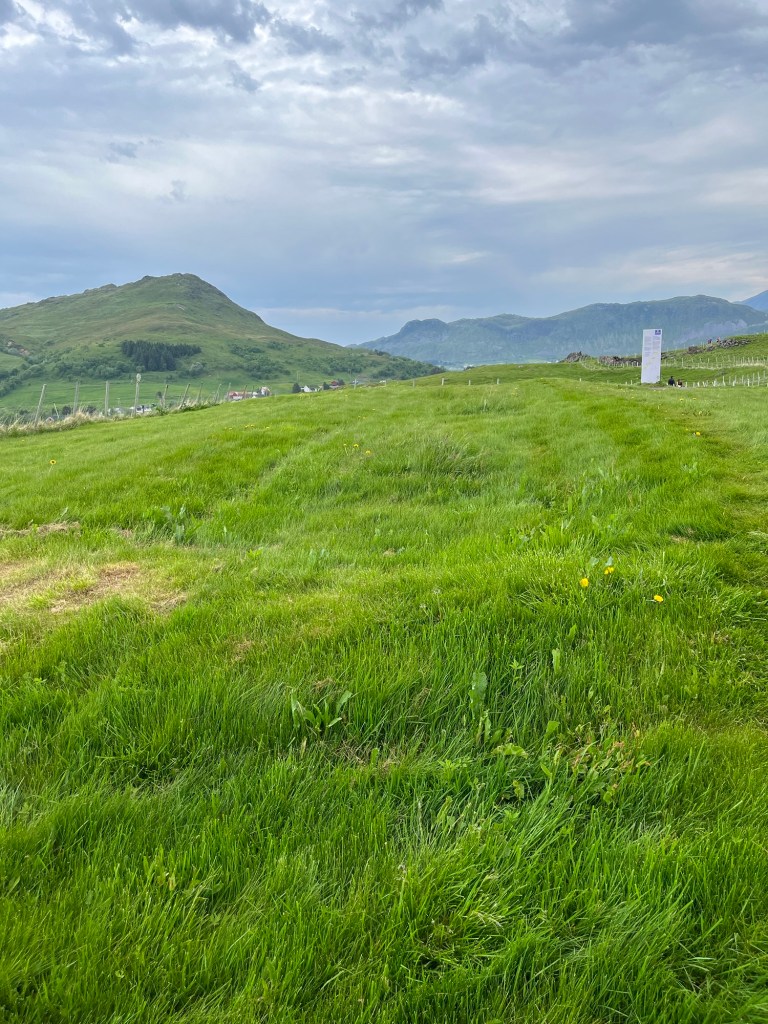
Between 1999 and 2002 a third longhouse Borg III was excavated. It was not built in the same place as Borg I and Borg II. It was in use between 1000 and 1400. It was also much more modest in size measuring 40×8 meters.

Why was the house moved when continuity was so important? I believe that it has to do with both religious and political factors. Firstly Norway had become Christian, making the hall with its religious ceremonies less important. Religious ceremonies and celebrations would be held in the church from now on. The power of the chief would also wane when Norway got strong kings that would rule. Making many leave for greener pastures in Iceland and other places.
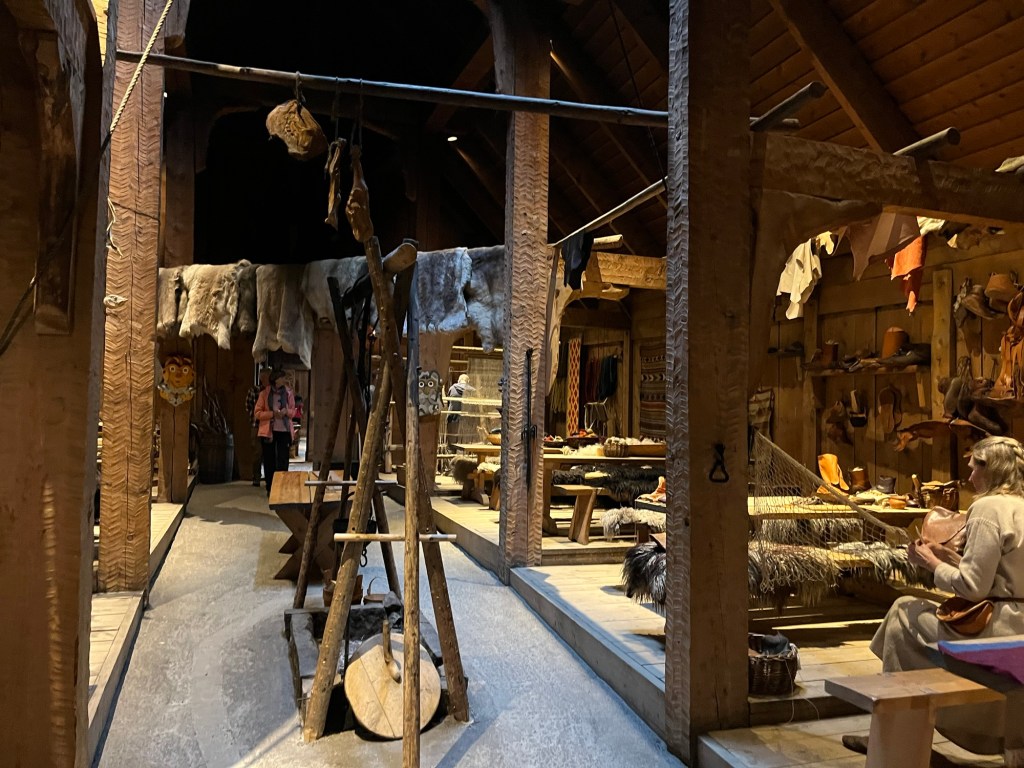
Next to the site of Borg I and II a reconstruction of the longhouse has been constructed in full scale. The building is open to visitors and reenactors will show crafts and answers any questions from visitors. They even serve Viking Age food in the longhouse cooked over a fire just outside.

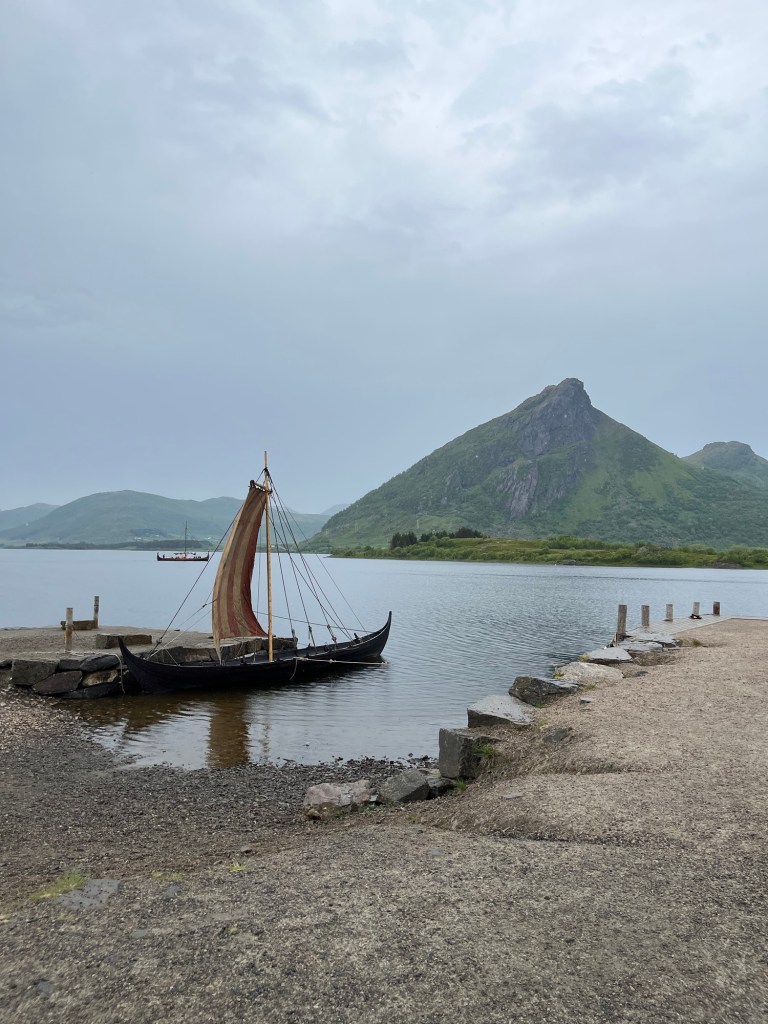
There is a trail down to the fjord where a reconstruction of the Gokstad ship is available for tours.
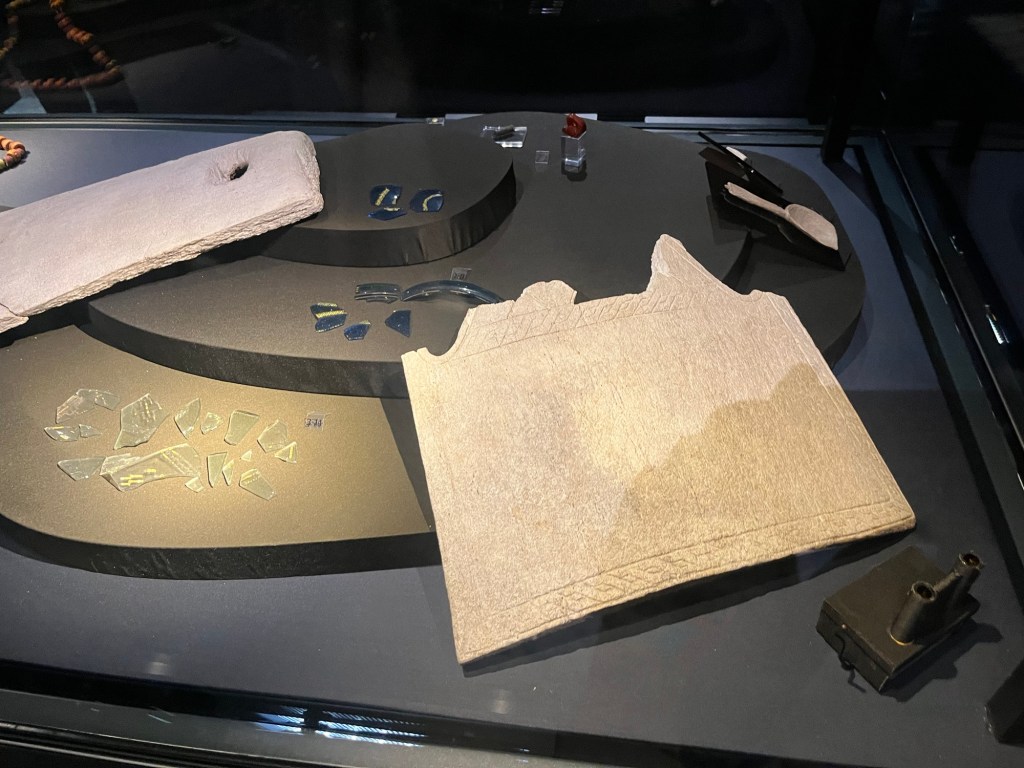
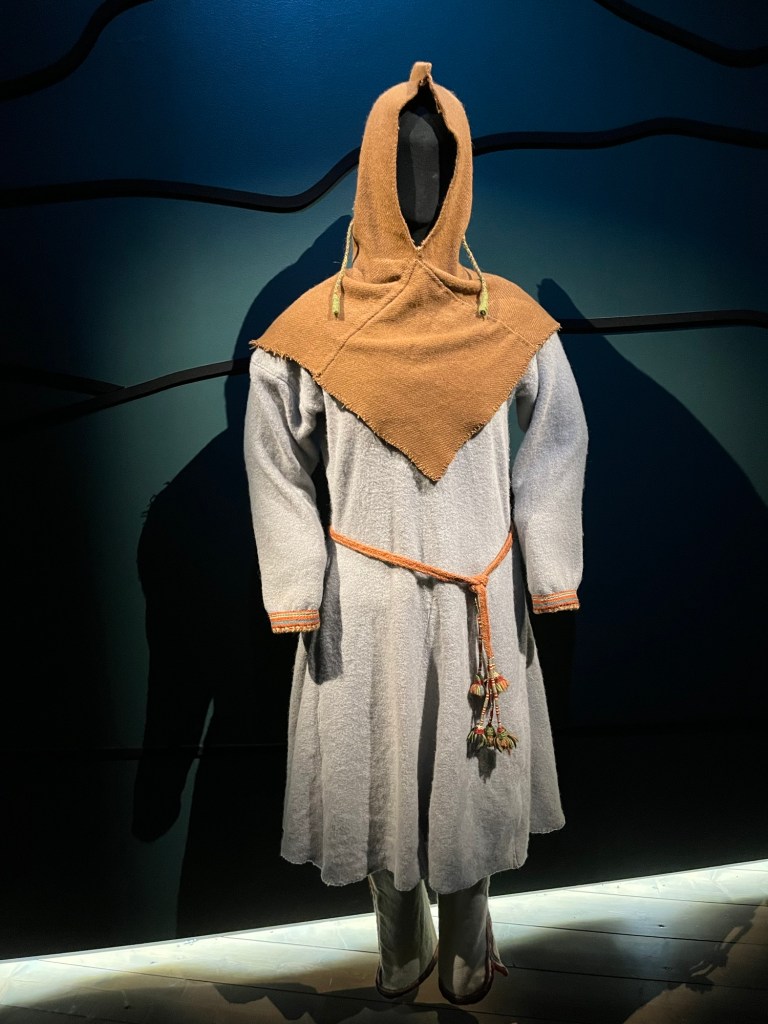
Right next to the longhouse a the museum is located with a nice installation of archeological finds from the excavations are on display as well as an audio guide installation and a film viewing.

I had a lot of fun at this place and I would really recommend a visit if you’re are traveling to Lofoten.

 Fornminnen
Lämna en kommentar