It was a windy and cold day when I traveled through the village of Rådene in Västergötland, Sweden. I decided to stop at the deserted church site there that I had observed on previous trips trough the area.
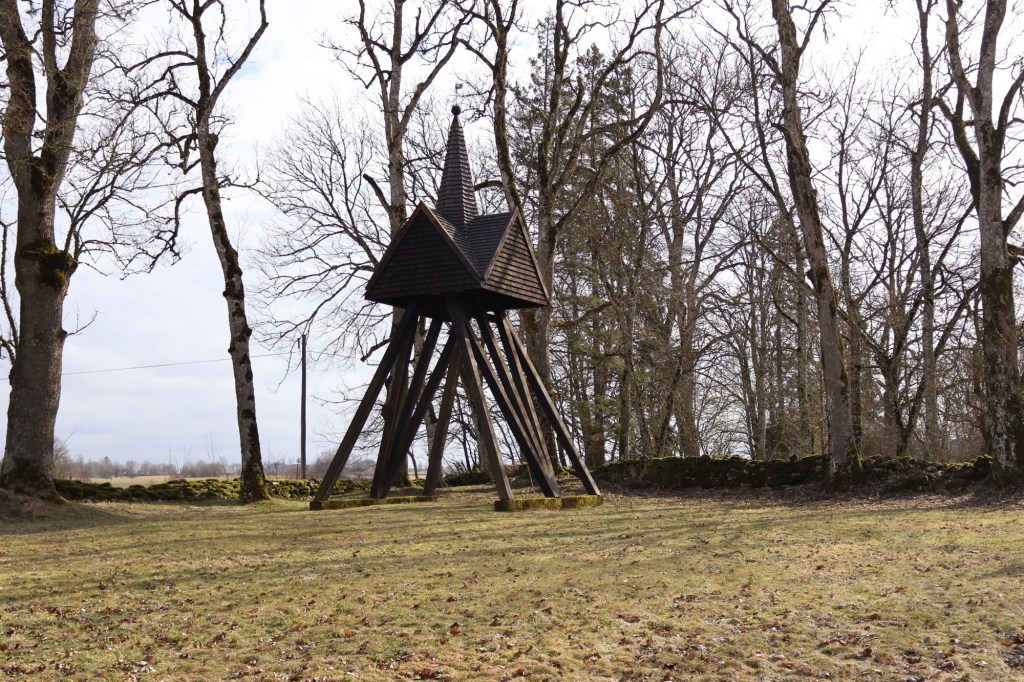
People on the countryside tends to observe you if you drive by or stop when you drive a van like me. This time is no exception and immediately up on getting out of the car I am greeted by an older gentleman walking his small dog. He thought that I might have been the new caretaker from the Swedish state church because the previous one had switched job. When I told him that I am just passing through he offered tho show me the site. He just happened to be the second generation bell-ringer in the small wooden tower built in the 1950s at the site.
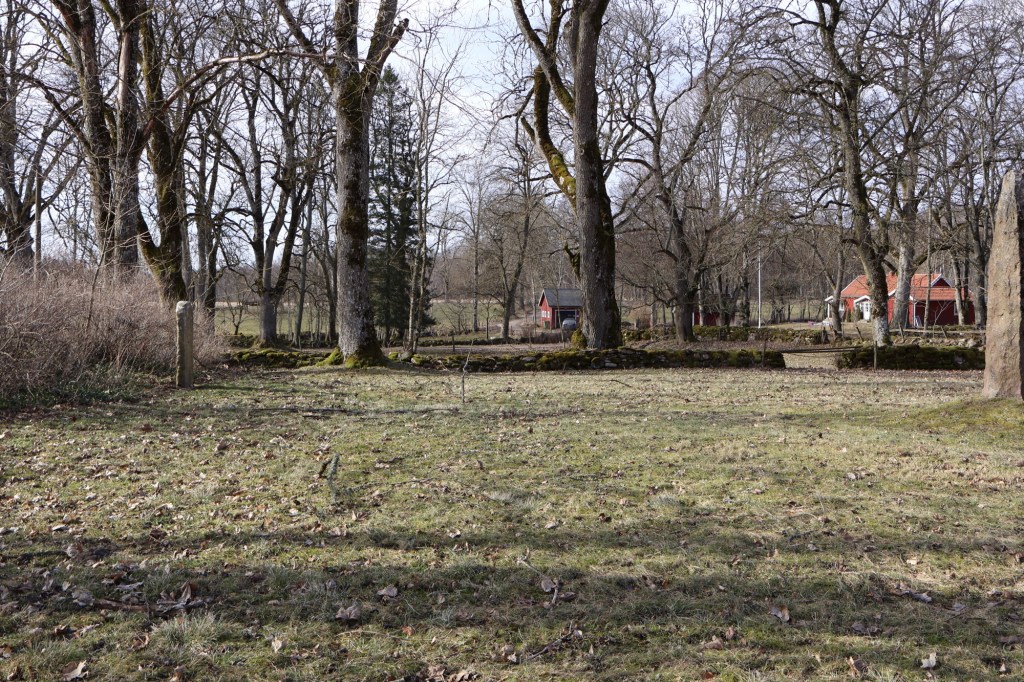
His mother had done the bell ringing every morning at 7 AM at the same time as the local children would board the school bus. His sister had taken over after her and now it was his turn. But nowadays he only does it once a year when the locals gather for the yearly sermon that are held here. The gateway into the church site was restored and the person that did the restoration apparently used almost three pallets of concrete that he poured from above to stabilize the archway.
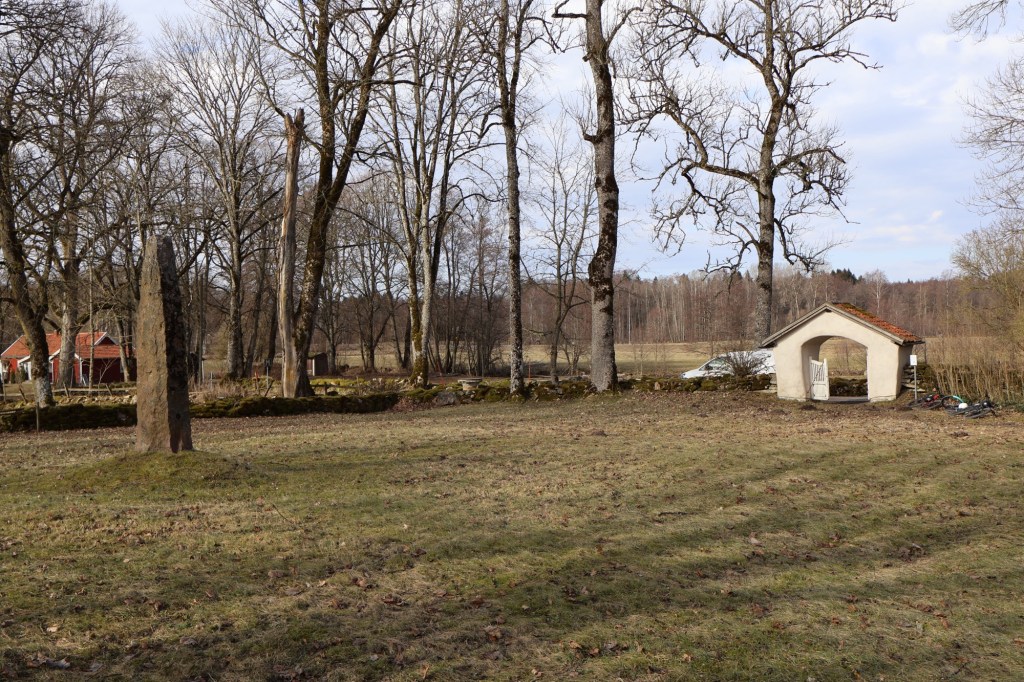
The walls around the site I was told are in danger because the old trees growing next to it are dying from disease and are moving the walls. But they are protected by the county board and cant be felled. As I am also a bit of a tree-nerd I can agree that some of the trees need to be removed.
I was also told that there are gooseberry bushes planted inside the walls that was planted there in the 19th century after advice from some expert at the time. The large stone in the middle of the site was erected by the locals as a memorial of the site’s history.

The Church that was originally built here in the 12th century and it is believed that it was built in the honor of the Irish saint Brigid of Kildare that was venerated in Västergötland in the early medieval period. This cult was probably brought here by the English missionaries that Christianized the area during the Viking Age.
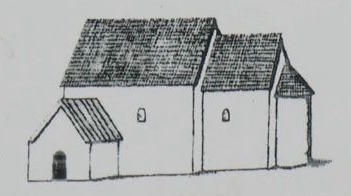
We know how the church looked like from a drawing made some time around 1670.
Inside the church there was a runic inscription on a wooden roof beam that does not survive but was written down and is registered under the name Vg 217. The inscription was as follows:
Biargi Birita. Petr ok Aki gærði kirkiu. Assurr ok Skuli ok Þorðr ok Gunnarr i Sigva[ld]staðum.
Salvage (us) Brigida. Peter and Åke made church. Assur and Skule and Tord and Gunnar in Sjogerstad (participated in the work).
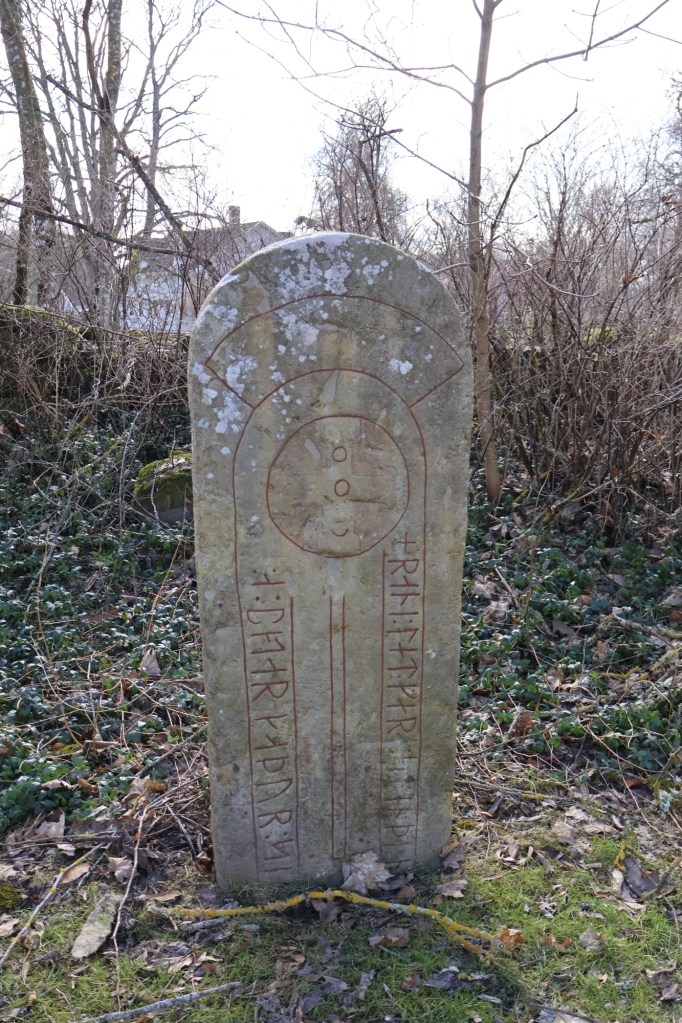
Still at the site are Ranes rune stone that was originally a gravestone in the floor of the church. Thats most likely why it is so well preserved. It is registered under the name Vg 93. The inscription as follows:
Rani let gæra stæin þenna at Petr, faður sinn.
Rane let create this stone after Peter, his father. (My own translation from Swedish to English.)
The rune stone most likely refers to the same Peter that is mentioned as the founder of the church in the other inscription. These people are members of the local magnate families. This area was at this time a very different place from today. It was here that the elite managed to amass enough funds and power to unite the kingdom’s of Västergötland and Sweden under their king. So this is where Sweden as a medieval state was born and not in Svealand that gave its name to the unified state.

Over the years the church became very rundown and the local gentleman told me that in the 1850s it was in such a bad state that the priest had to enter the church through the window.
In 1866 the locals decided to tear the church down. The same was done whit the medieval church in Sjogerstad a few kilometers away. The idea was to build a new church there to replace the two medieval churches. They wanted to reuse the stones from Rådene church in the construction of the new church, but failed in parts because the mortar between the stones was too strong.
The last parts of the church walls were later removed and according to the local gentleman they used them as fill in when the modern asphalted road was built.

https://sv.m.wikipedia.org/wiki/Fil:Rådene-fyrfotadjur-nu-i-sjogerstads-krk-t-bengt-händel.jpg
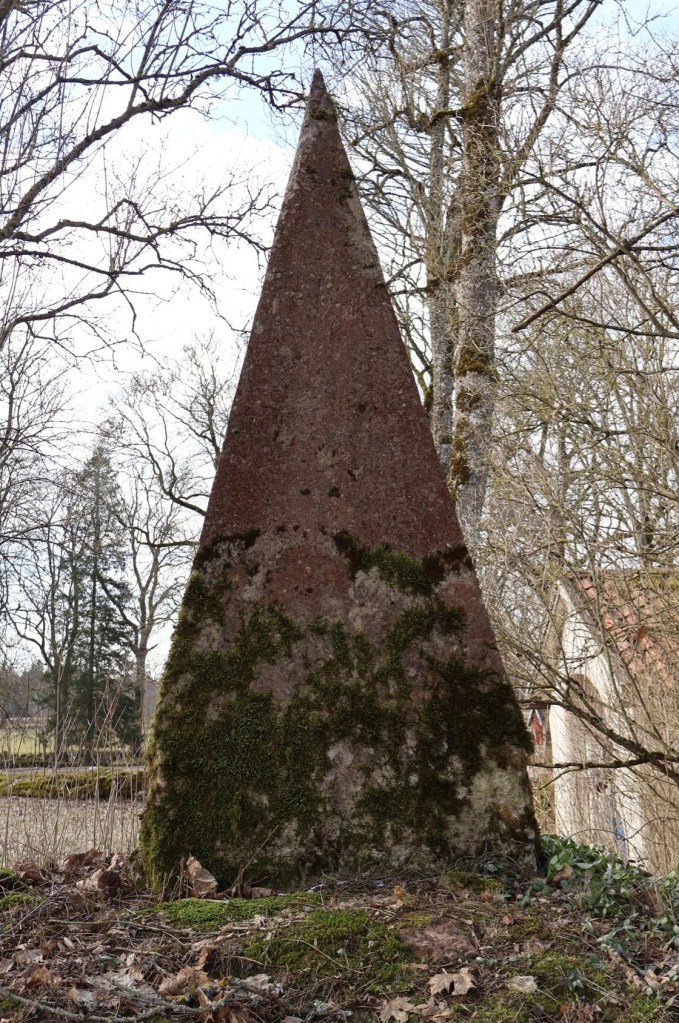
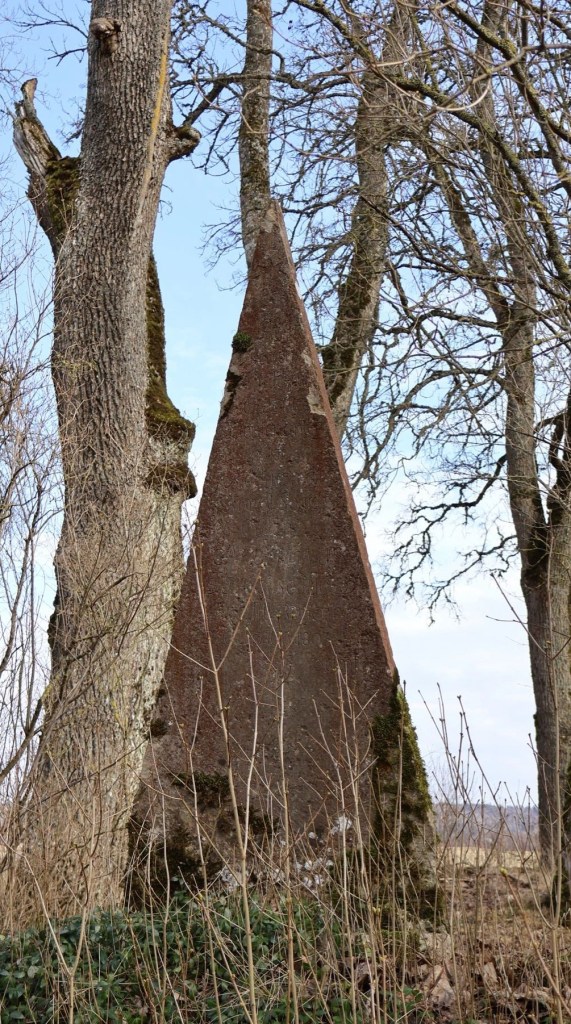
Besides two gravestones, the rune stone and the church yard wall not much is left on the site. Worth mentioning is one of the gravestones that has an unusual shape and a star inscribed on it instead of a more usual cross.
https://commons.m.wikimedia.org/wiki/File:Rådene-dopf-mitt-1100-bolumtyp.jpg#mw-jump-to-license
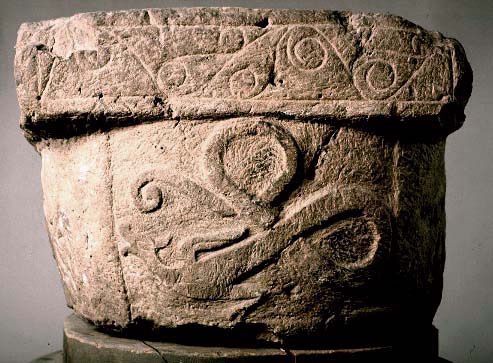
Even if not much is left of the church in its original place, some of the contents survived in the new church like a stone tympanum with two mythical beasts on it. The very beautiful baptismal font are held in the collections at the Swedish history museum in Stockholm and the 16th century altarpiece is also preserved there. Several wood carvings dated to 1660-1750 are housed in Västergötland Museum in Skara.
 Fornminnen


Lämna en kommentar