In my last post I wrote about my local rune stone, The Hovlanda Rune Stone located on the island that I live one. In this post we will stay on the island of Hammarö that is located in the northern part of lake Vänern, the largest lake in Sweden and the European Union. Hammarön is cut of from the mainland by the river delta of river Klarälven. Just next to it on the mainland and in the delta, the provincial capital of Värmland, Karlstad is located.
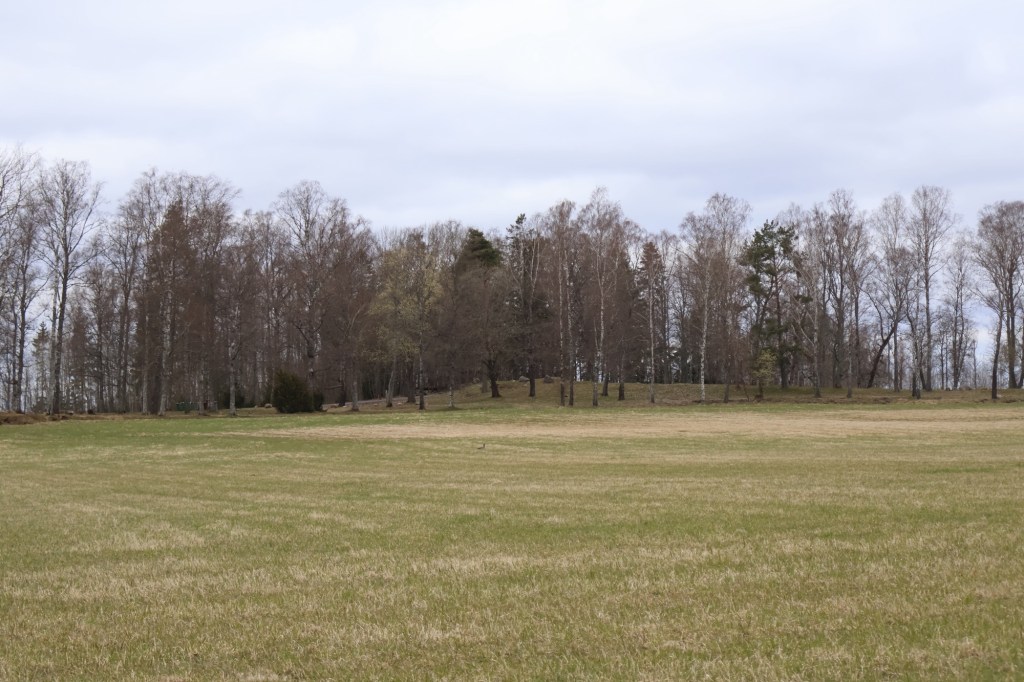
The grave field is located on a peninsula which we are told by the name Hammars Udde (hammer peninsula). If you look the word hammar in a place name dictionary it will tell you that it means cliff or rocks. This however seems unlikely to me after I listened to a very interesting online talk by Agneta Nyholm that has traced places that have the name Hammar in them. She has shown that they often occur at places that were important during the Viking Age. The exception are places where hammers have been used in industry. This is however easily ruled out by the amount of slag found on the site if that is the case.
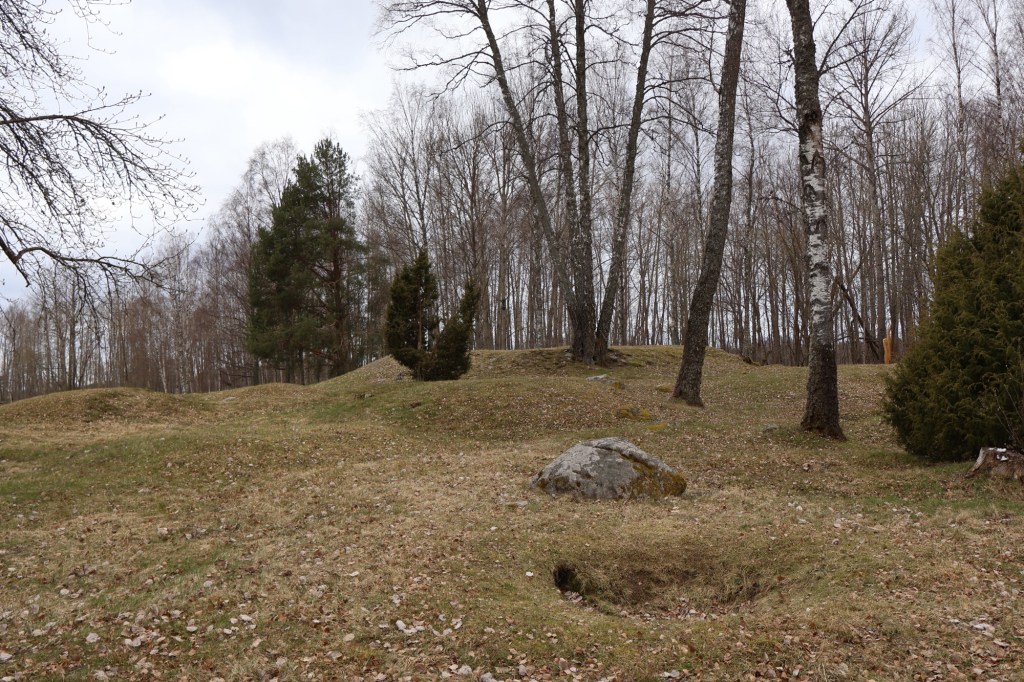
The hammer sites seems to have been or been in close proximity to places were Thing was held during this time. The word hammer would tie in with written sources that describes how a person makes a hammer sign when something is decided at the assembly.
So does this theory work for today’s site? In my opinion it is highly likely that she is correct and I will later describe why I think so.
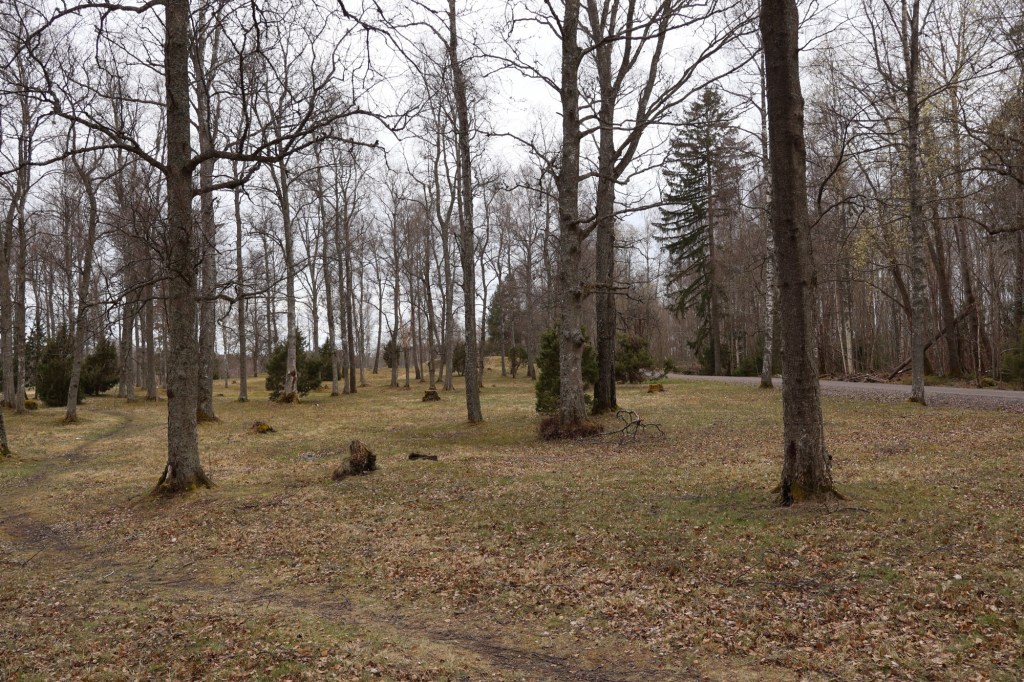
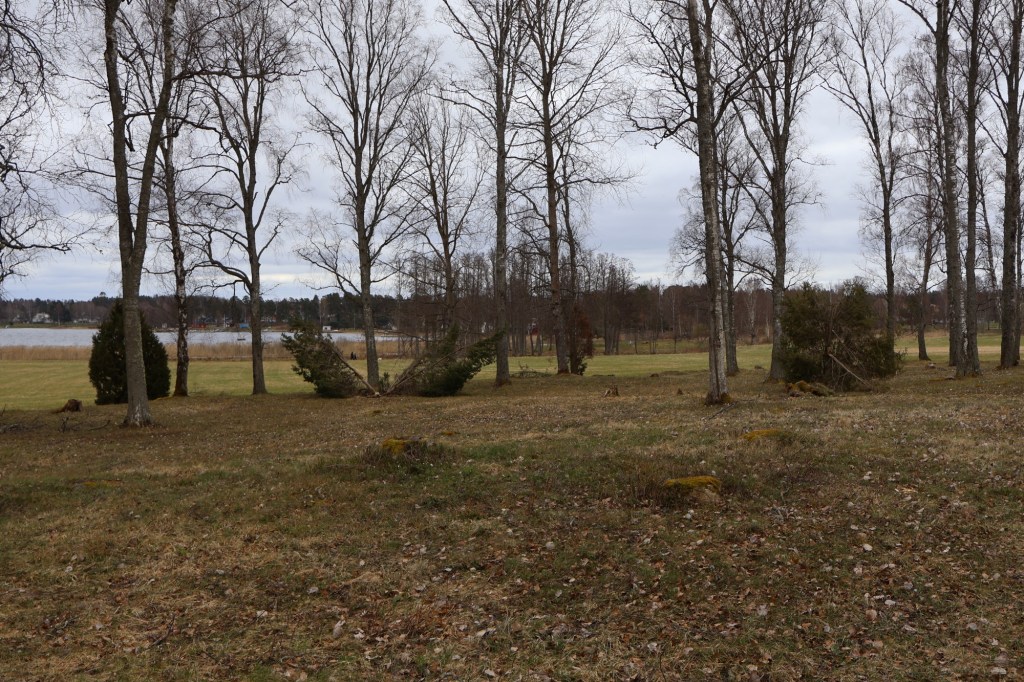
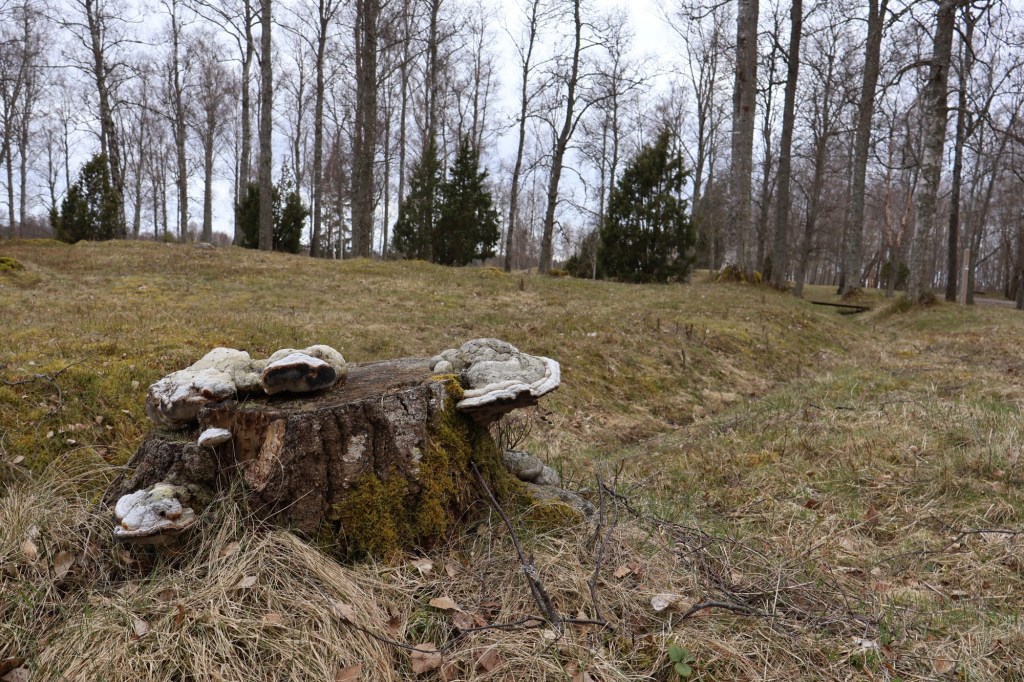
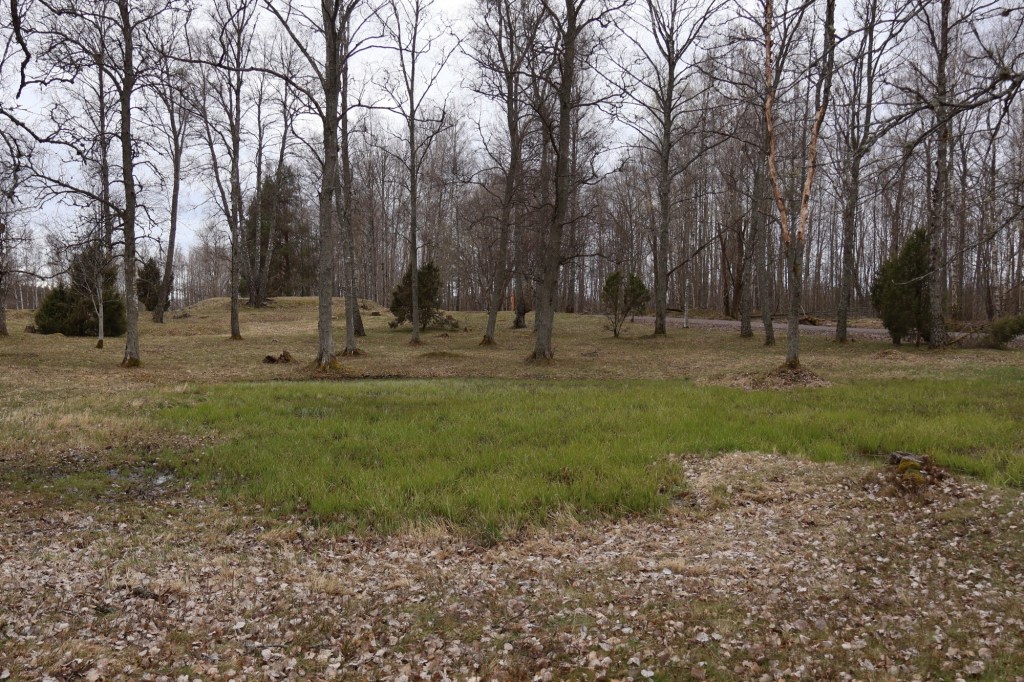
The grave field at Hammars Udde consists of 13 grave mounds and three round stone cairns and a stone circle, a so called domarring.
In 1911 archeologists examined the mounds and excavated some of them, the largest of them contained the richest grave goods. Inside they found the cremated remains of a human, a miniature sword made from bronze, a bronze ring, three pottery containers, tweezers, an iron cauldron, fragments of bone combs and glass beads.
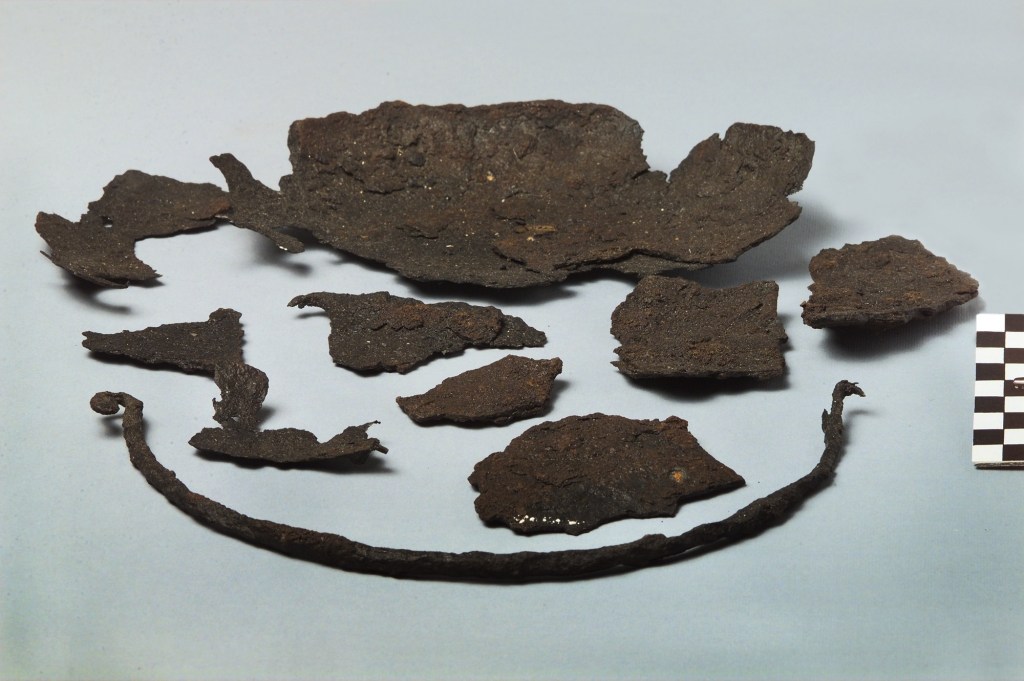
Based on the contents of the grave it is dated to the Viking Age and the burned bones most likely a woman. This is why this mound is referred to as Drottninghögen (the queen’s mound).
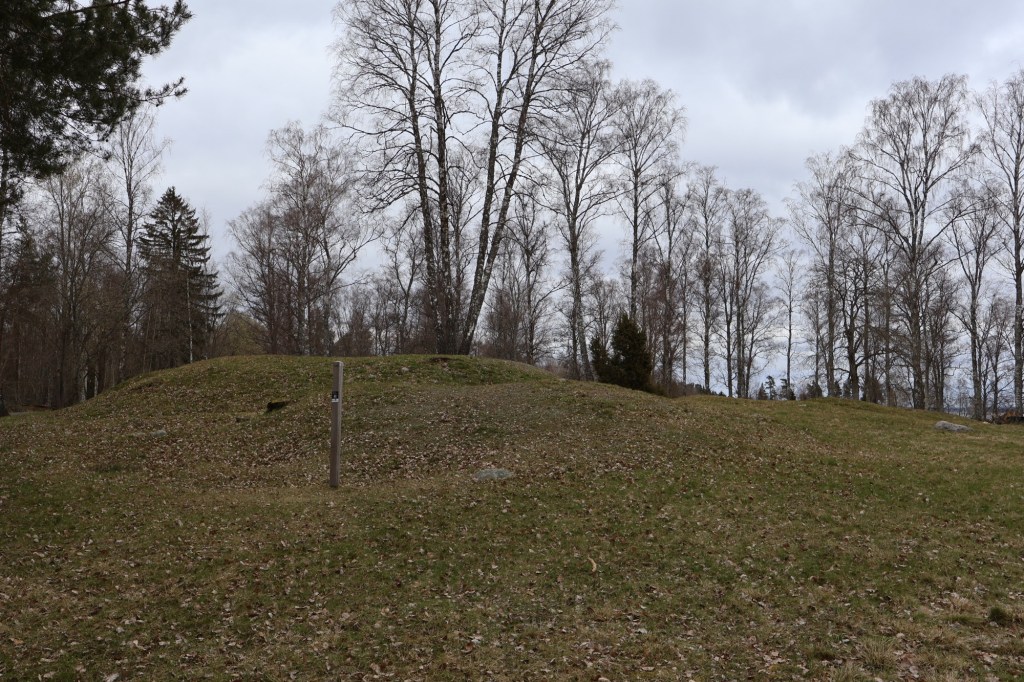
In the other mounds they found combs, pieces of iron and sharpening stones, beside charcoal and burned bones. The other graves were also dated to the Viking Age. There was however a few graves that were found to be from migration period and Vendel era so between 400-800 CE.
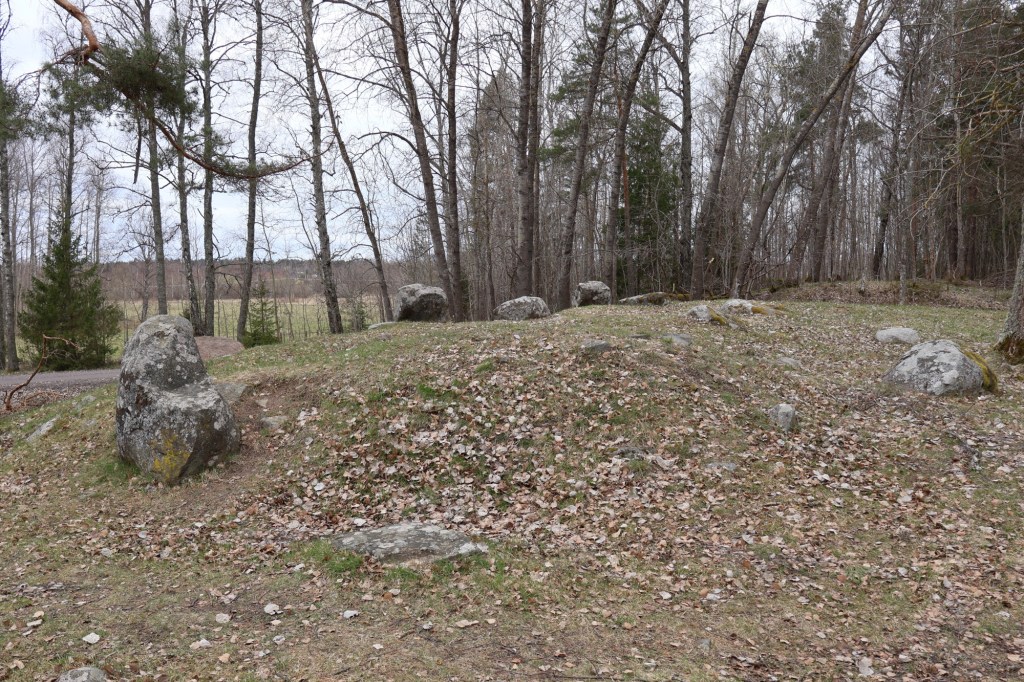
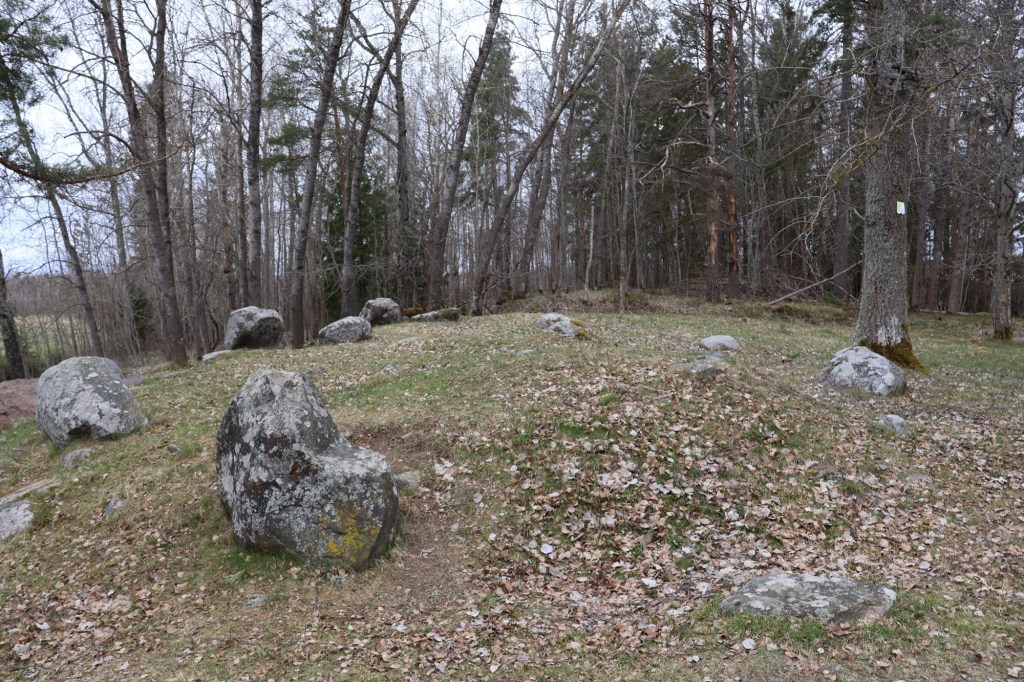
The stone circle is described in 1765 by Emanuel Ekman that notes that the stone circle consisted of 11 stones placed in a circle around a twelfth stone in the middle. Today the stone circles is heavily damaged by someone that used the hill as a source for sand. The stone circle is probably part of the earlier phase of the grave field.
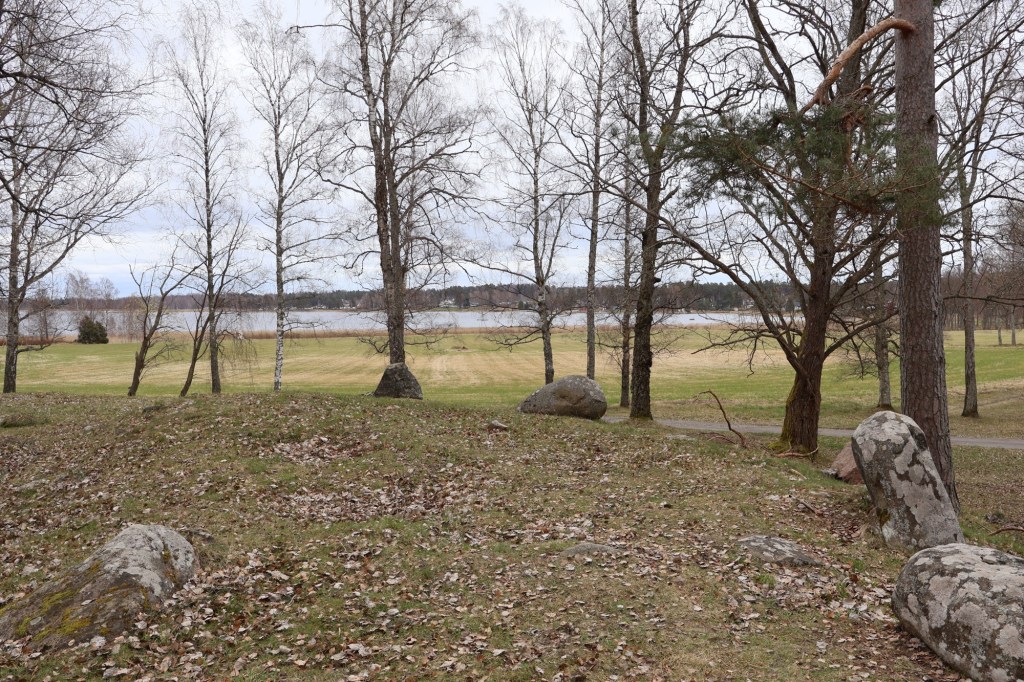
Close to it are also the three cairns that are over peated. This type of cairn is used during the late Bronze Age and early Iron Age.
Archeological excavations have also found a settlement dating to the Viking Age close to the grave field. It is obvious when you visit this place why the graves are located where they are. The location on high ground makes them clearly visible from the water of the bay below. As to make a strong statement to anyone passing by on their way to the river mouth about to who these lands belonged to.
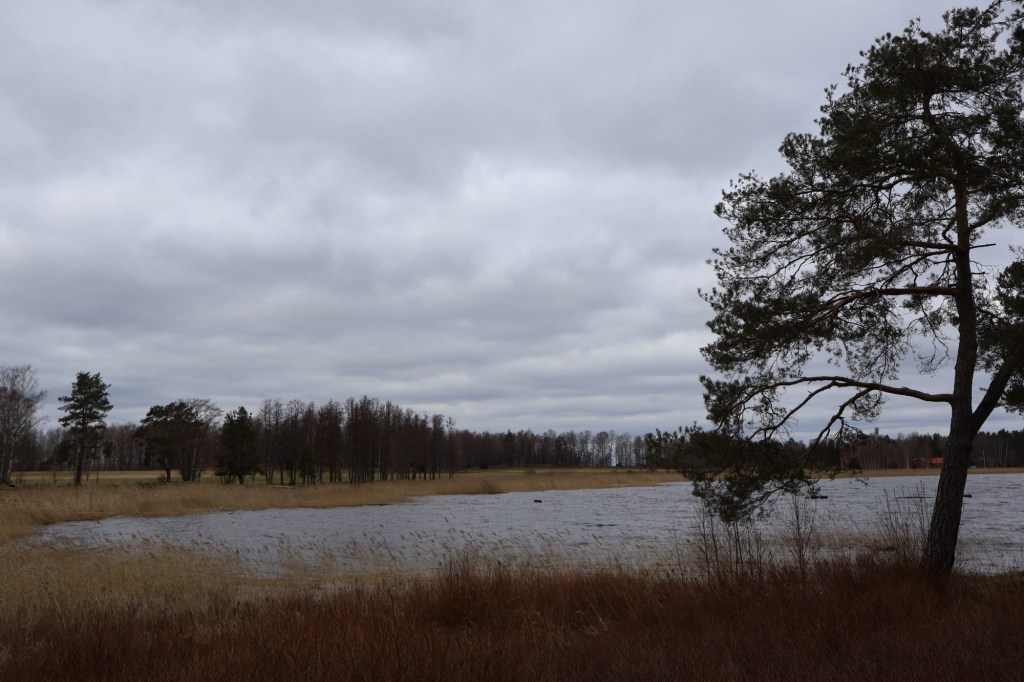
The river of Klarälven was during the Viking Age a important transportation route for iron and other forest products that was produced on a almost industrial scale for trade in the northern parts of Värmland. Whoever controlled the river mouths, controlled this trade.
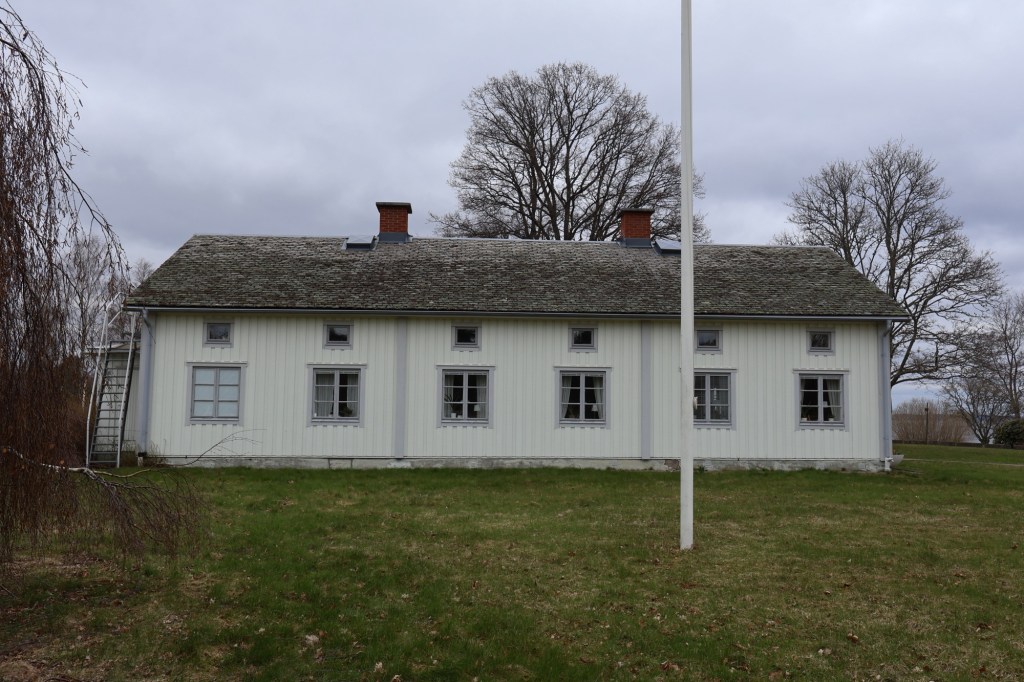
Hammars gård (farm) is the farm where the people that owned the grave field lived.
In 1177 according to his own written accounts a man called Sverre Sigurdsson visited Hammar Gård. He was born on the Faroe Islands and claimed to be the natural born son of the Norwegian king Sigurd Munn. He had travelled to Hammar Gård because his half sister and daughter of the now dead king lived there.
Her name was Cecilia and she was married to the lagman (Lawman) Folkvidr and Sverre had travelled there to get his half sister to acknowledge him as her brother. She did and he was allowed to stay.
In the spring he was joined by a group of men that are called Birkebeinarna that had previously served his father and now were looking for a new leader. Together they left for Norway to win the throne through a civil war. He was hailed as King of Norway in 1184.
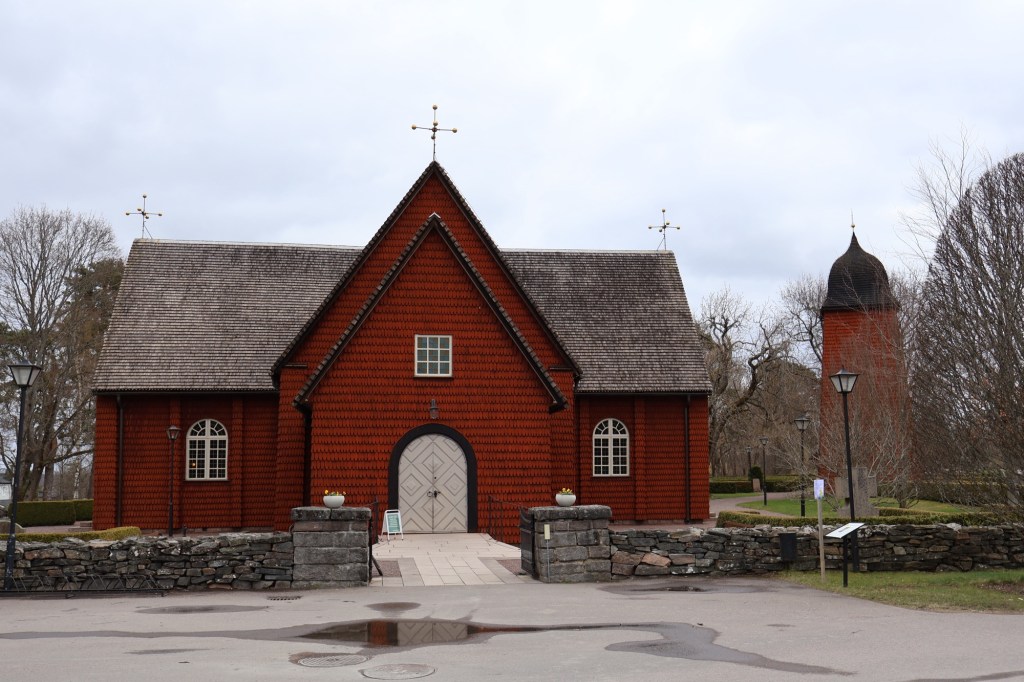
In 1347 the Swedish and Norwegian King Magnus Eriksson visited Hammar gård and stayed there as a guest of his cousin Jon Havtorsson and the half sister Birgitta Knutsdotter. At his visit he attended church in Hammarö Church that had been constructed on Hammar Gård. Outside the church he would decide in different matters of law.
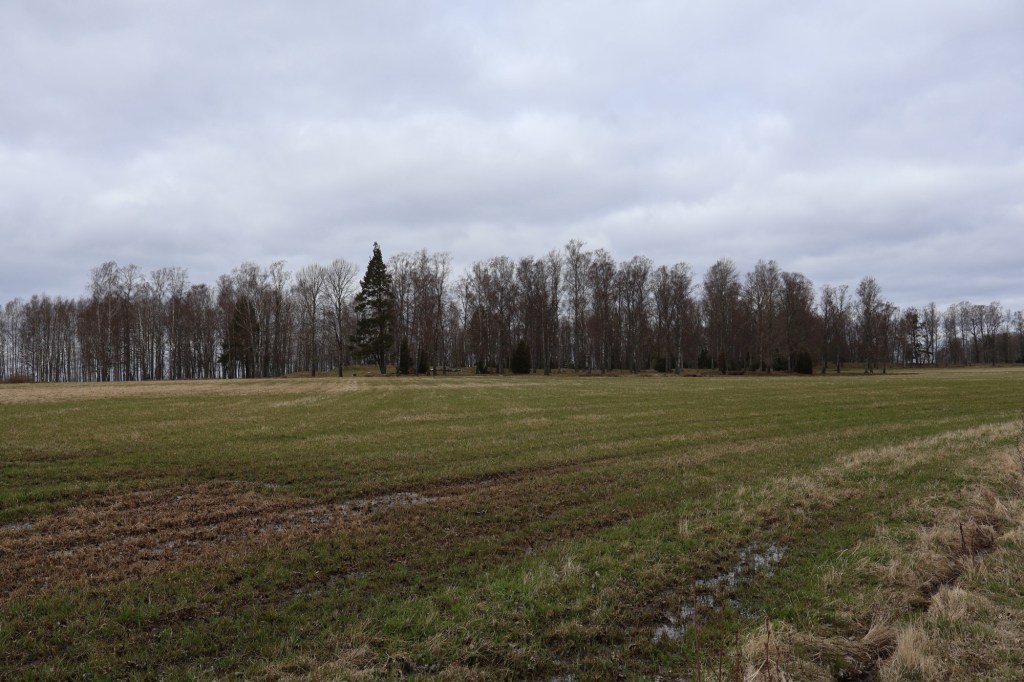
One reason for his visit was that he had given away the rights to the Salmon fishing in river Klarälven to four different monasteries in Västergötland, something that I assume was not popular among the people in Värmland.
The main building at Hammarö Gård that we can see today was built in 1828.
The church was originally a stave church that was dated with dendrochronoligy to around 1250. Most of what we see today was however built in 1740.
So based on what we now know is it likely that Hammar Udde is the site where people held Thing during the Viking Age? It certainly was important enough to be such a place. Especially as king Magnus chose to judge legal matters at the church here.
In the sources about King Sverre it is said that he was the guest of Lagman Folkvidr. The title of Lagman was a very important title at this time. He was the person that knew the law that was orally transferred and would lead the Thing. So it is very likely that he would live close to the place of the Thing.
What complicates things are that the island in the river delta that today is central Karlstad is known as Tingvalla and it is mentioned as early as 13th century under the name Thingwalla which means that it was here they would hold Thing, at least at that time.
It is in my opinion possible that the Thing was held at Hammar Udde at first but as time went on it was moved to Thingwalla which is easier to access for people traveling by land.
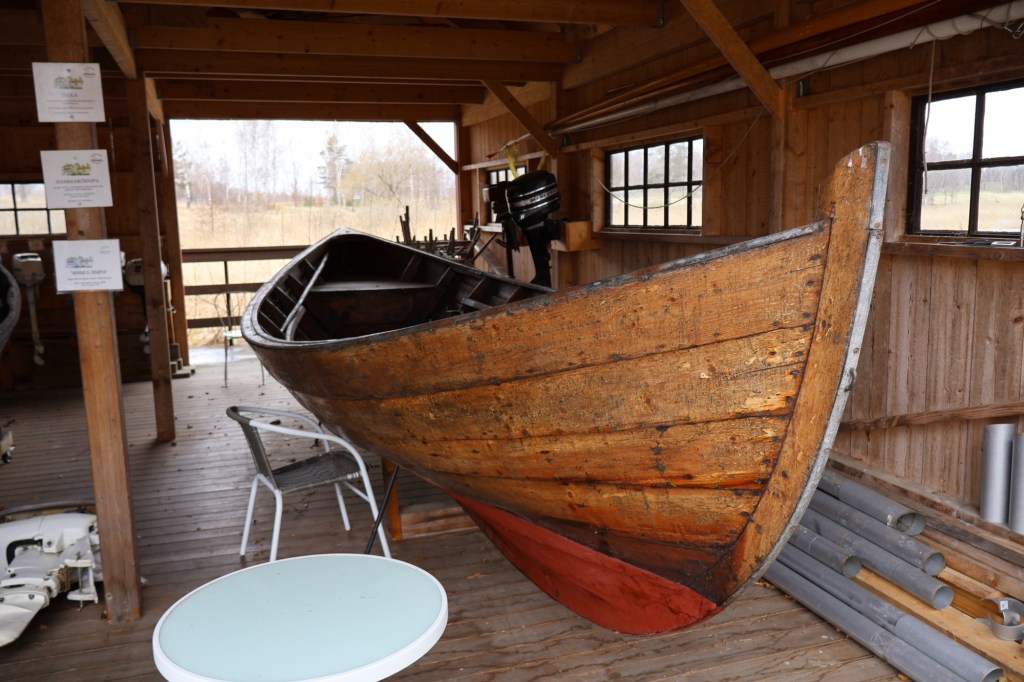
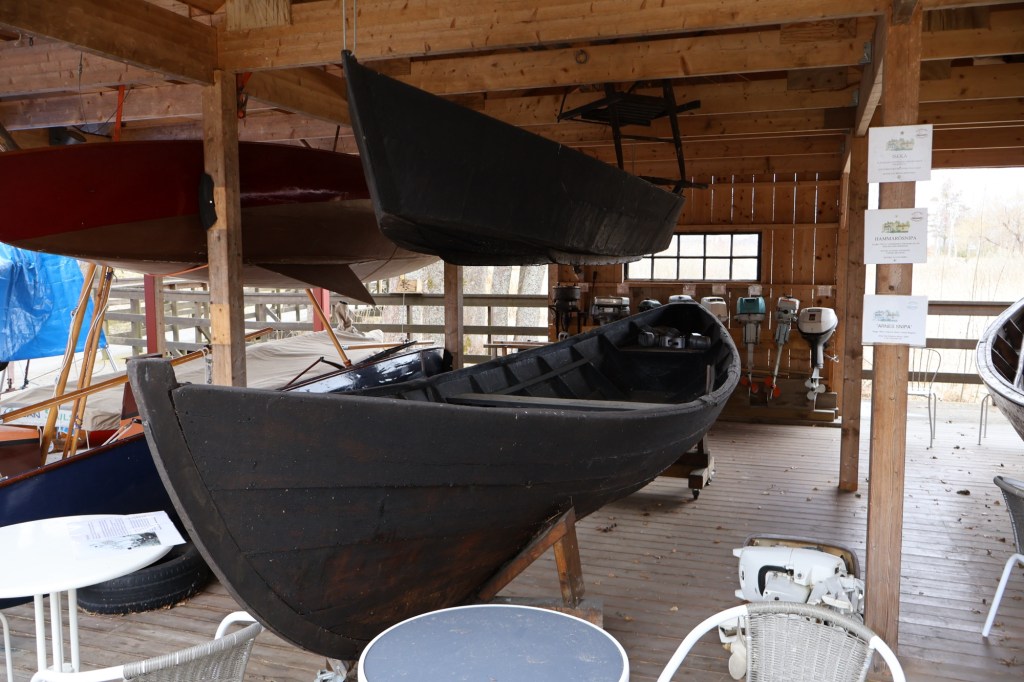
If you plan on visiting Hammars Udde you shouldn’t miss the small museum there. It is called Skärgårds Museet and it shows the life of the fishermen that lived in the archipelago, with a great collection of old fishing equipment and boats. Even if the museum is closed you can see the boats around the museum.

 Fornminnen
Lämna en kommentar