Rönnerum is located on the Swedish island of Öland in the Baltic Sea, halfway between the towns of Borgholm and Färjestaden.

You can hike here on a trail that also connects with Odens Flisor from my last post and the well known Iron Age ring fort Ismantorp.
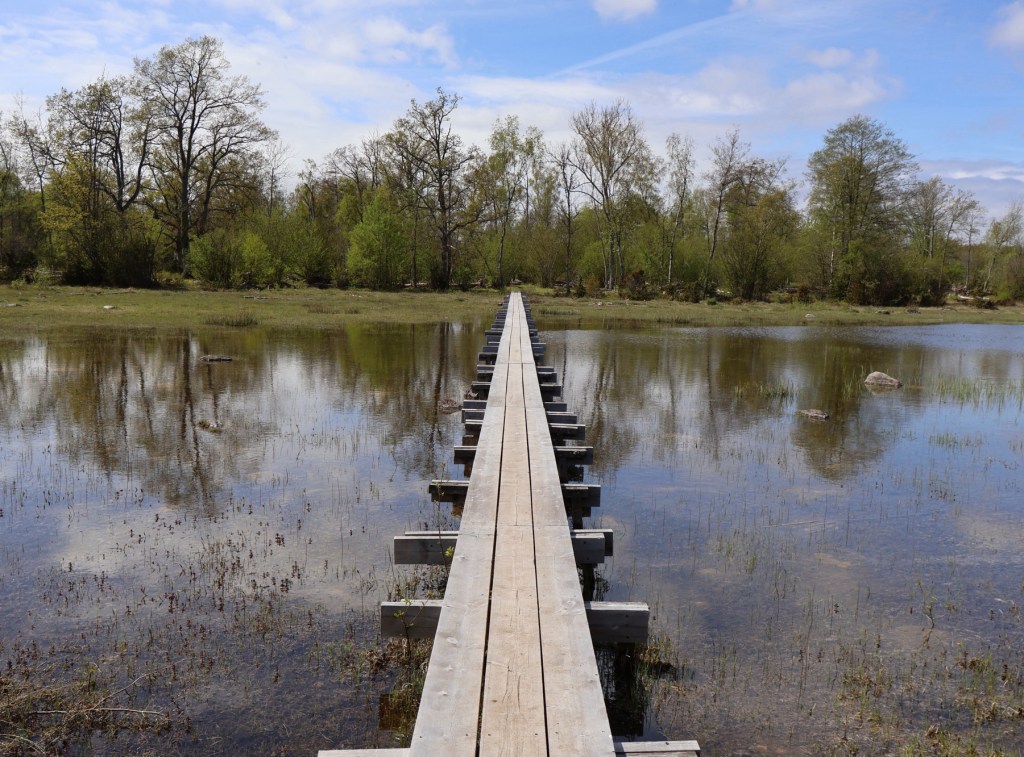
I chose however to drive there in my van because I had so much on my travel itinerary and it is easy to get there via a small road.
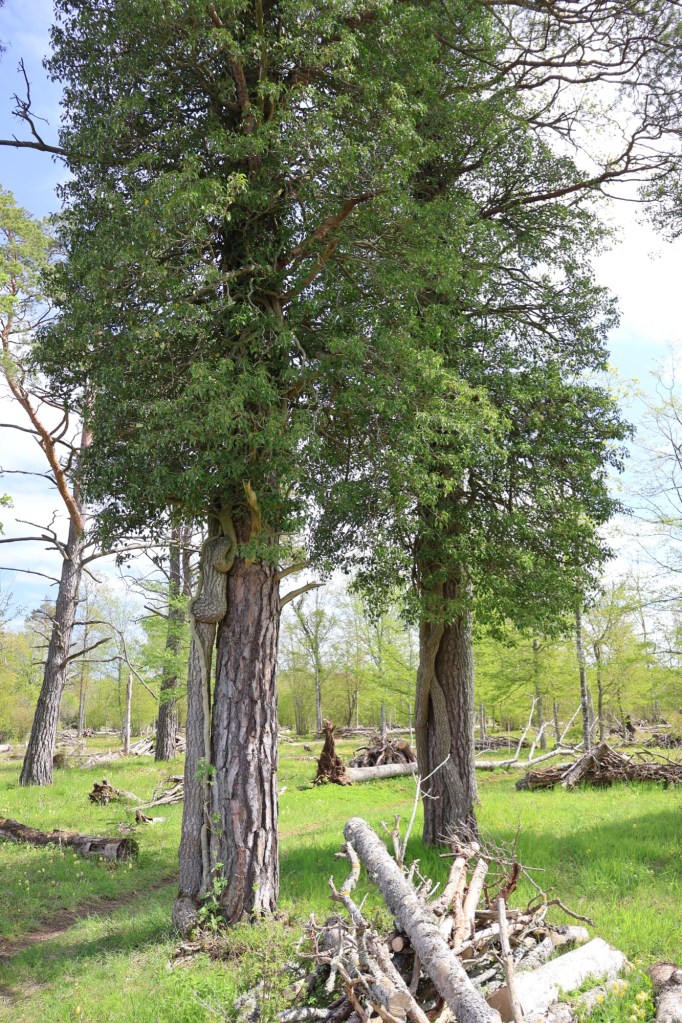
Well there at the nature reserve of Rönnerum-Abbantorp it’s just a short walk for a few minutes to the ancient village.

The ancient village is dated from year 200 CE to sometime during 500 CE when people for some reason moved.
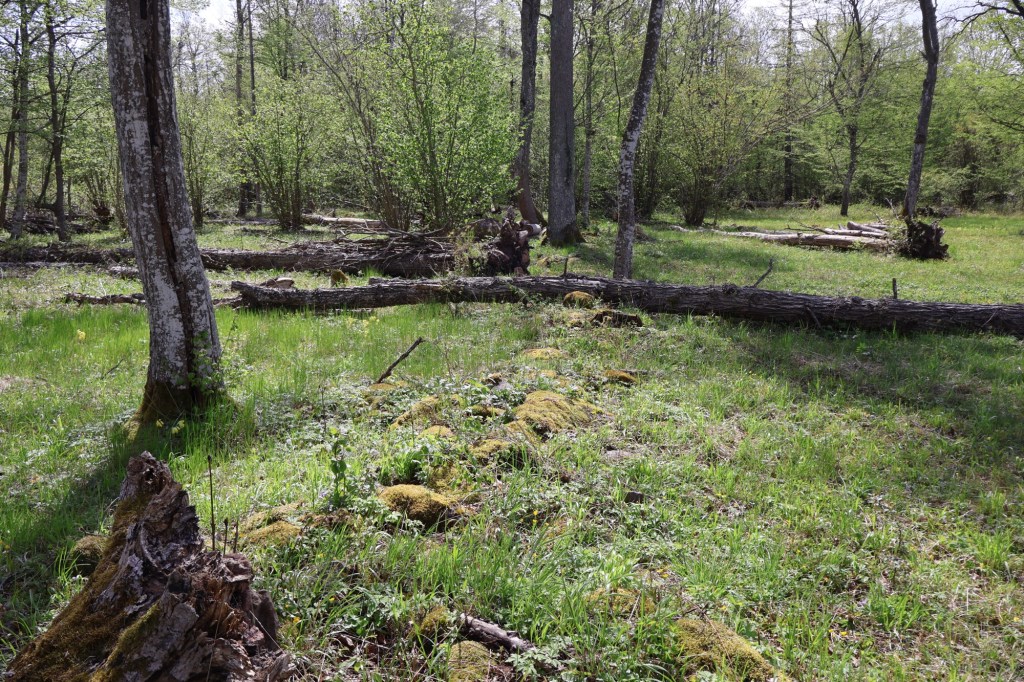
Öland is unique as the island has several Iron Age villages that are still visible today using only the naked eye.

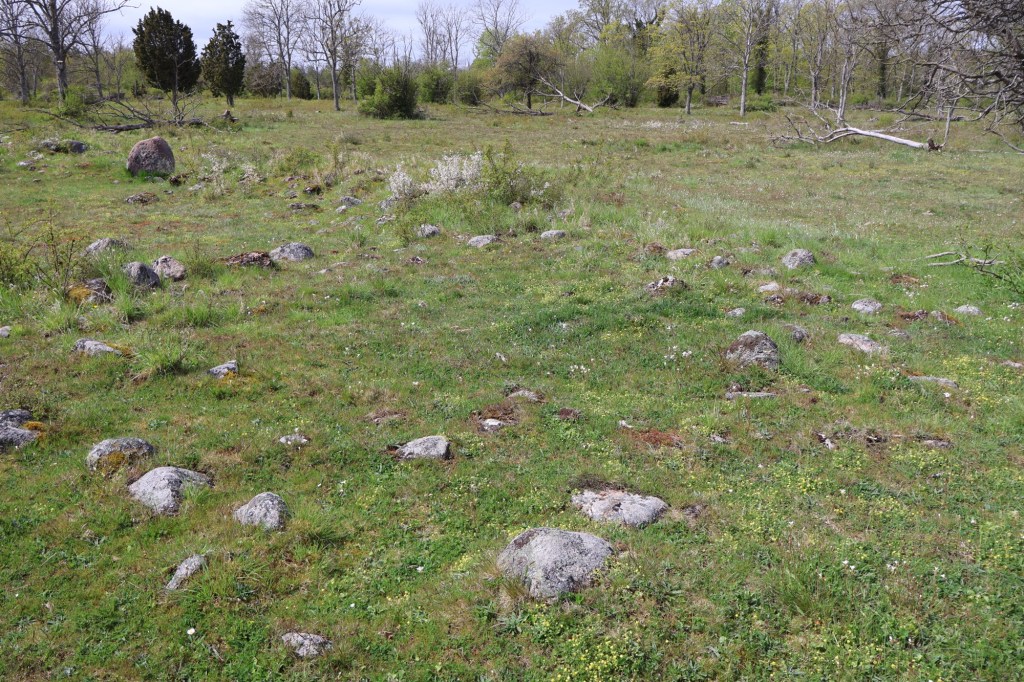
So what is visible from the village today is the foundation of 10 houses. Seven of the houses are organized in to two farms in the southern part of the area that measures 300 x 400 meters in total. The other three houses make up a farm in the northern section. In the surrounding areas there are eight additional house foundations.
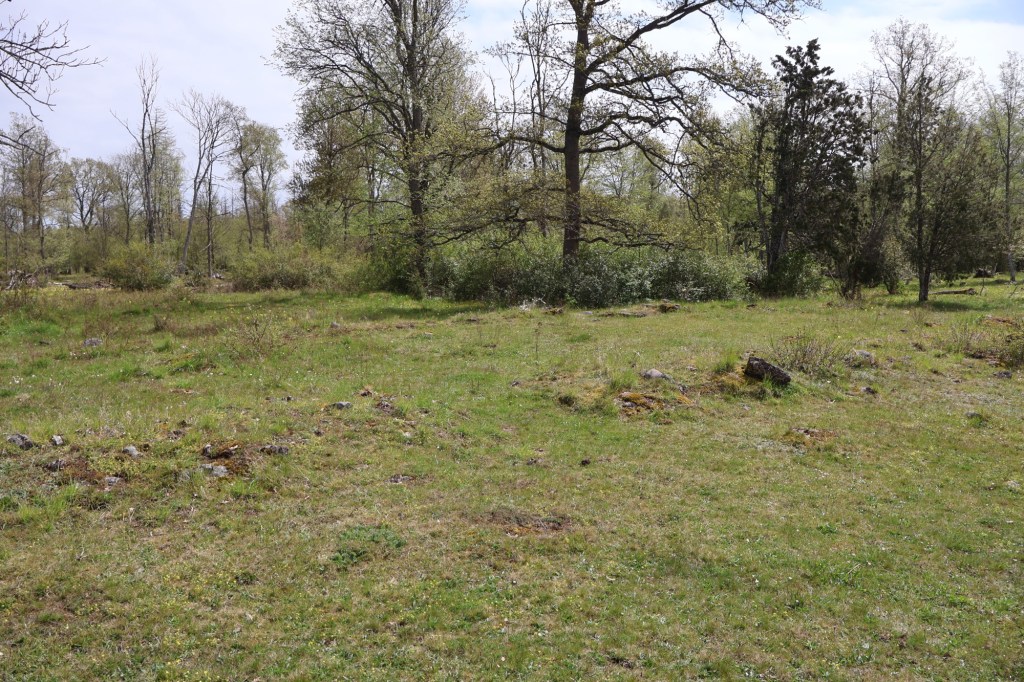
The houses are between 8 and 50 meters long. The longest house had a wall dividing it into two rooms. Besides the foundations of houses there are also long walls of stones that used to be enclosures for animals kept by the inhabitants in the village.

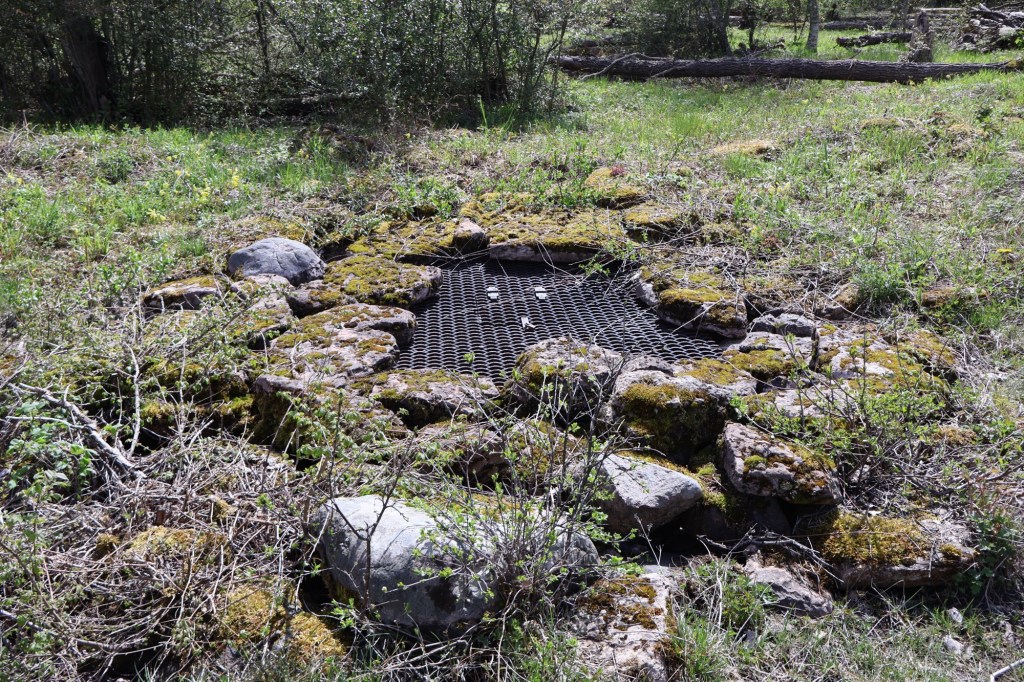
There is also a well just to the east of the village that is still filled with water. Leading to this well are two walls that form a kind of street between them.
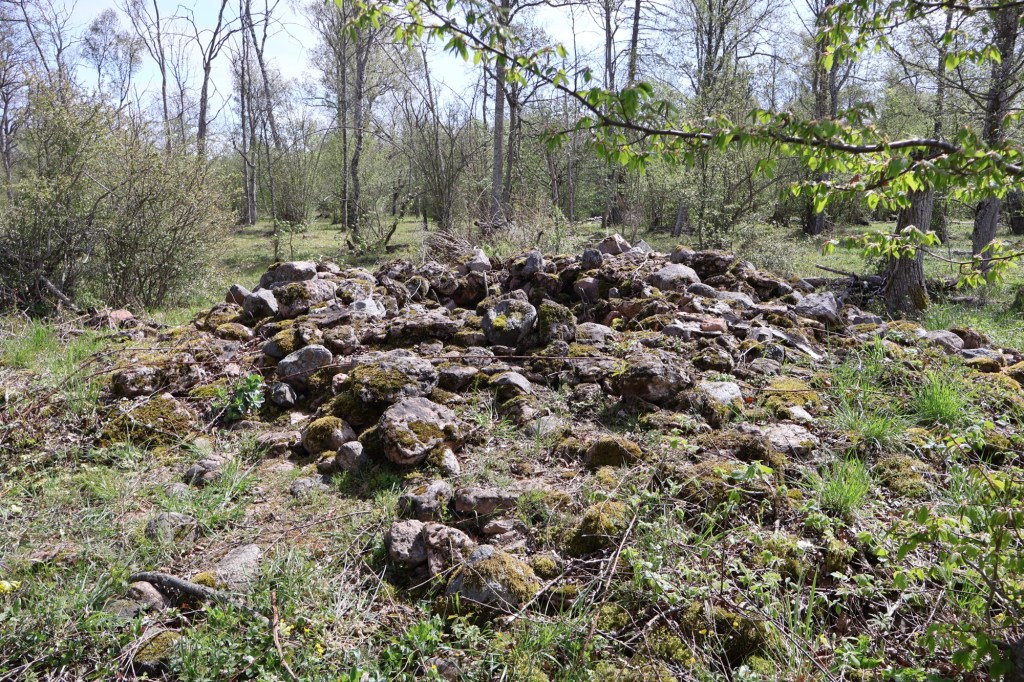
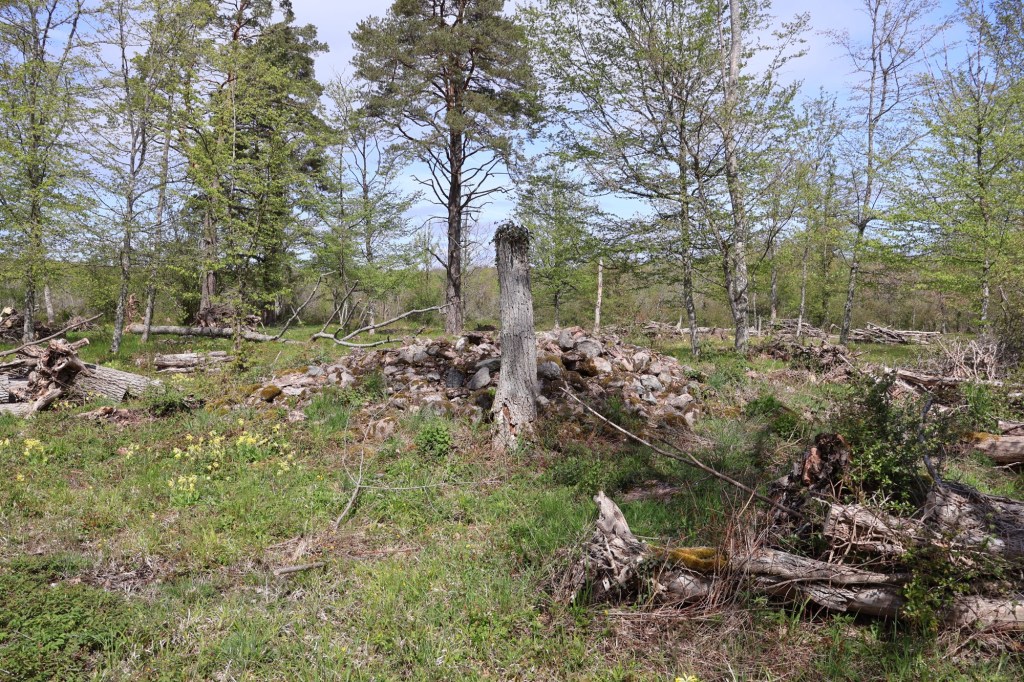
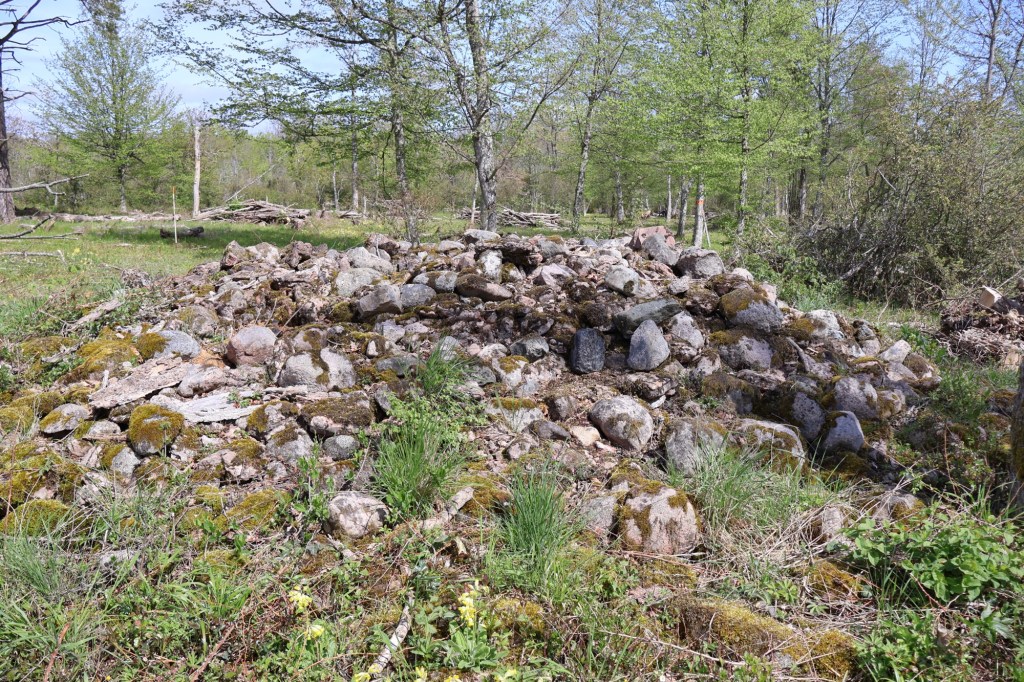
Around the village there are several piles of stones that the villagers created to dump the stones that they removed from the ground while cultivating it.
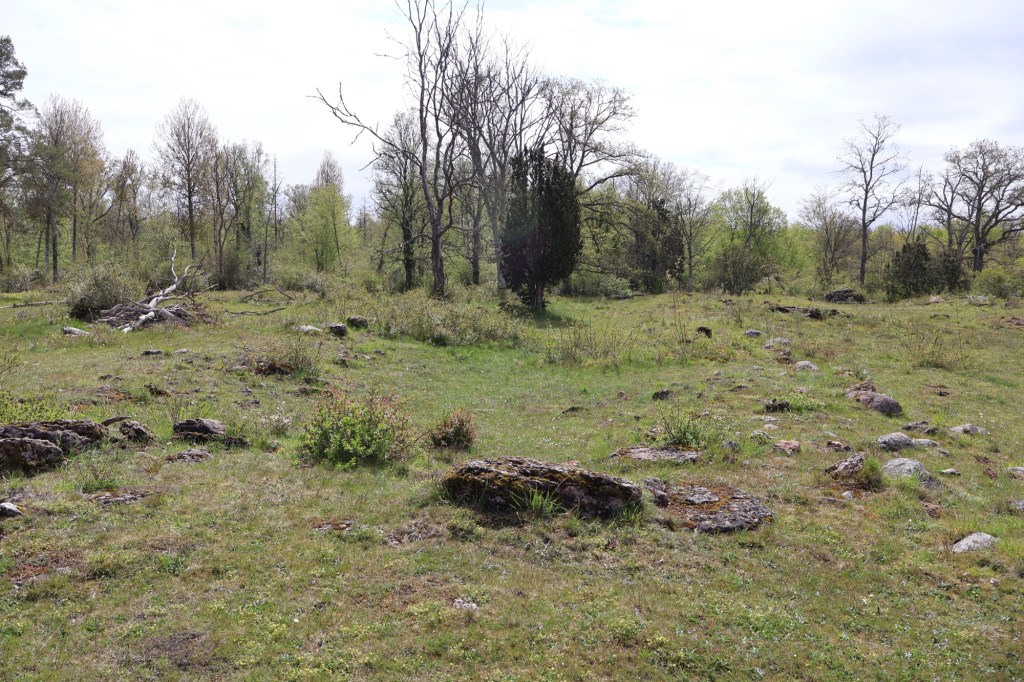
Besides the village there is also a grave field close by where the villagers placed their dead. It is located to the south and contains around 80-100 graves. The graves are round and square cairns.

In 1928 one of the houses was excavated by archaeologists. The house measured 8 x 22 meters on the outside. Inside there were six post holes containing rocks forming two lines with a distance of one meter from the walls.
The posts held up the roof that was most likely thatched or covered in turf. The door was located in the western wall which was one of the longer sides.
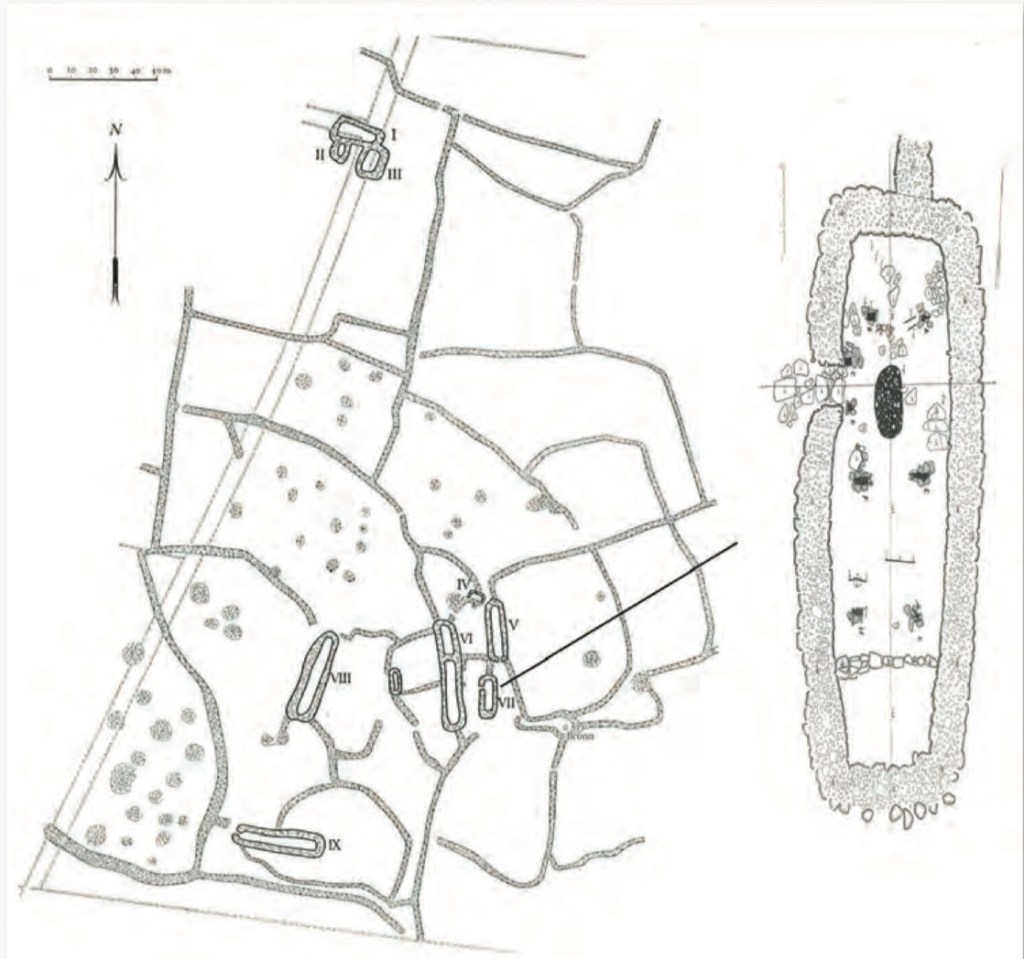
Outside the door there was a courtyard between the houses. On the inside of the door there was an oval fire pit.
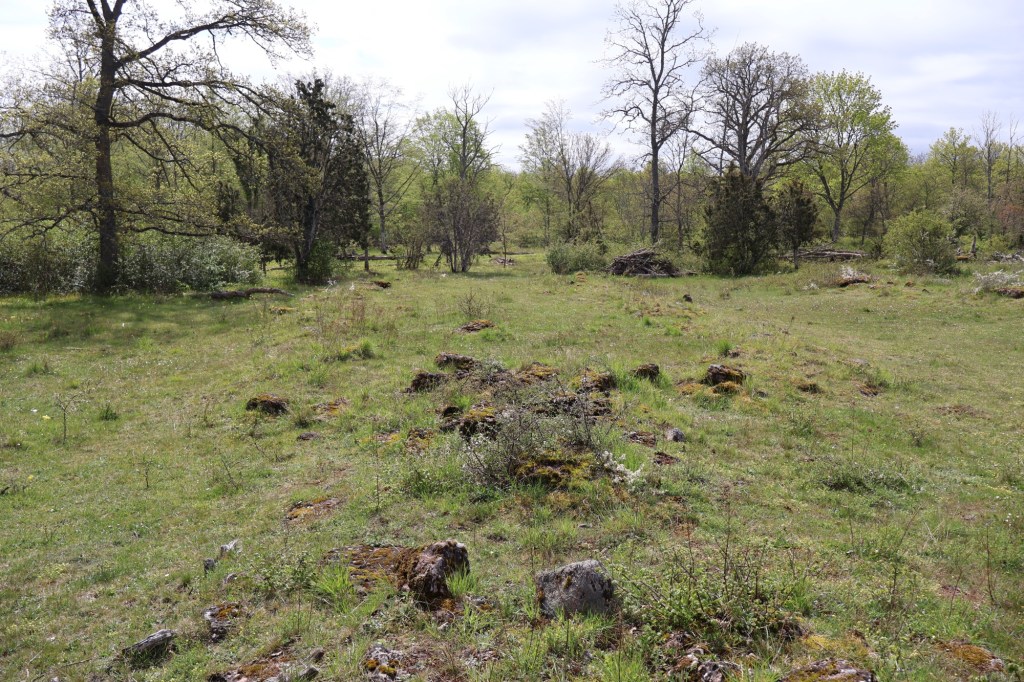
The floor was made from the stomped natural sand floor. The archeologists found traces of every day life in the form of animal bones, clay shards, weaving weights and even some glass shards.

It is a possibility that the house was cleaned out before being abandoned, probably because they moved somewhere else.
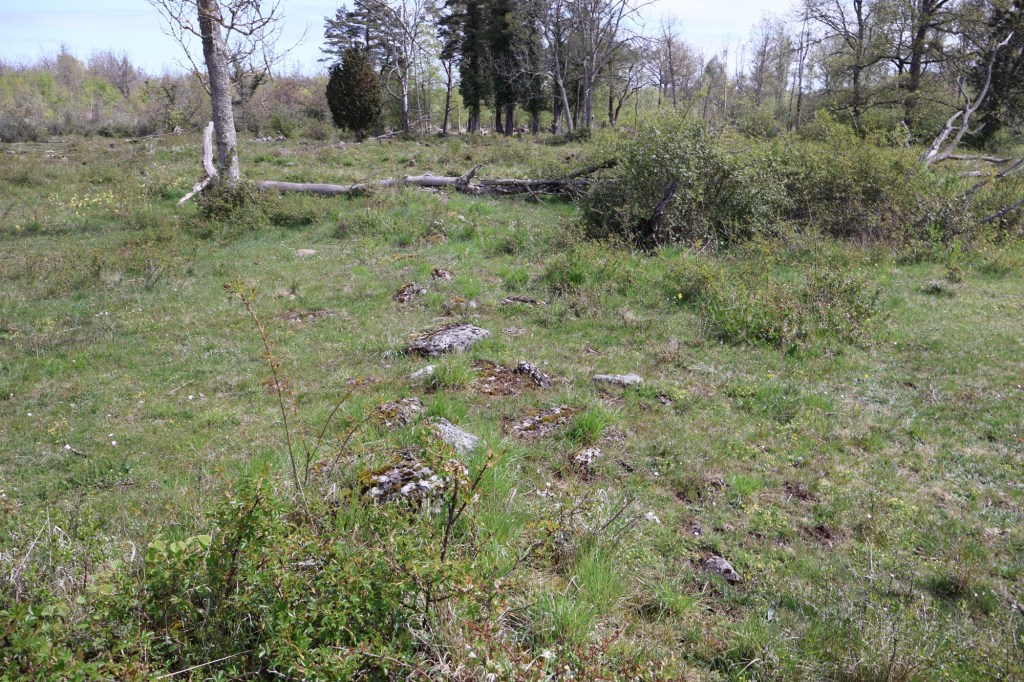
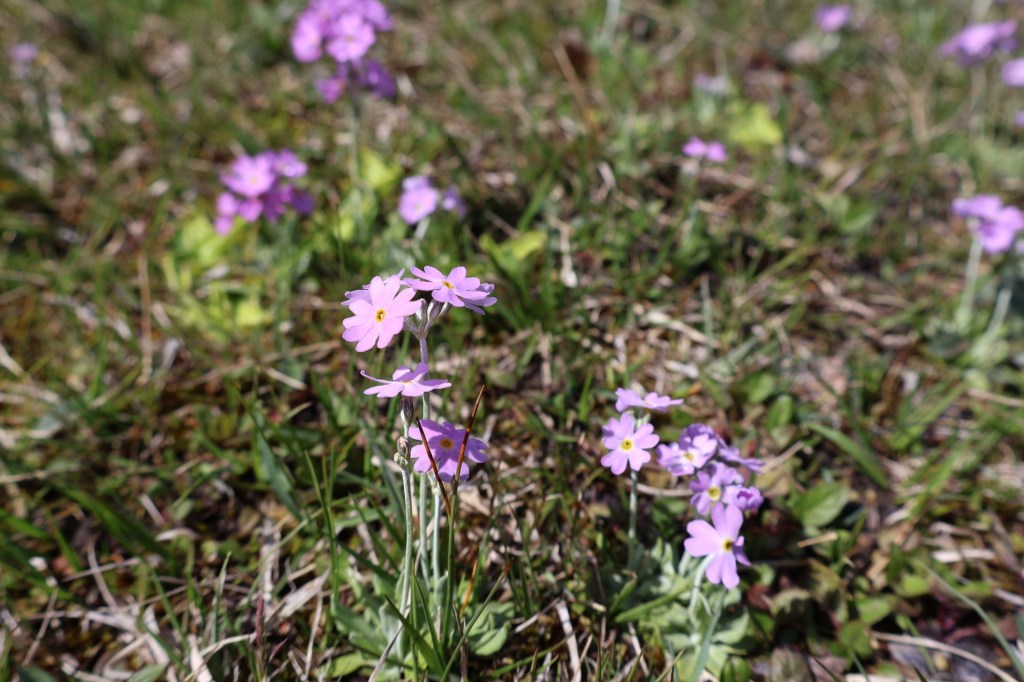
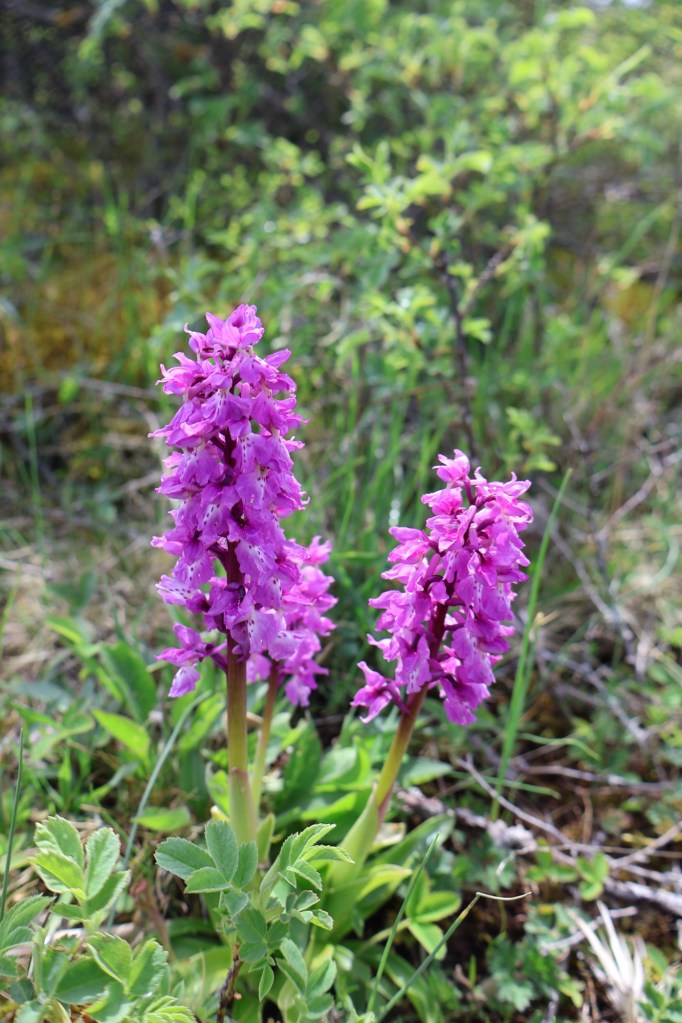
The area is not just rich in sights of historical interest, it is also a place rich in biodiversity and home to many rare species of plants.


 Fornminnen
Lämna en kommentar