This is a place where much of what once happened here isn’t visible to the naked eye. Even so this place is crucial in understanding Scandinavia during the Iron Age.

We are now on the island of Öland of the Eastern coast of Sweden in the Baltic Sea.
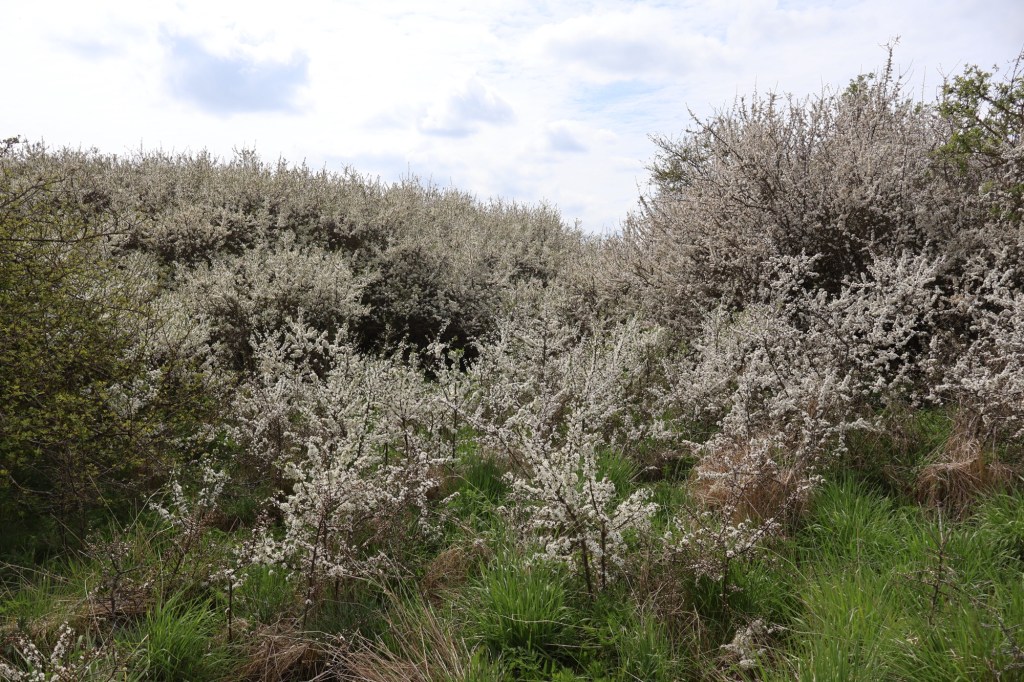
Mosse that makes up the second part of the name Skedemosse means bog, as this area used to be a large bog. The bog or lake as it once was, where a part of the ancient Ancylus lake and the water was trapped from escaping to the Baltic Sea by a natural earthen bank.

In the 17th century the duke Karl Gustav 1622-1660 decided that he wanted to grow oats on his land. The only problem was that it was a lake surrounded by bog. So he brought in men from Dalarna and Öland to dike the area and make it arable land.
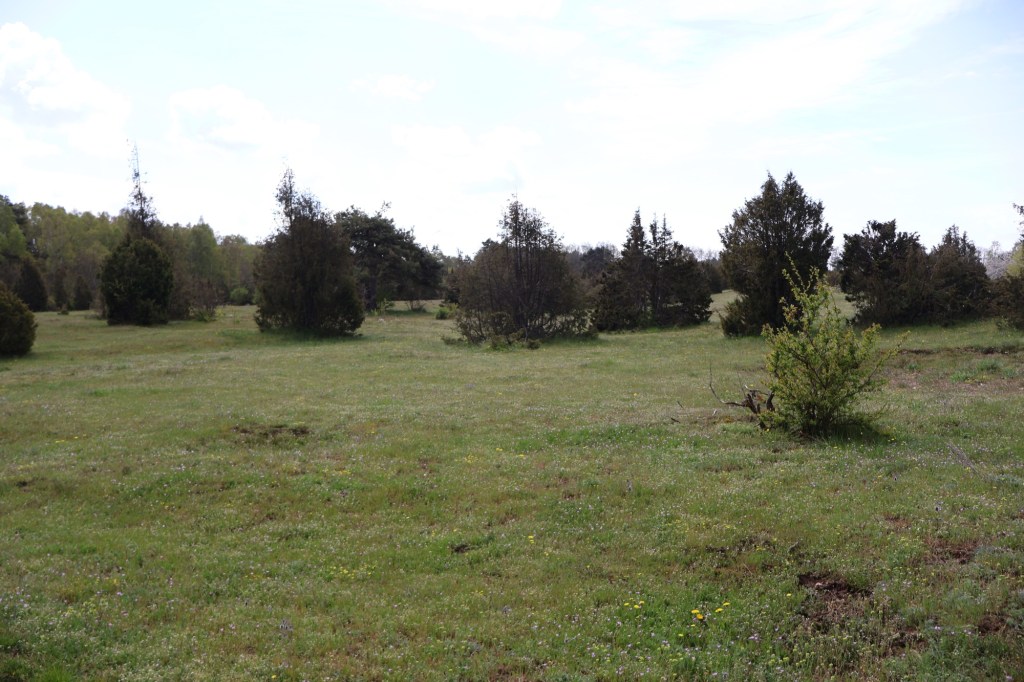
The work was thirsty and the men was allowed to drink beer from the duke’s personal cellar at Borgholms Castle.
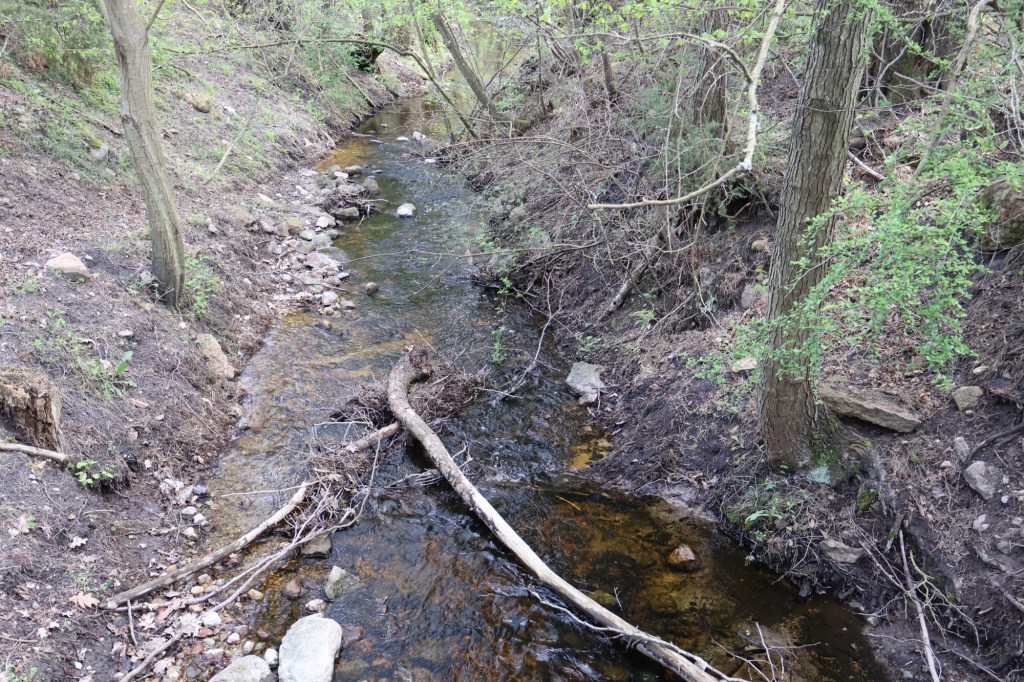
In 1654 the work was complete and the men had created a dike that was 4,6 km long. It was called the grave by the locals. The land was then used for agriculture.
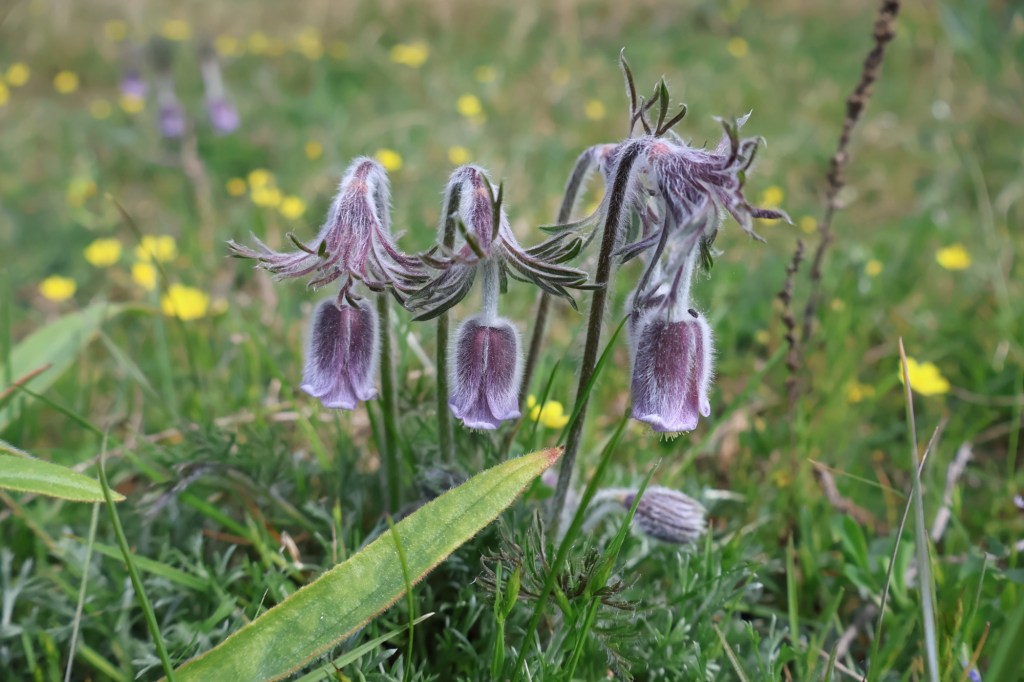
Between 1959 and 1962 excavations took place in the former bog. It was discovered that this had been an important sacrificial bog. The sacrifices had been preformed on the lake and been lowered into the water. As there was no signs of post holes it is likely that a boat was used.

A great amount of weapons was found, but because the water had been removed from the bog exposing them to oxygen made them rust away. It seems that spears and lances was the most common sacrifice.

A great amount of bones, close to 1 ton have been found. The most common animal to be sacrificed here was horse. More than 100 have been found. The skin and the head of the horses was used in the sacrifice. This makes me think that the rest of the horses might have been consumed.

The archaeologists have found the remains of at least 37 humans that has been sacrificed here. The humans that were sacrificed were both children and adults.

A lot of gold was found and 7 gold rings had a total weight of 1.3 kg. C14 analysis of the finds have dated them to between the pre Roman Iron Age and late Viking Age 400 BCE – 1100 CE.

The first gold ring was found in 1949 during agricultural work by Göte Karlsson. His sonson Birger Karlsson found a second ring ten years later which led to the excavations to take place. The gold treasure is dated to 290 CE.
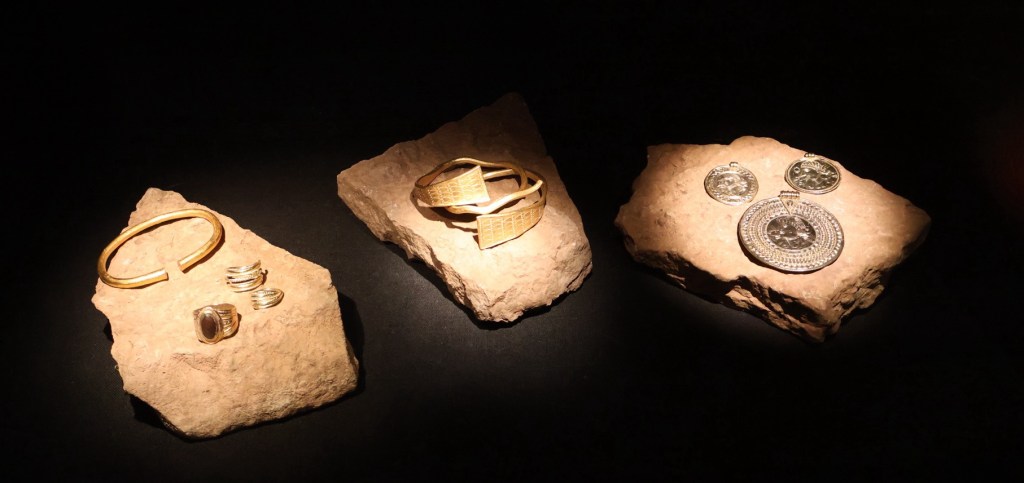
The gold rings that had snake heads was rolled up and deliberately damaged when they were sacrificed. Most likely to kill the object. Some theories state that the spirit world is the opposite of ours. So anything that is broken here is whole in their domain.
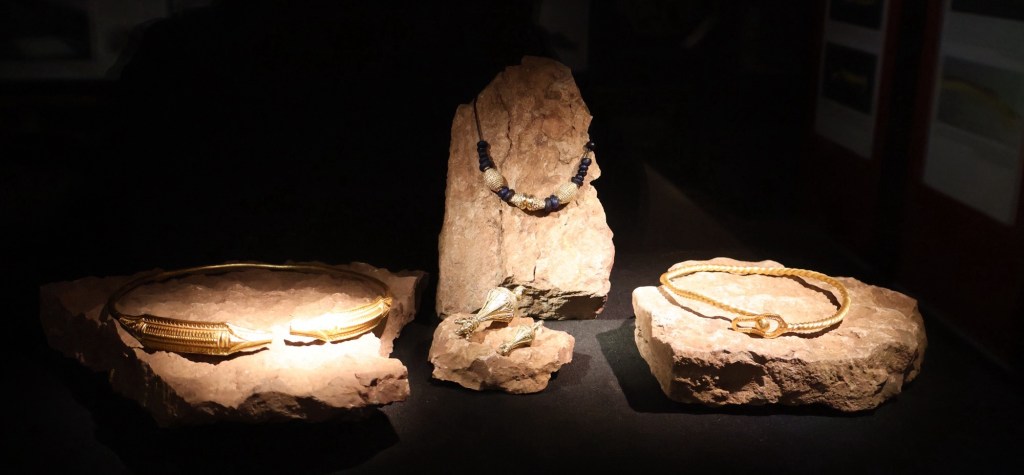
Roman gold coins of the type Aureus have been found that dates to 161-175 CE. This type of coin has given it’s name to the Swedish coin domination öre.

In 2015 the police was called to the bog as signs of looters had been seen. They had been using metal detectors on the site in an attempt to find more of the treasures that lies in the ground.
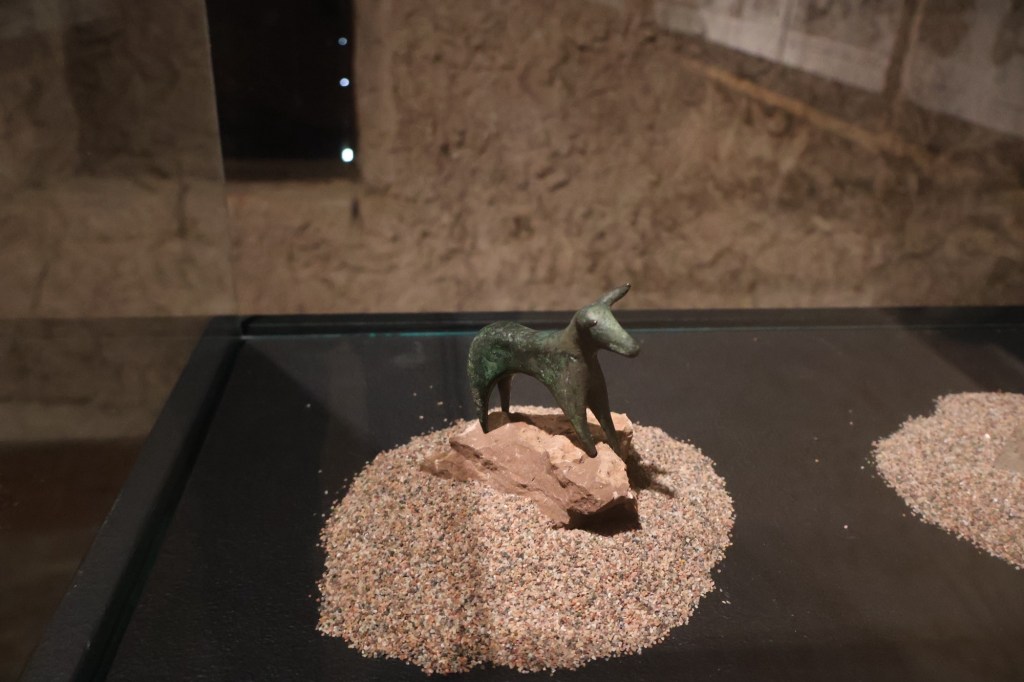
During the excavations archaeologists found fish traps dating to the Bronze Age showing that the lake was in use at a very early date (1800-1500 BCE).
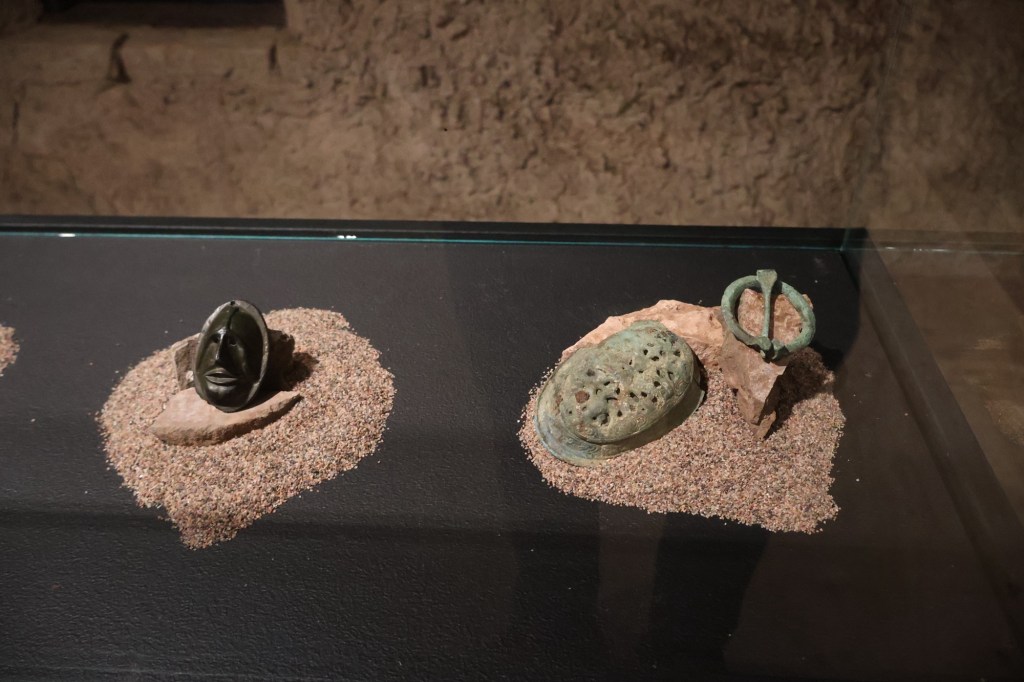
If you, like me want to visit the area the farm Skedemosse is a great place to start. They have a museum that is well worth a visit.

They have the runestones that was originally found at Bredsättra Church, but moved to Skedemosse were it was repurposed as a road sign. It has the signum ÖL 44. The runes that are still readable says:
… [f]ôður. Guð hjalpi sálu hans! Les ave(?)![3]
(After his) father. God help his soul! Read ave(?) [Maria] (?)

Next to the museum there is a small brewery that makes excellent beer that you can buy at Systembolaget in Borgholm.

Recently the ring fort Sörby Borg which location had been lost for 300 years was rediscovered just next to Skedemosse. It is likely that the people that made the bog sacrifices gathered here and they might have raced horses as part of the rituals. This ring fort is the largest one on the island of Öland.
 Fornminnen
Lämna en kommentar