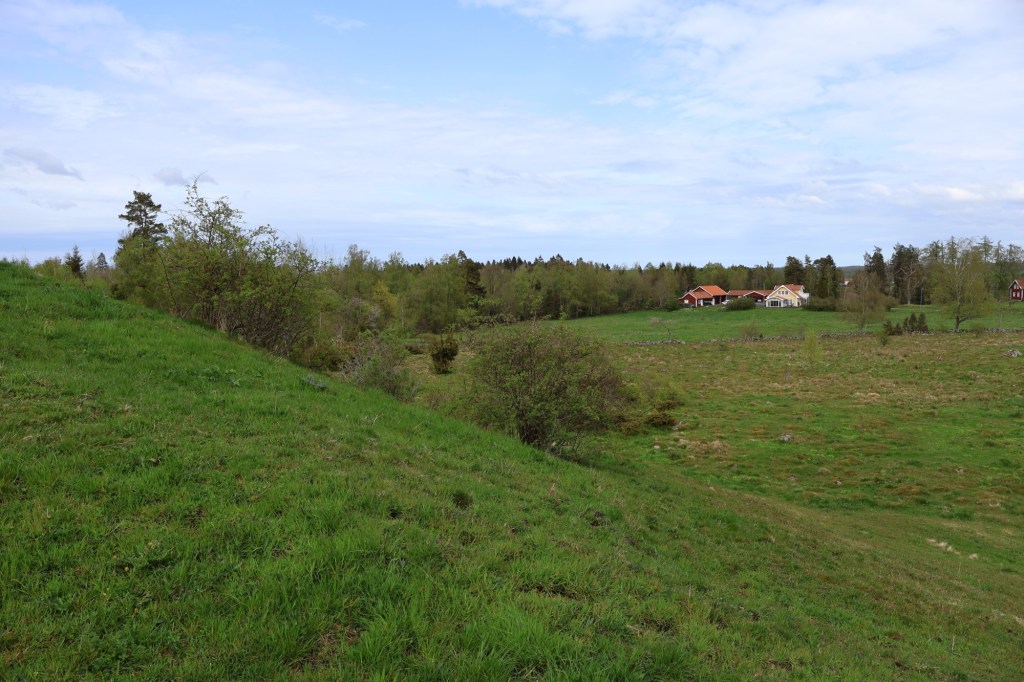
This spring I decided to visit the large mound Skalundahög. It is a grave mound located on Kålland, a large Peninsula on the Southern shore of Lake Vänern. Vänern is the third largest lake in Europe and the largest one in Sweden. Skalunda belongs to the province Västergötland.
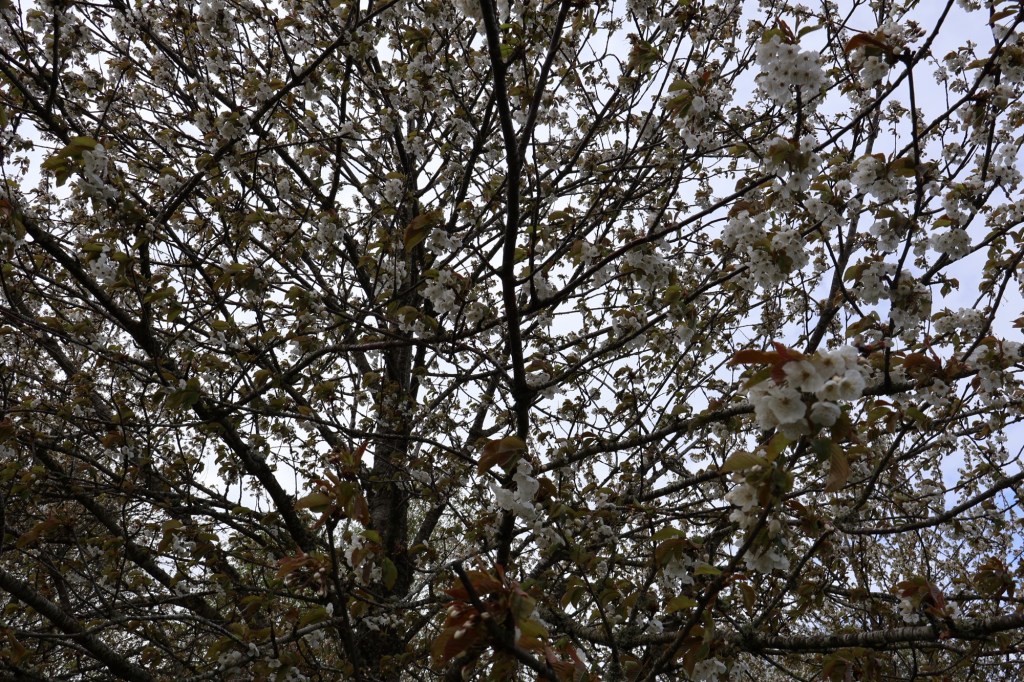
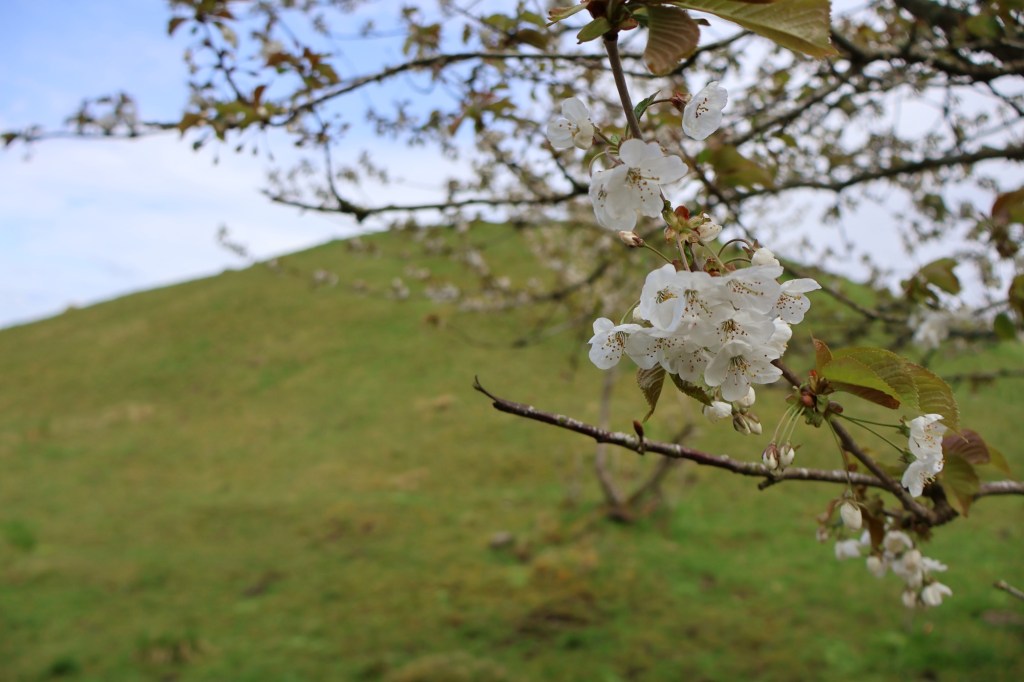
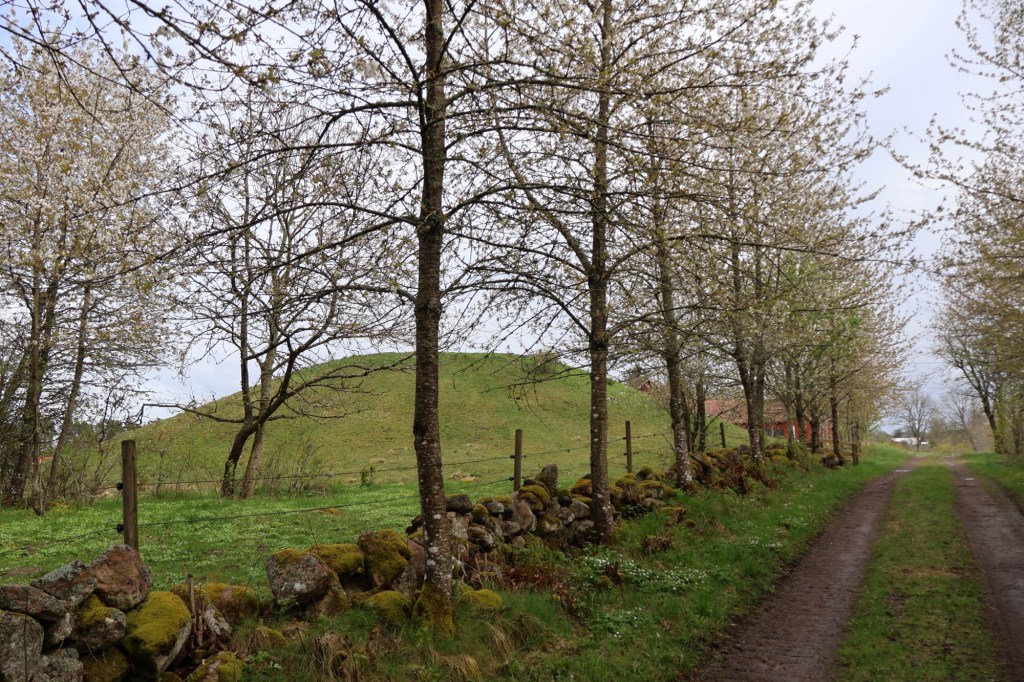
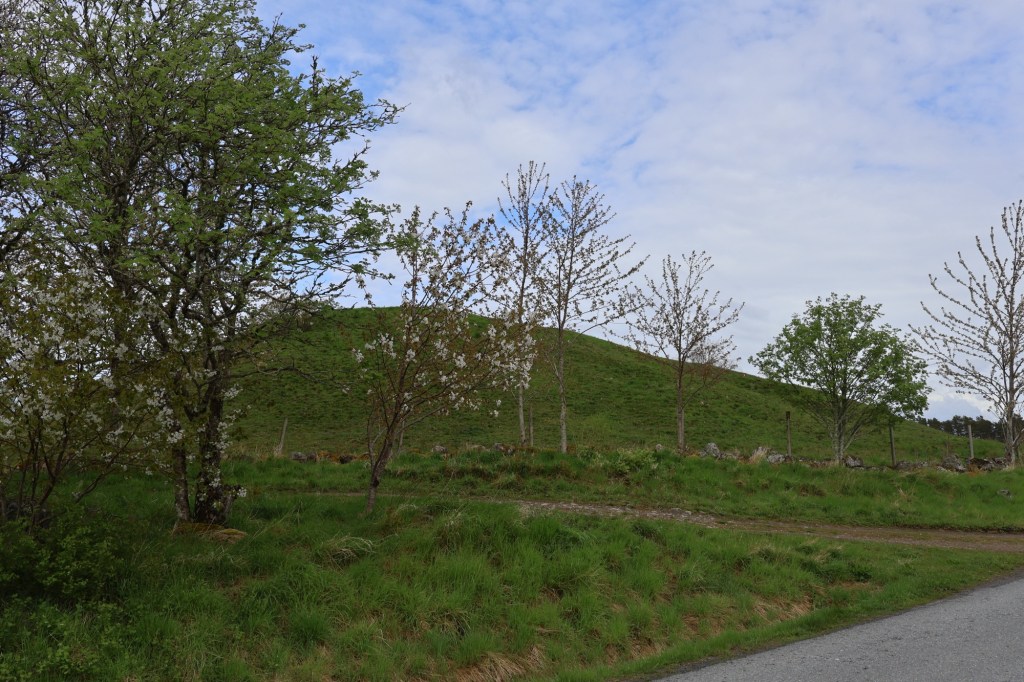
My decision to go here during the spring was a really good one as the cherry trees were blooming making the site extra beautiful.
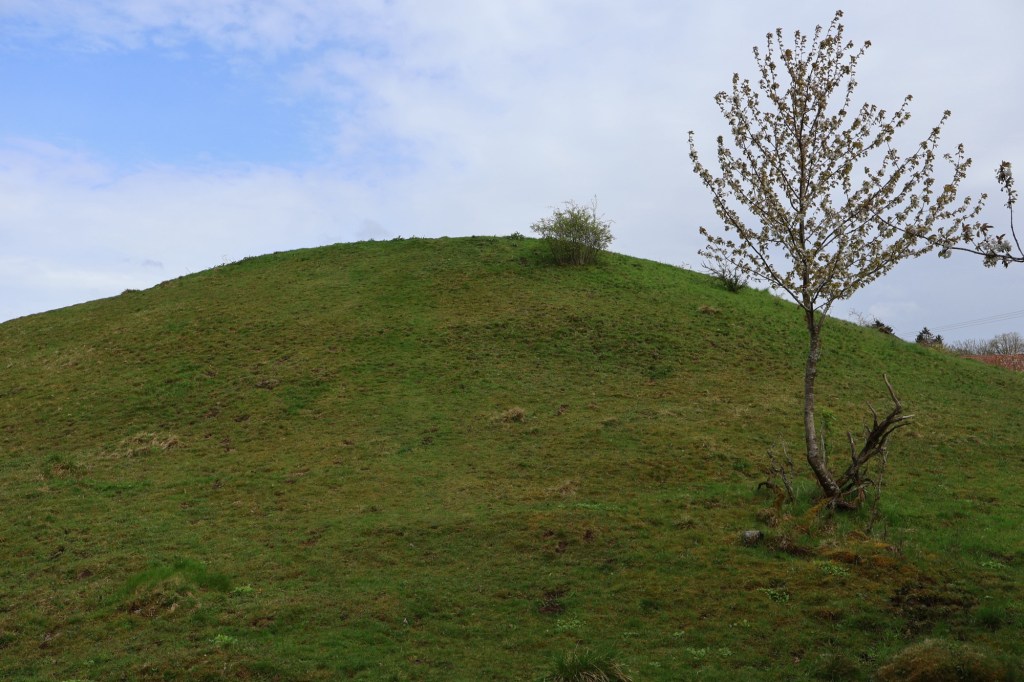
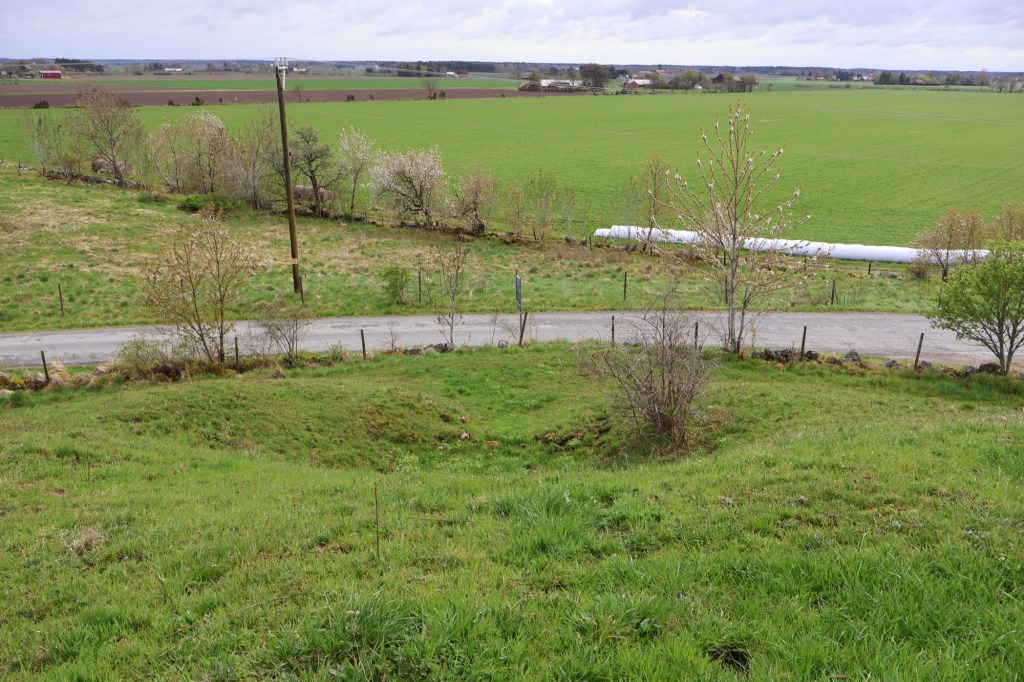
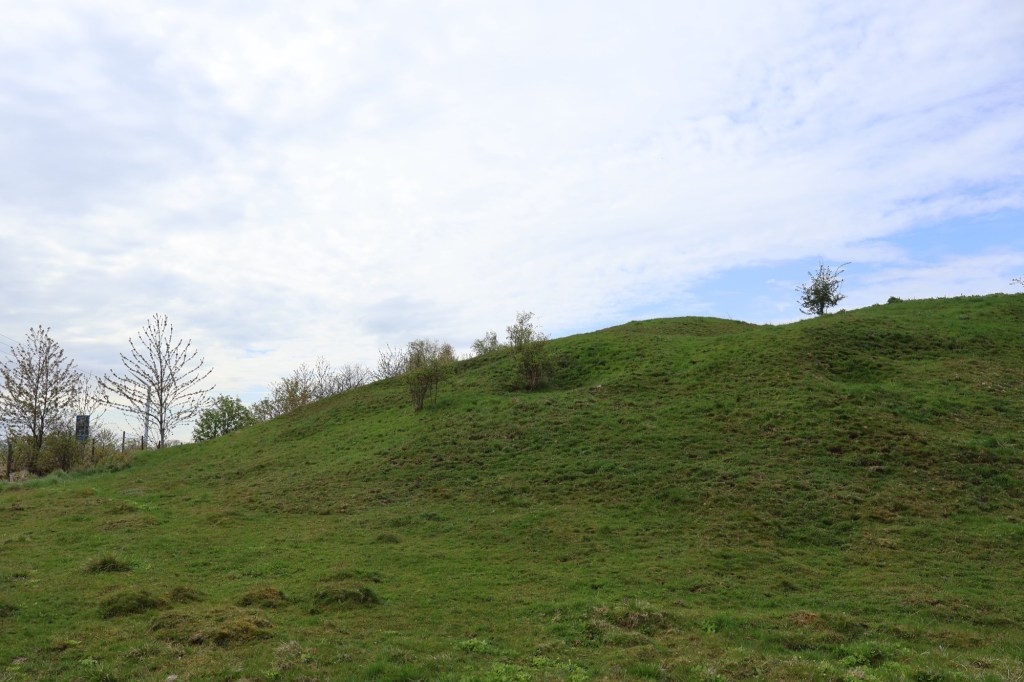
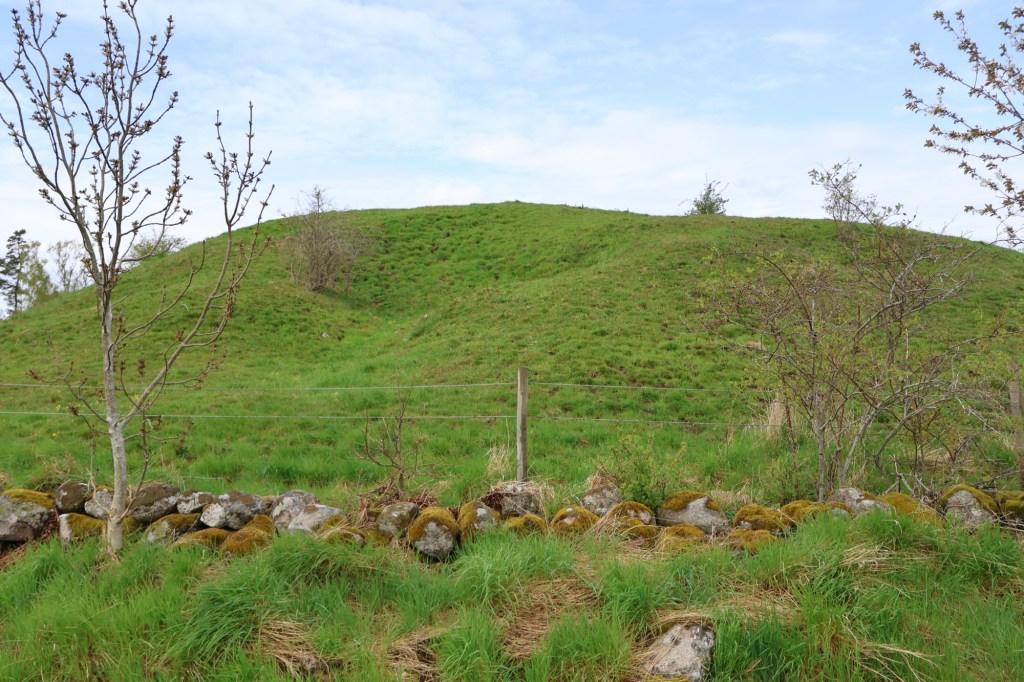
Skalundahög is the largest grave mound in Västergötland and the second largest in Sweden rivaling those in Uppsala and Anundshög. It measures 8.5 m in height and has a diameter of 65 m.
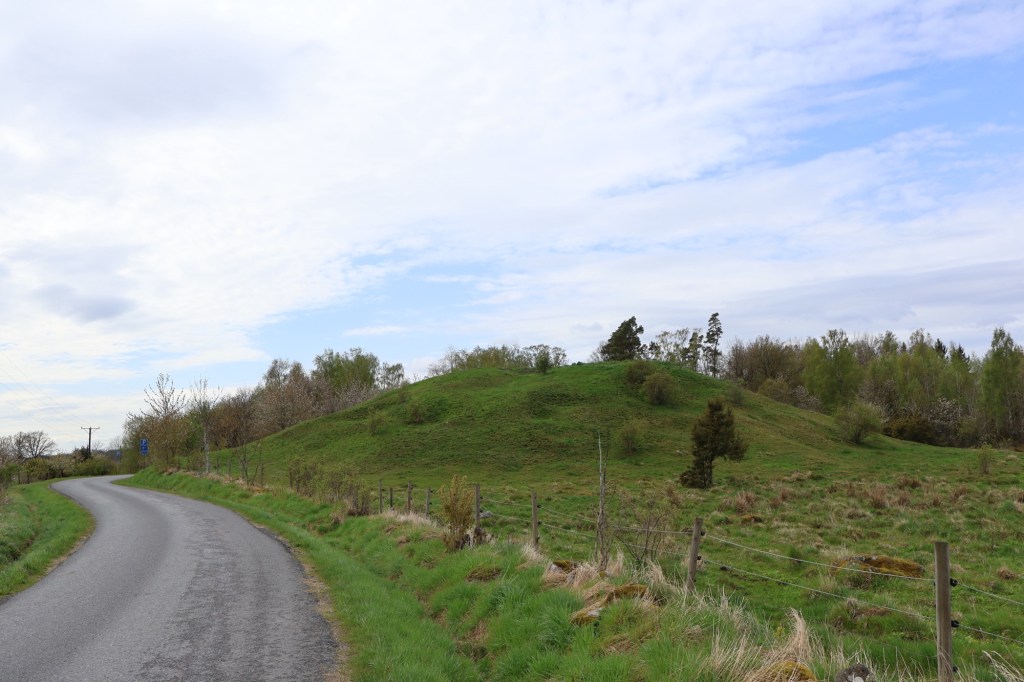
In 1761 the then 18 year old Count Ekblad tried to excavate the mound. He failed in his attempt and gave up after hitting some large rocks.

In 1994 the mound was examined again, this time by the author Bengt Råsled, employing ground penetrating radar and a drill. He managed to date the mound using C14 on material from the drill to the beginning of the 7th century. Placing it in the so called Vendel Era. The mound has however never been fully excavated.
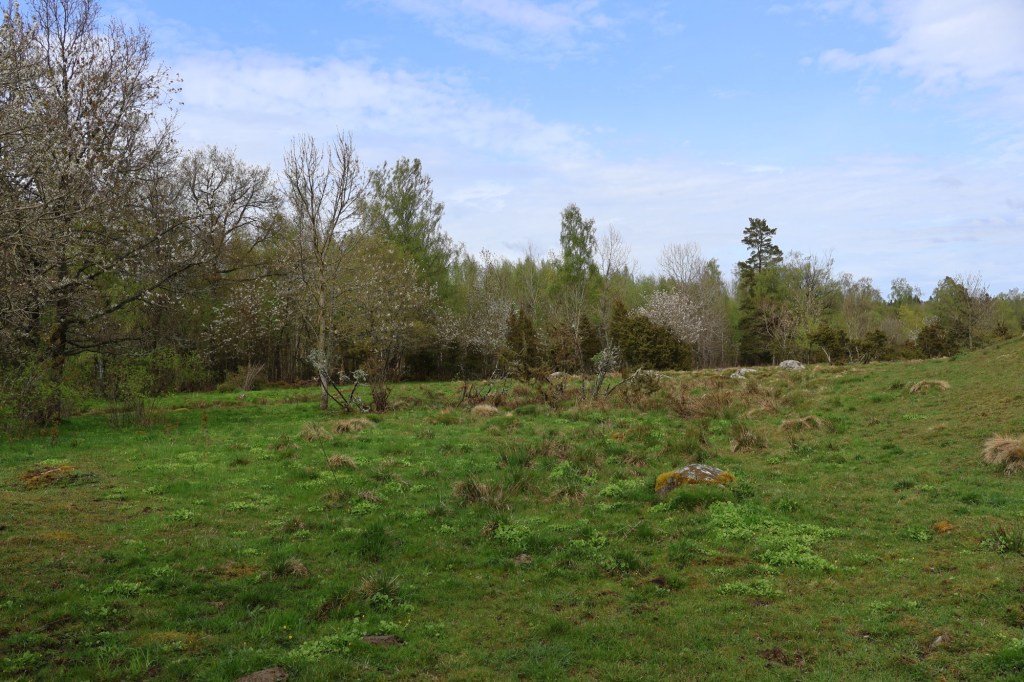
Next to the mound there is a domarring a stone circle that is a greave dating to between 400-550 CE.
Not far from the mound lies Skalunda Church that dates from the 1080s. It was the central church in a larger area and serviced people from as far away as Dale (Dalsland) across the lake. In the summer of 2024 excavations in the churchyard turned up a piece of green porphyry was found in a post hole from the early medieval period. This type of stone only occurs on Peloponnesus in Greece making it very exclusive.
The church is also home to two Viking Age runestones and a second but smaller grave mound.

Around 300 meters to the southeast from the church lies another large grave mound that I missed during my visit. It measures 2.5 m high and has a diameter of 25 m. This mound is known as Kung Sjolms hög (king Sjolms mound).
Carl-Otto Fast a amateur historian that is best known as the father of “Västgötaskolan” thought that Kung Sjolms hög might be the resting place of Hjalmgunnar the king of the Goths that was killed by the Valkyrie Sigrdriva in Sigrdrífumál.

Their battle took place somewhere called Hindarfjället that sounds very similar to Hindens rev a small peninsula close by Skalunda. Skalunda has a higher elevation above Hindens rev making it a possible that it was seen as a fjäll (mountain). If there’s any truth in this I don’t know but it is a good story.
The area around Skalundahög had several more grave mounds but they have disappeared over the years. In 2021 archeologists found some very exclusive brooches dating from the Vendel period just as the mound.

On the opposite side of Lake Vänern along the river Byälven lies several mounds of the same type on a row all the way into Norway. This might be a sign of the great influence of the people that lived here during the Vendel period.

The Swedish archeologist Birger Nerman put forward a theory in the 1930s that Skalundahög was the grave of Beowulf.
He died according to the Beowulf Epos in a place that was known as Earnanæs which is the Old Norse name for Aranäs whitch means Eagle Peninsula. I have previously written about the ruins there which are not very far from Skalunda. You can read about that place here: Aranäs Castle Ruins.

In the epos it is written that Beowulf was placed in a great mound on a rocky peninsula that was visible from the sea. Skalundahög fits that description as it was visible from the water. Even if I didn’t think it was particularly rocky.
We will probably never know who lies within but based on the size of the mound and its location it must have been someone very important.
It is dated to the same time as the Anglo-Saxon grave In Sutton Hoo and the graves in Vendel, Uppland that were all very rich in grave goods so one can imagine that the content of Skalundahög is very interesting indeed.
In 2014 the author Bengt Åslund that is the same person that managed to date the mound put forward the idea to construct a tunnel to be able to excavate the mound without destroying it. Something that hasn’t been realized to this day, and I think that it never will.

This place really deserves more attention as it must have been one of the more important centers of power in Scandinavia during the Vendel period. Even so it is largely unknown which is sad. I will for sure revisit this area not least to visit the church that I for some reason missed.
 Fornminnen
Lämna en kommentar