This summer I visited Offerdal and the petroglyphs at Gärde in Jämtland, Sweden. The drive there goes along a small gravel road through a spectacular countryside with pastures and old farmhouses.
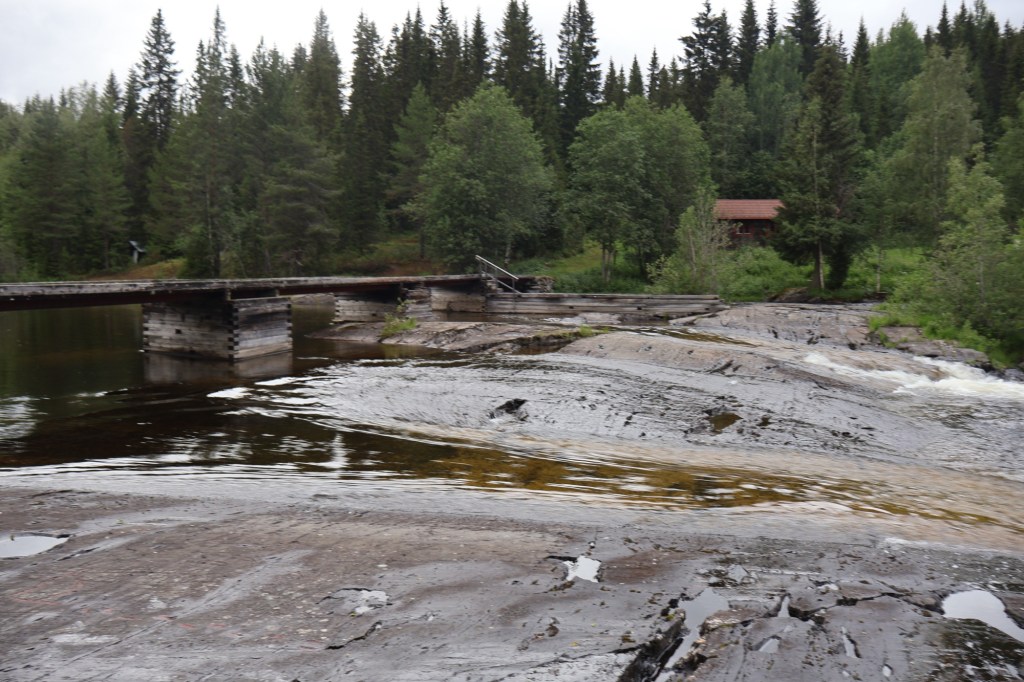
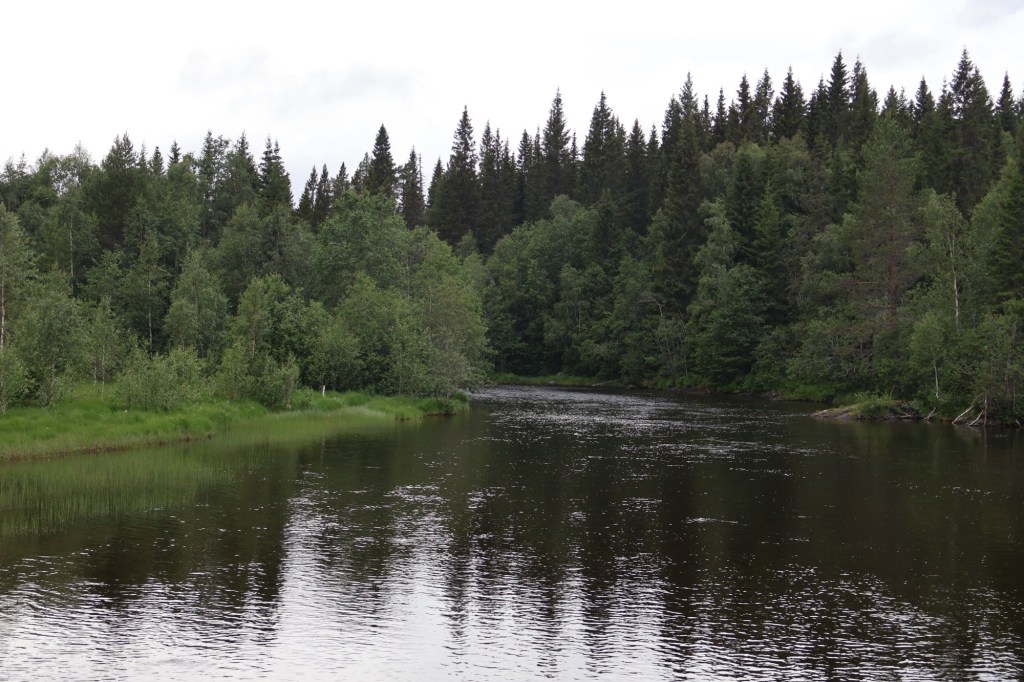
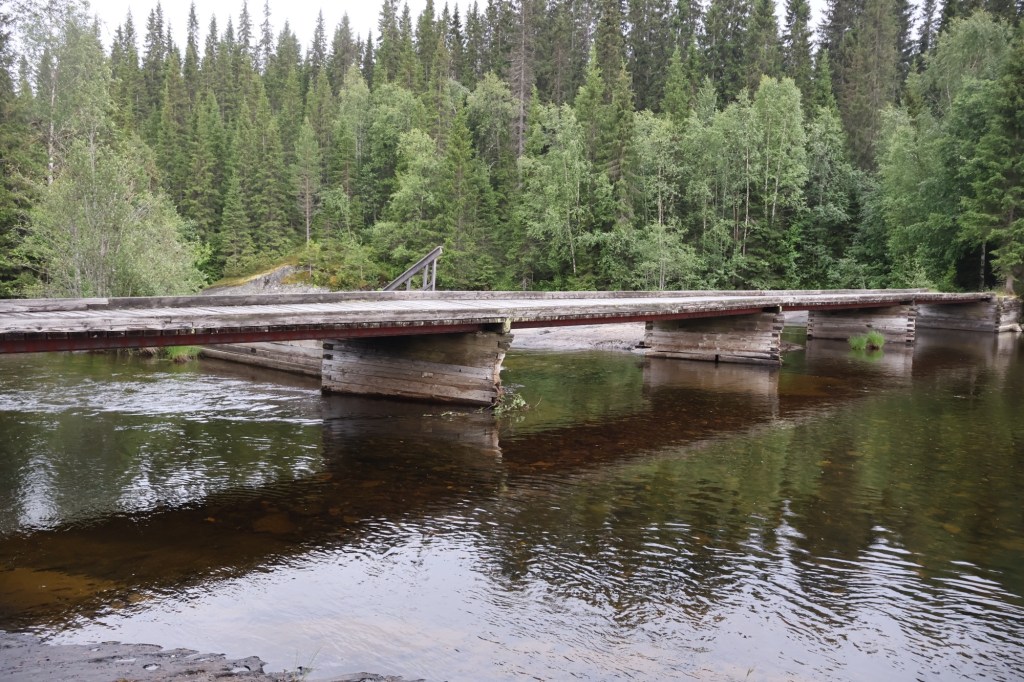
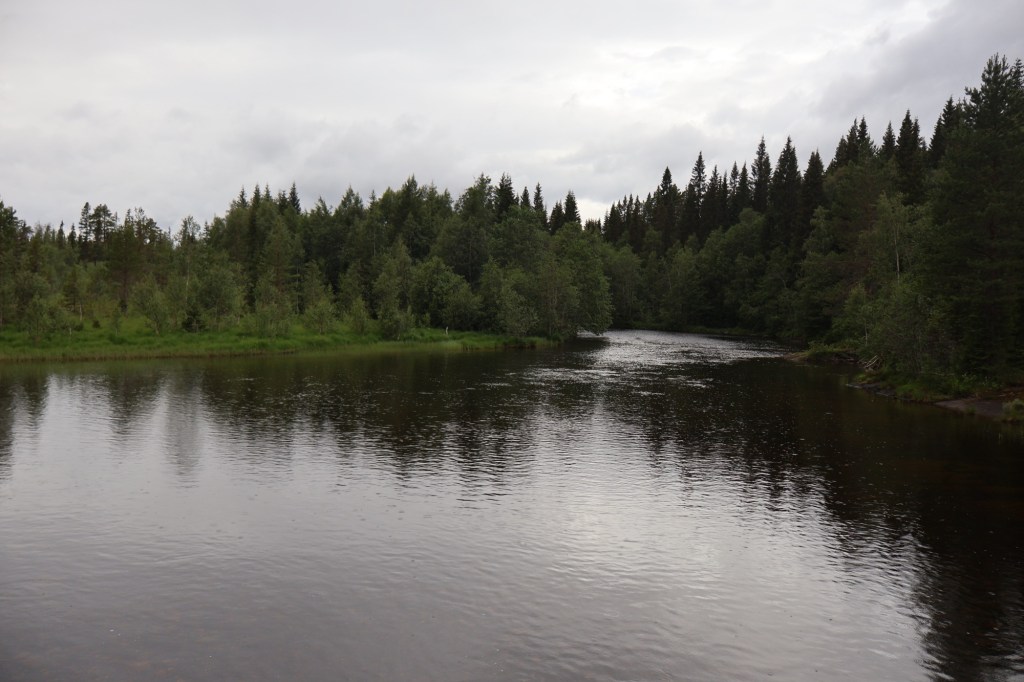
The site is easily accessible with a large parking lot and a short trail that leads to a bridge that takes the visitor over the small river Gärdesån. The bridge makes all petroglyphs here accessible.
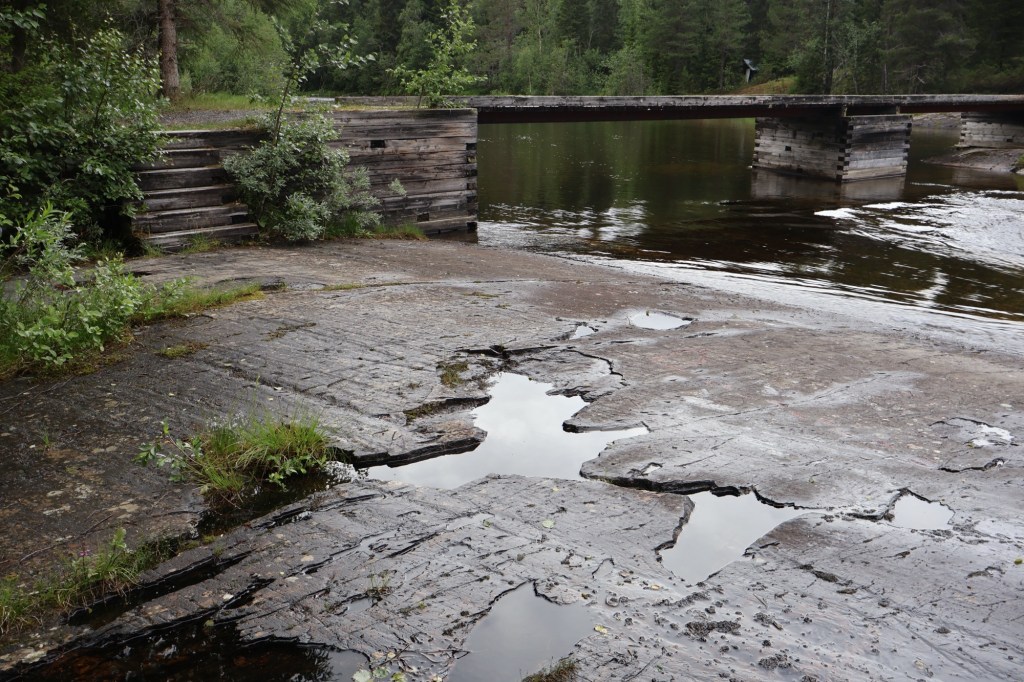
The petroglyphs here are different from the more usual petroglyphs found in Scandinavia that are dated to the Bronze Age. These are instead thought to be as old as 7000 years.
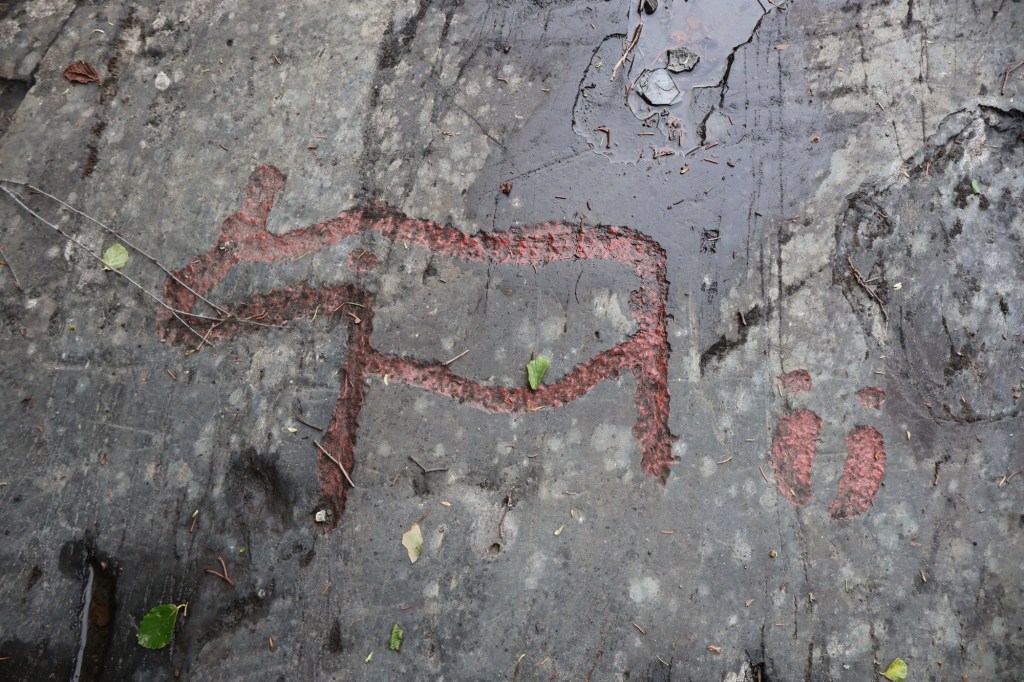
Last year I visited a similar but probably slightly younger site in Jämtland called Glösa. The similarity between the two are that the moose are a popular animal in the depictions at both locations.
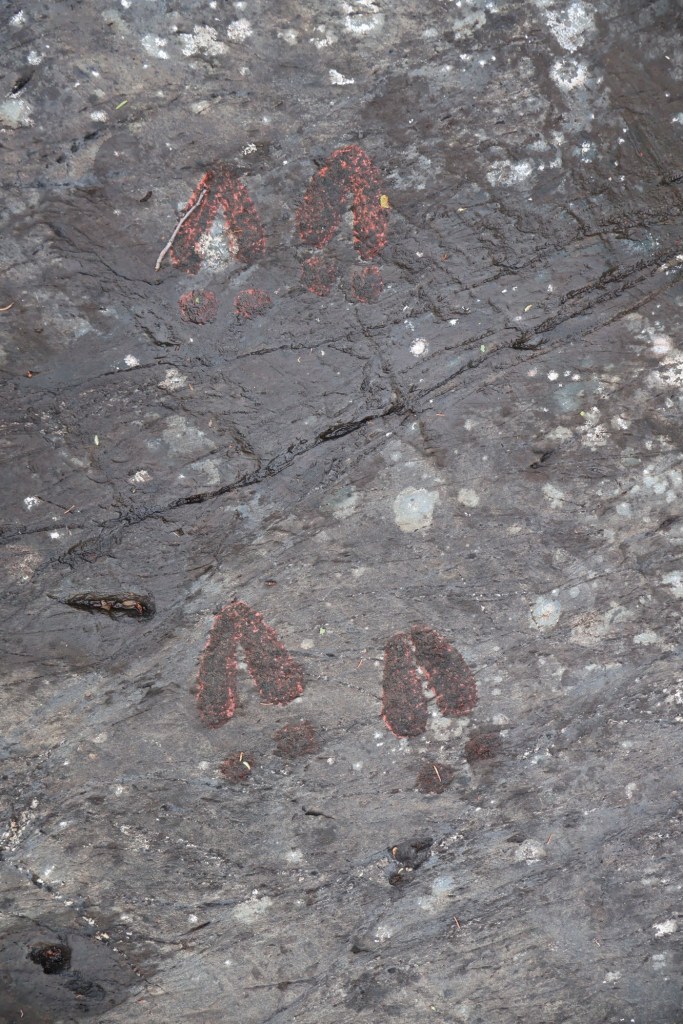
The petroglyphs at Gärde are divided between three locations made accessible by the bride.

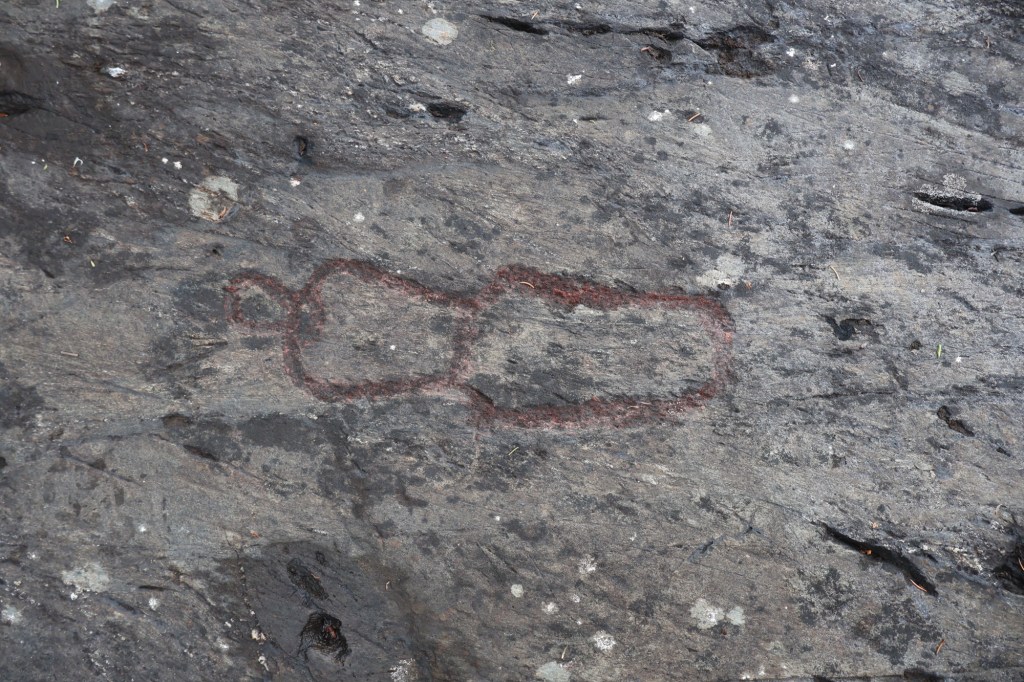
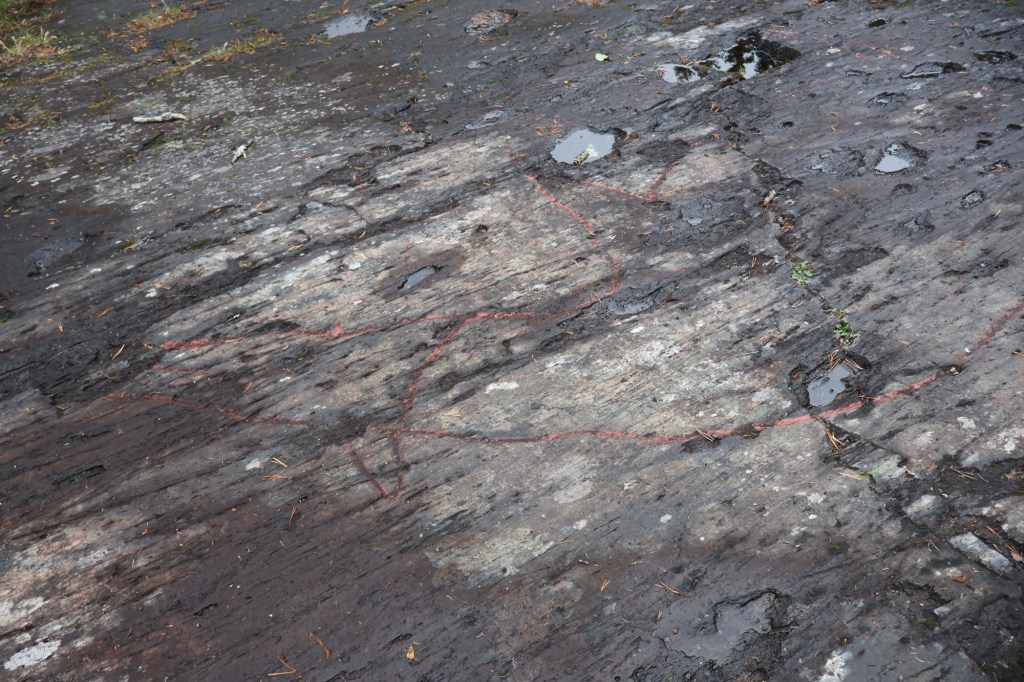
The first location is just at the beginning of the bridge, on the side of the parking lot. Here are the best preserved and most visible petroglyphs. It’s easy to find pictures of moose tracks and a human that might a woman (based on her curves).
Here is also a very special picture of a moose with ten human footsteps leading to it. The first two are paired suggesting that that person was standing still. The next eight footprints are one after the other suggesting movement. Next to them four moose tracks can be seen.

This has lead many to speculate about what it meant. Some think that it is a story about hunting with the tracks representing the hunter stalking his prey.
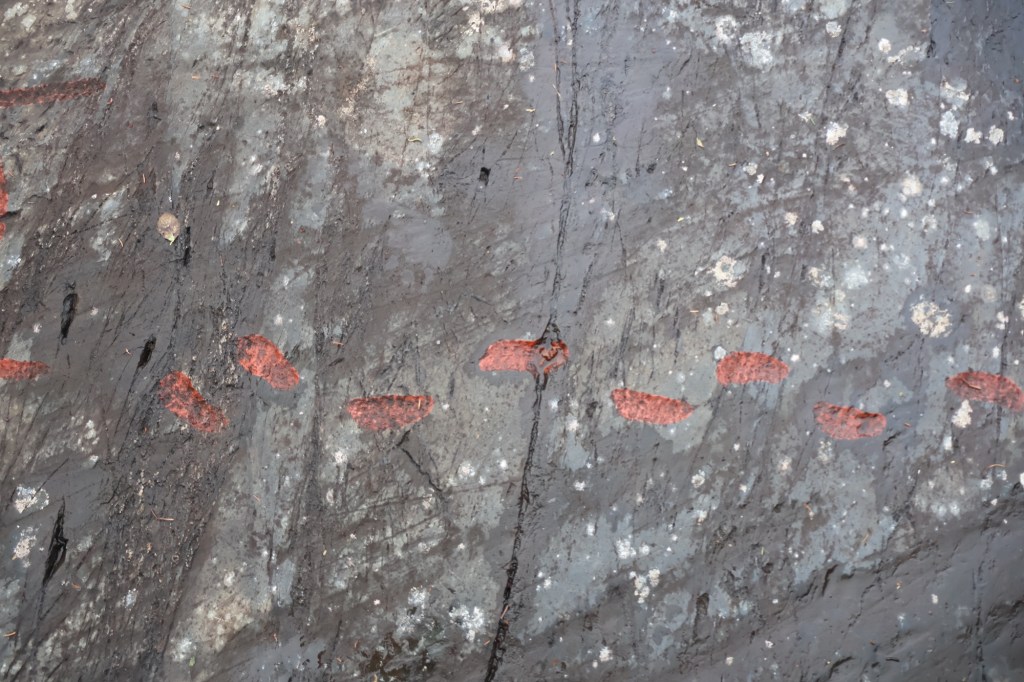
Other possible interpretations might be that the footsteps represents a shaman that communicates with or takes the form of the moose. The petroglyphs on this side of the river probably date to 4000 years ago.

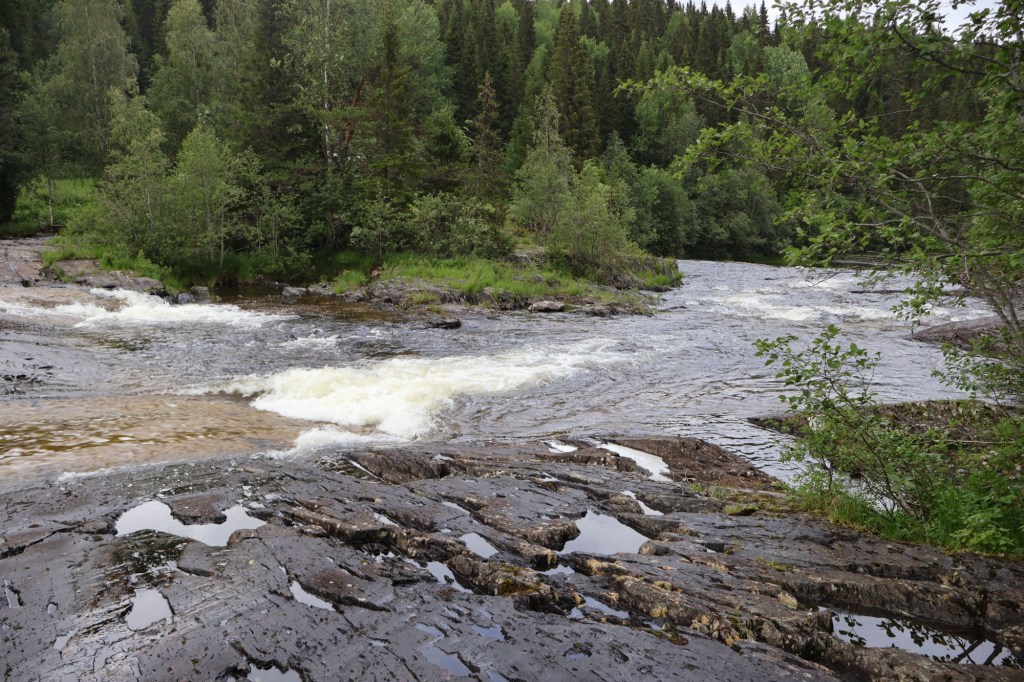
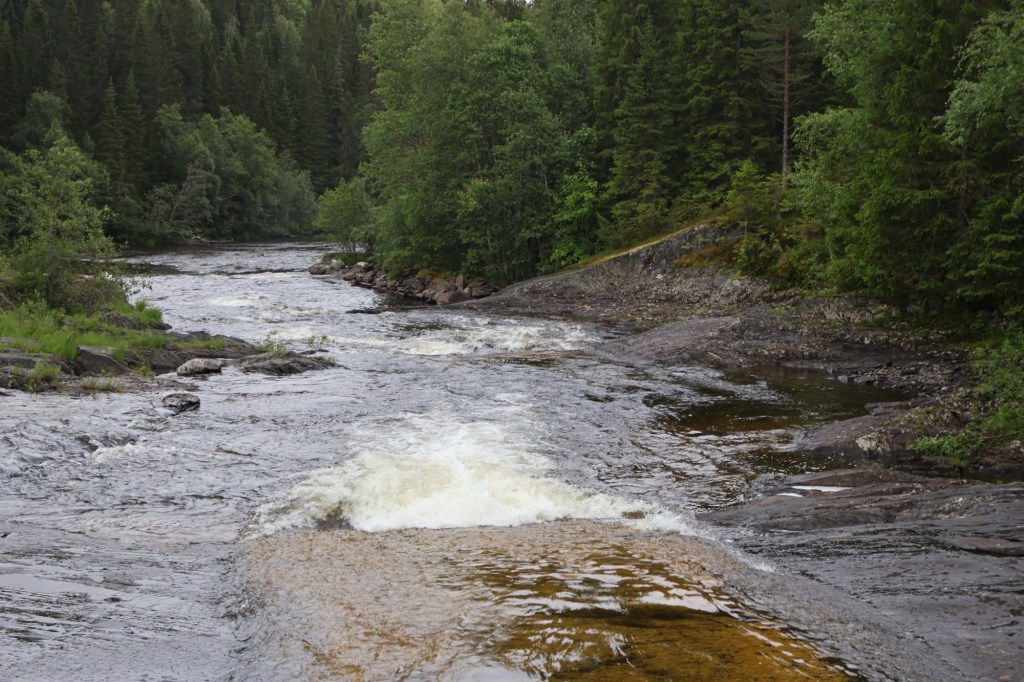
The other location is on the small island in the middle of the river. Here the petroglyphs are found on the end of the island facing the waterfall.

Here is the largest single petroglyph found anywhere in Sweden. It consists of a moose in natural size, measuring 3,7m long and 2,5m tall.

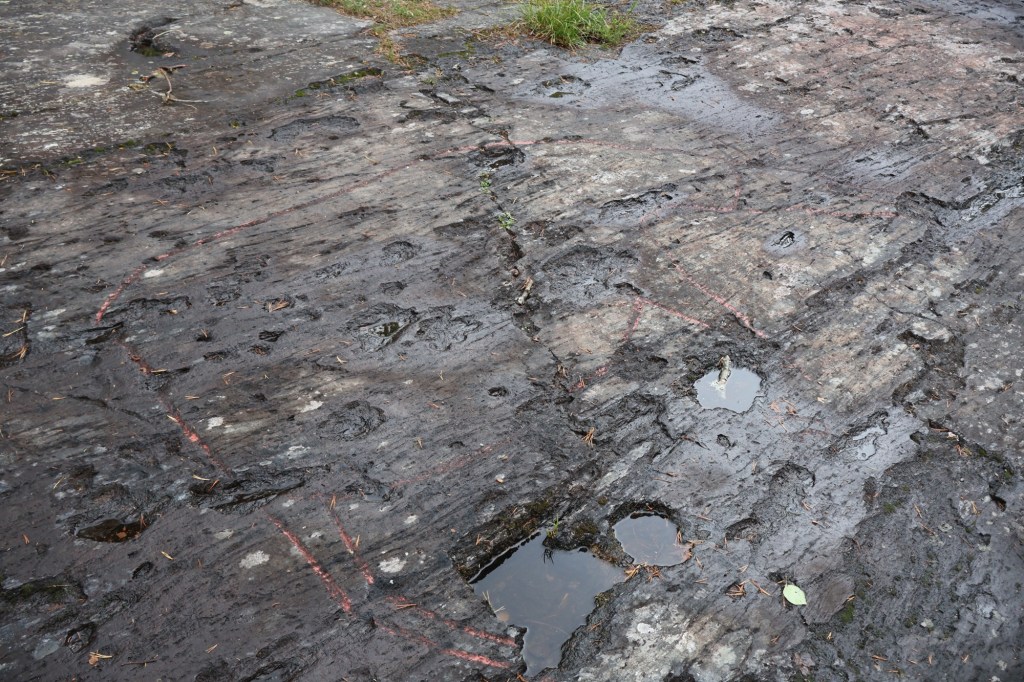
It is flanked by two more moose, also in natural size but slightly smaller. The three Moose are likely a bull with a cow and a calf.

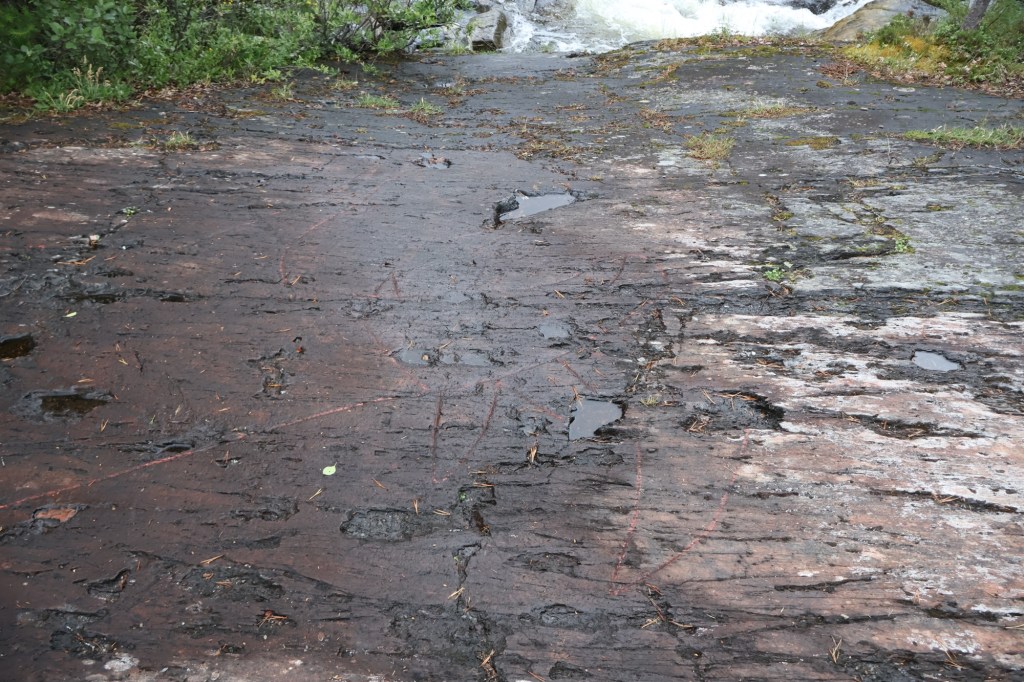
The petroglyphs at this site have been cut and ground into the cliff as opposed to the more common technique of just cutting them into the rock. This is most likely an older technique.
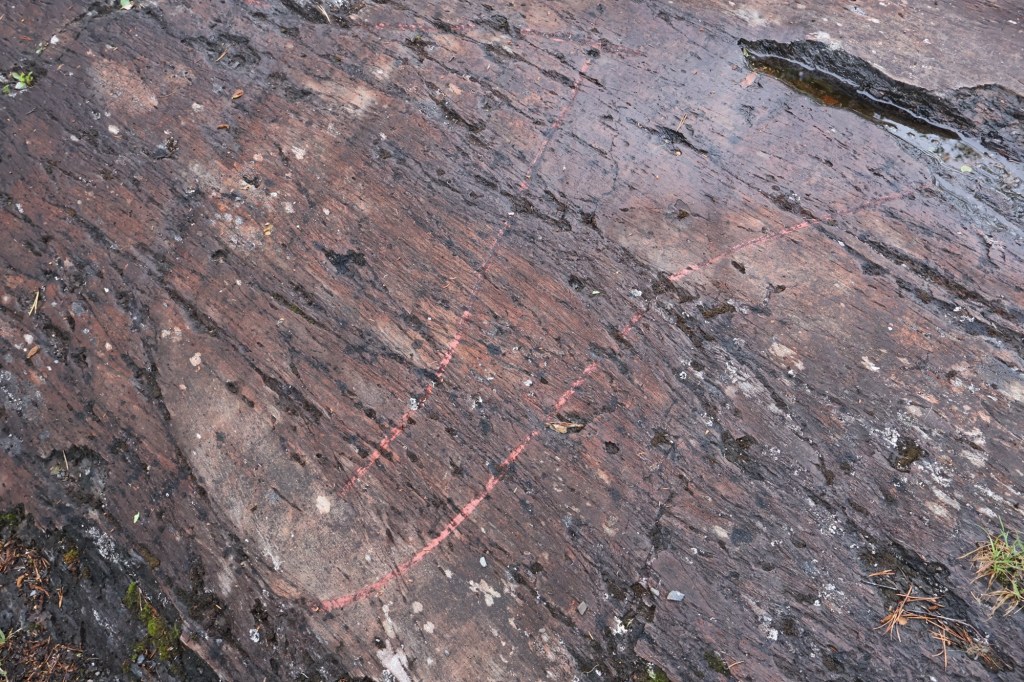
These are the oldest petroglyphs dating to 7000 years ago and they have similarities in style to similar moose carvings found in Norway.
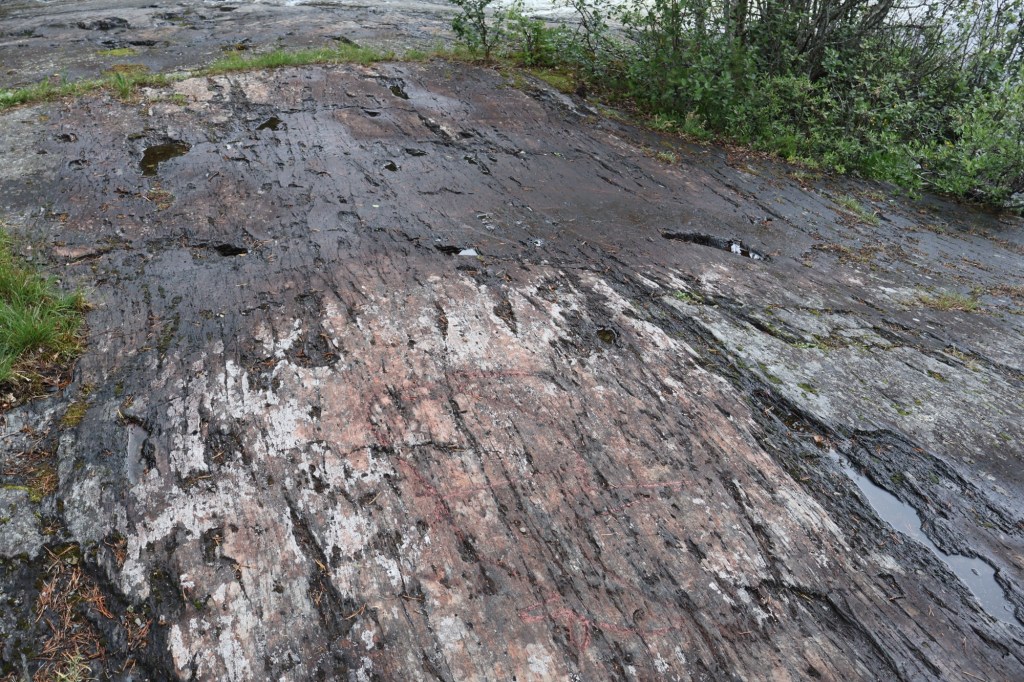
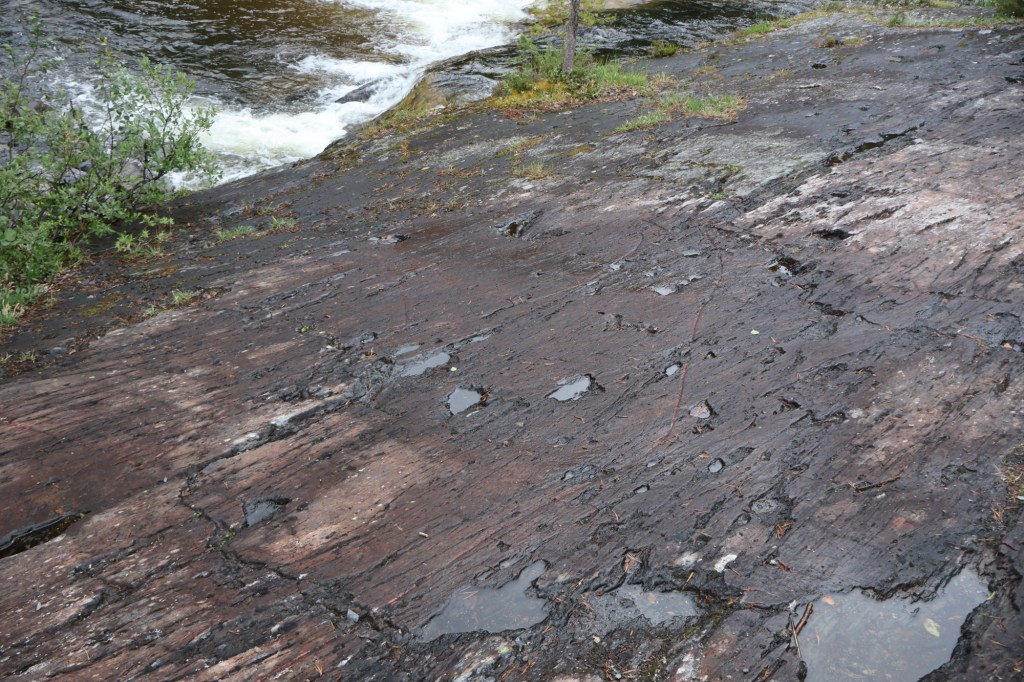
On the other side of the river, just upstream of the bridge the third location can be found.

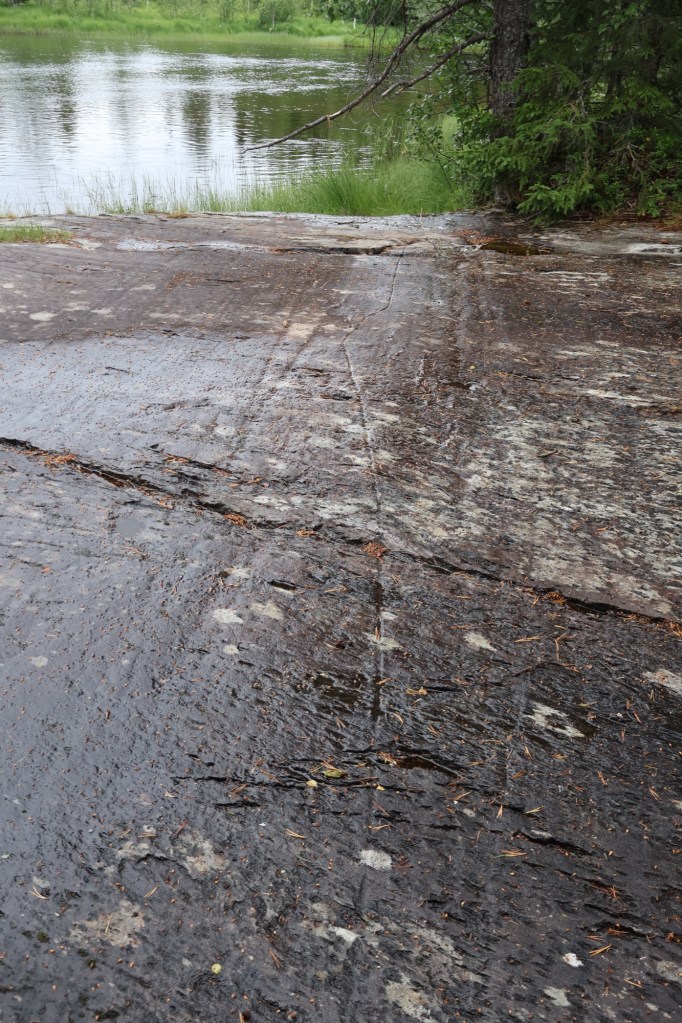
Here the petroglyphs consists of long lines that are hard to interpret. Because of this it is hard if not impossible to date them and for this reason they haven’t been painted in.
The people that used this site obviously thought that it was special as they returned to it for several thousands of years.
They were nomadic hunters and gatherers, that probably spent time at a settlement on the shore of the lake Gärdesjön not far from here.
Based on their choice of motif it is easy to understand that the moose played an important role as a food source. But it is possible that it also played a deeper more spiritual role to these people. Maybe what we see here is totemism.

At my visit many petroglyphs, especially the three largest ones were very hard to see and even harder to photograph. I thought that it was because they hadn’t been filled in.
But since my visit staff from the regional museum Jamtli has restored the petroglyphs. I had a written conversation with one of them and apparently it wasn’t the paint that was in bad shape but it was instead a layer of lichen that made them hard to see. Hopefully this lichen has been removed.
 Fornminnen
Lämna en kommentar