
So I have decided to branch out the blog and also include museums and portable antiquities. It feels natural to do so as they are great places to explore the finds and the culture of the people that created the sites that I normally visit and write about. They also deserve to get some free publicity for their important work.
First out is the Sámi Museum in Inari in Finnish Lapland. The area is the center in the area inhabited by the Inari Sami people, anarâškielâ that speak the Inarian language or aanaarsämikielâ as it is known, today only around 300 speakers remain.
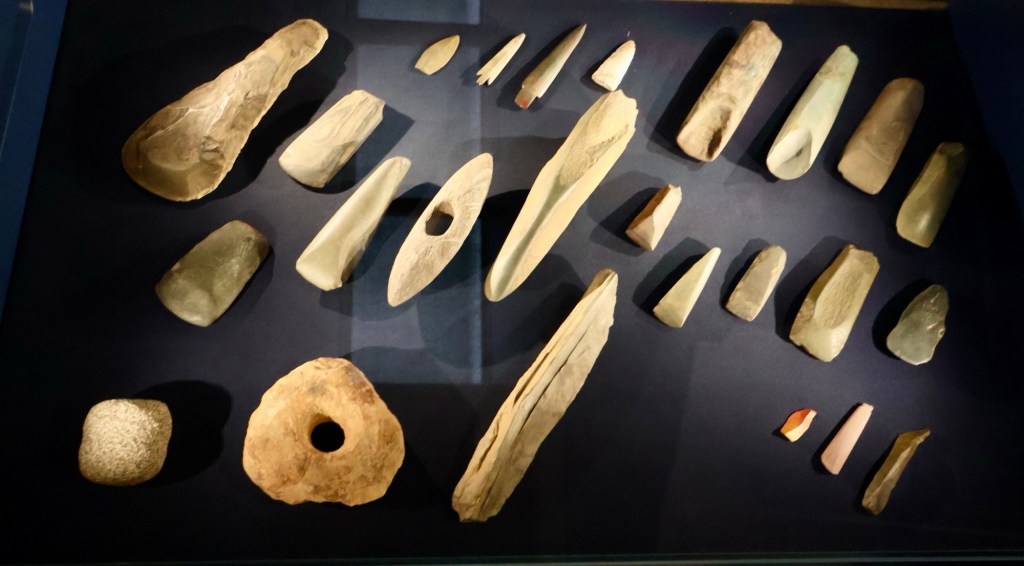
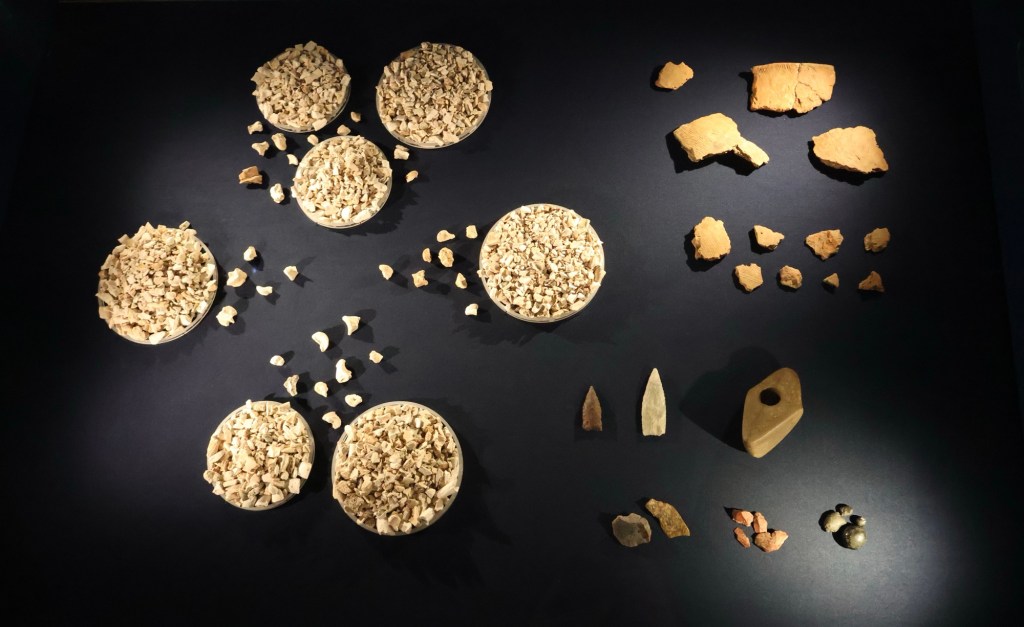
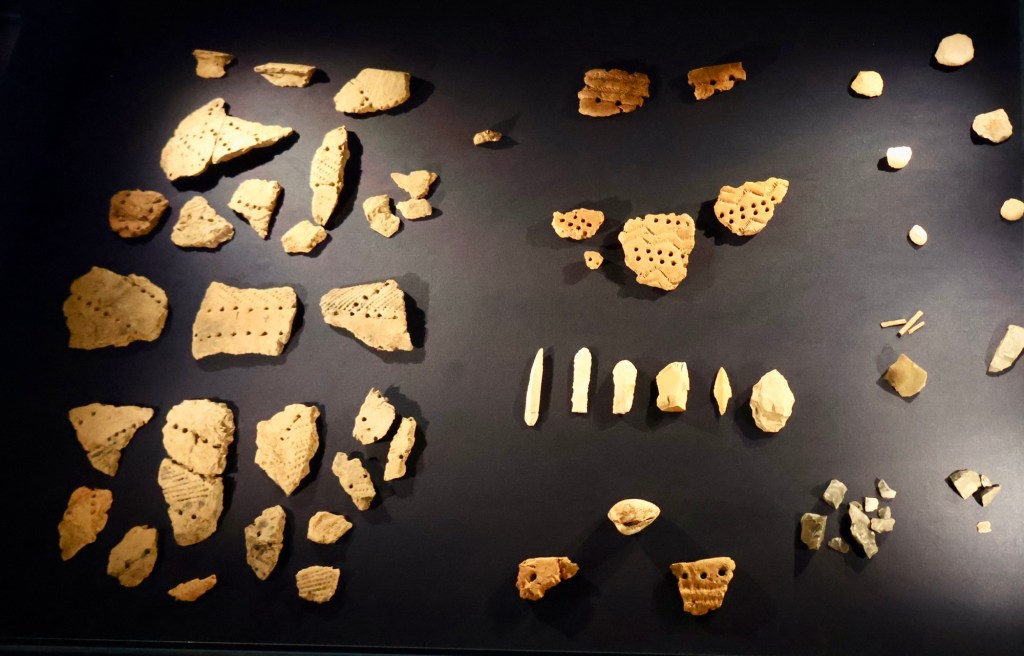
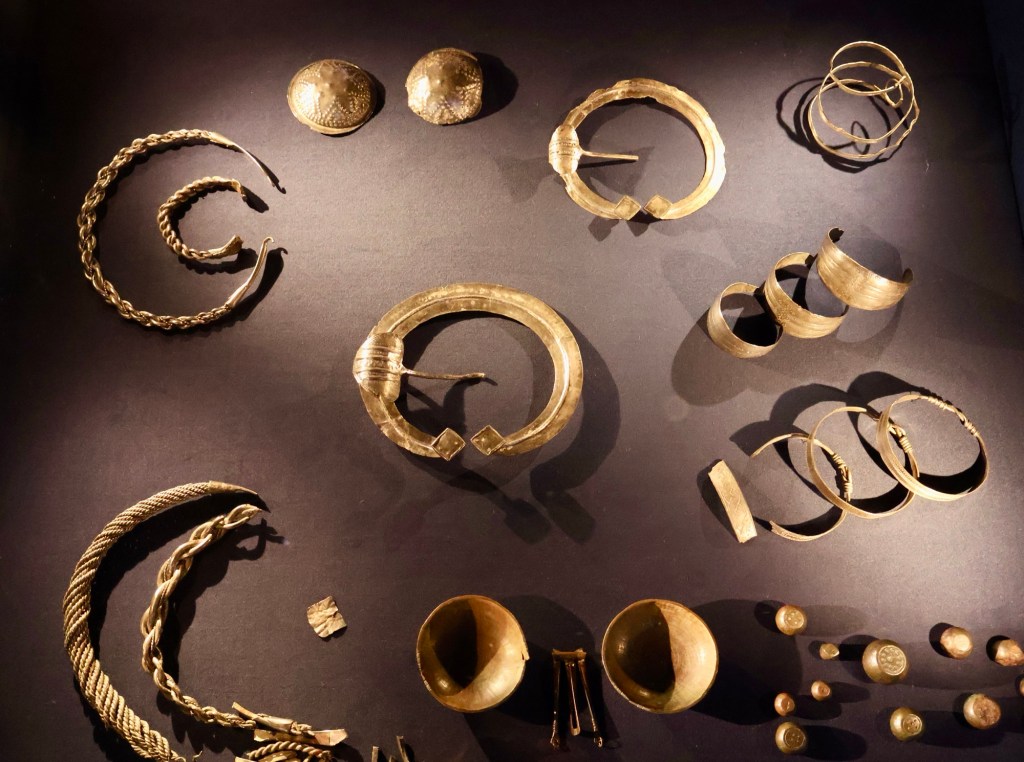
The museum has a wonderful collection of both archeological materials and more recent anthropological artifacts of cultural importance.
The museum is a national museum for the Sami in Finland and it also has responsibilities for Sami culture from a regional perspective.
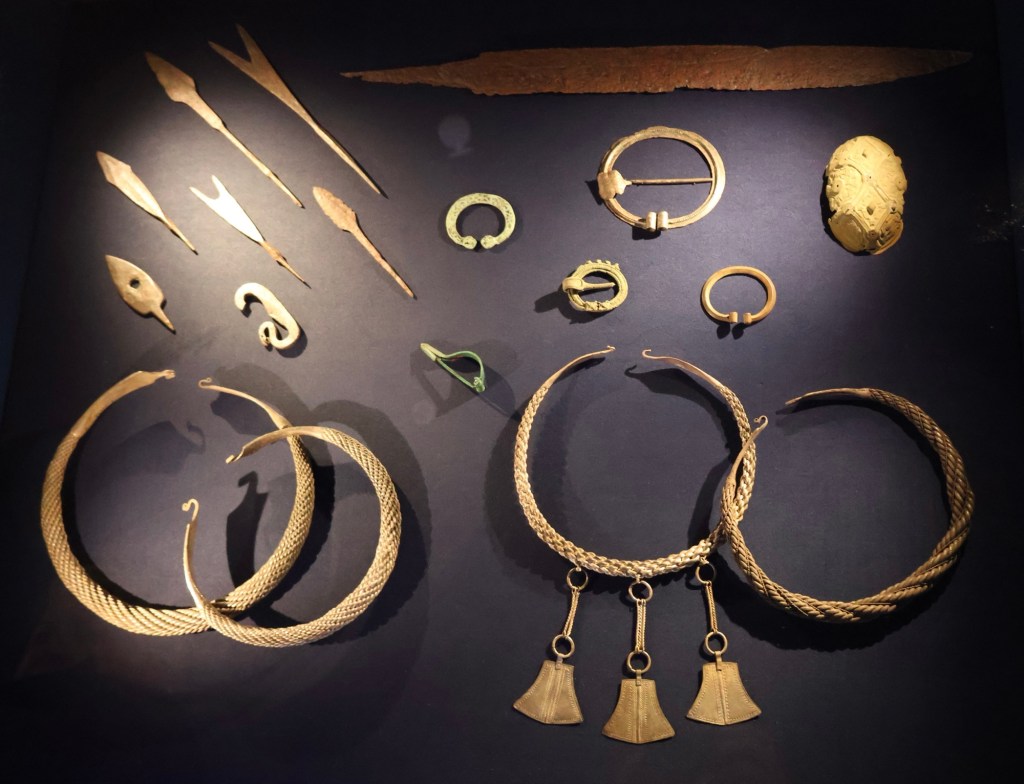
The museum also has a large section devoted to the nature in Sapmi, which feels natural as it is hard to get any understanding of the Sami culture or lifestyle without also understanding the environmental and ecological conditions that shaped their culture into what it is today.
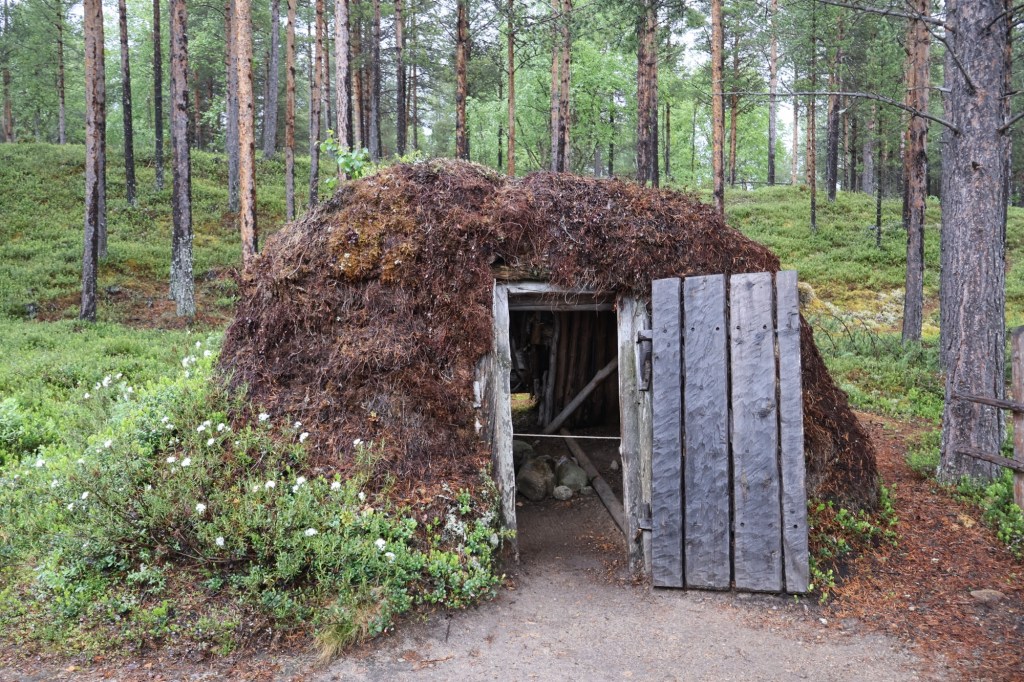
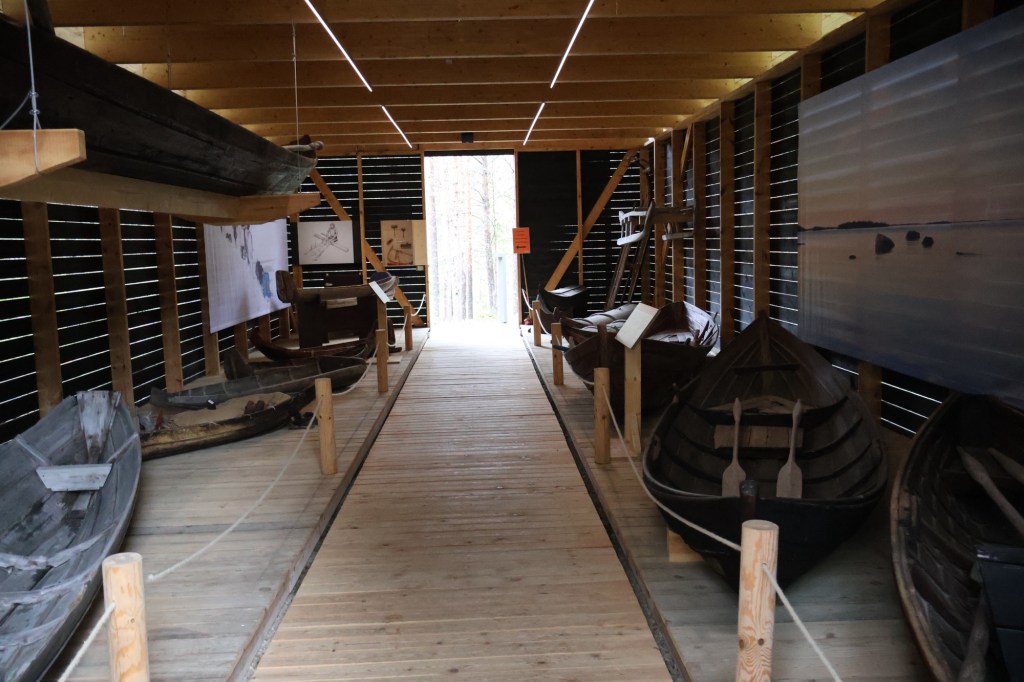
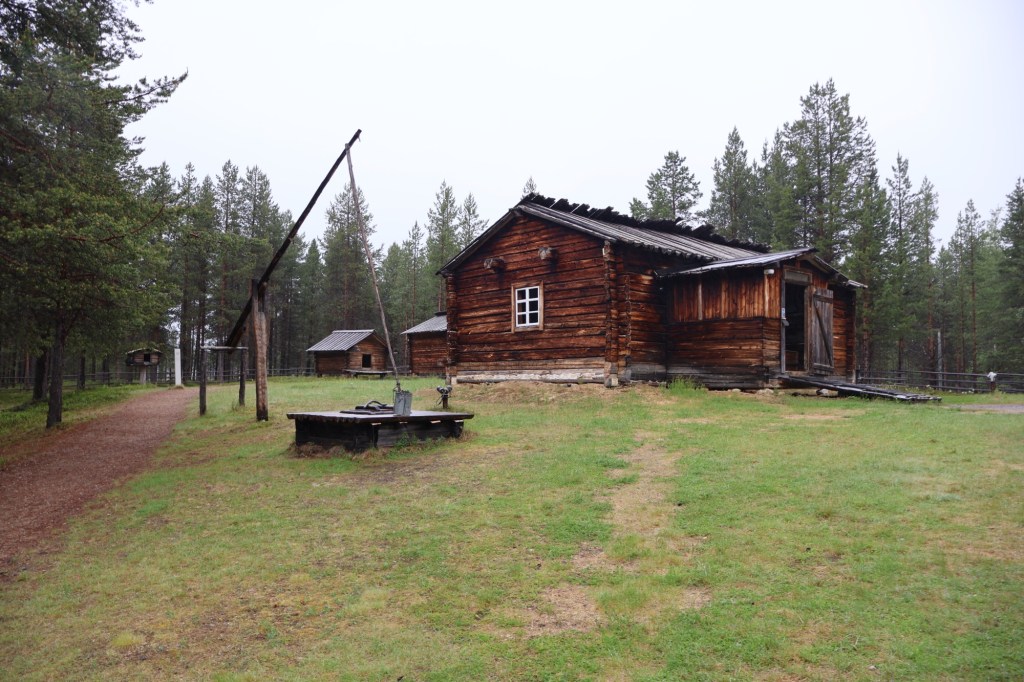
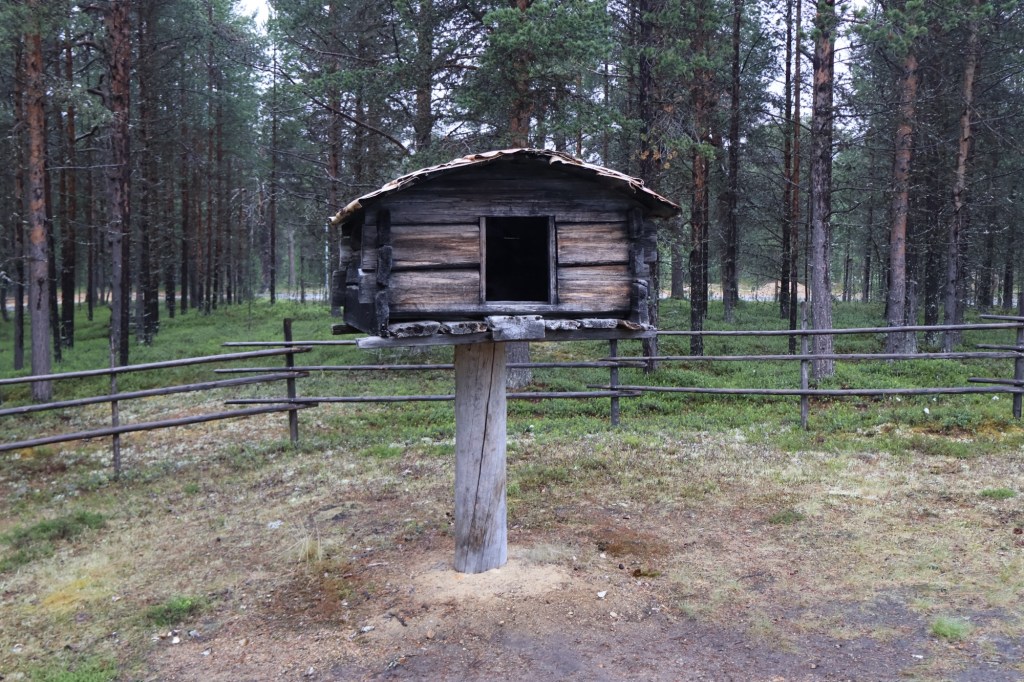
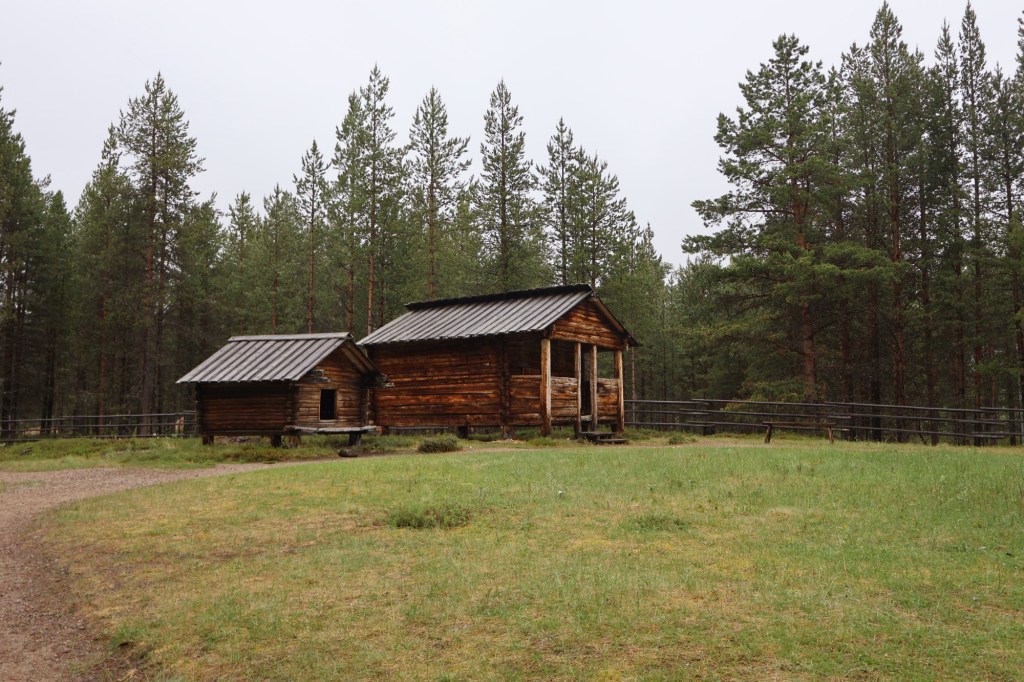
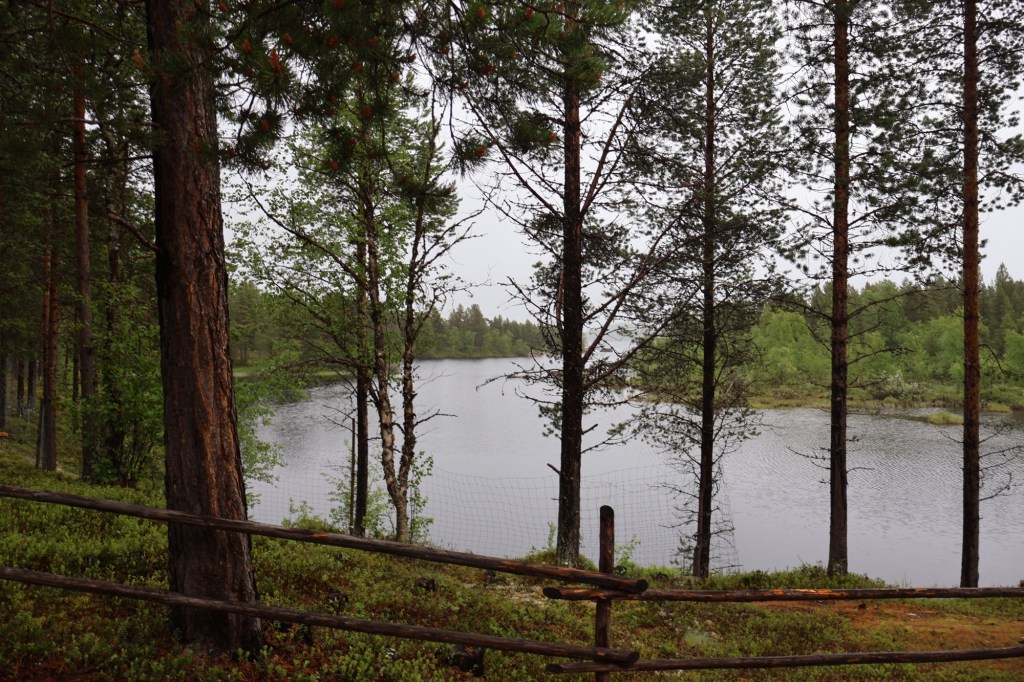
A large part of the museum is a open air museum where visitors can enter genuine buildings that has been collected here. All placed along a walking trail that also offers spectacular views over Lake Inari.

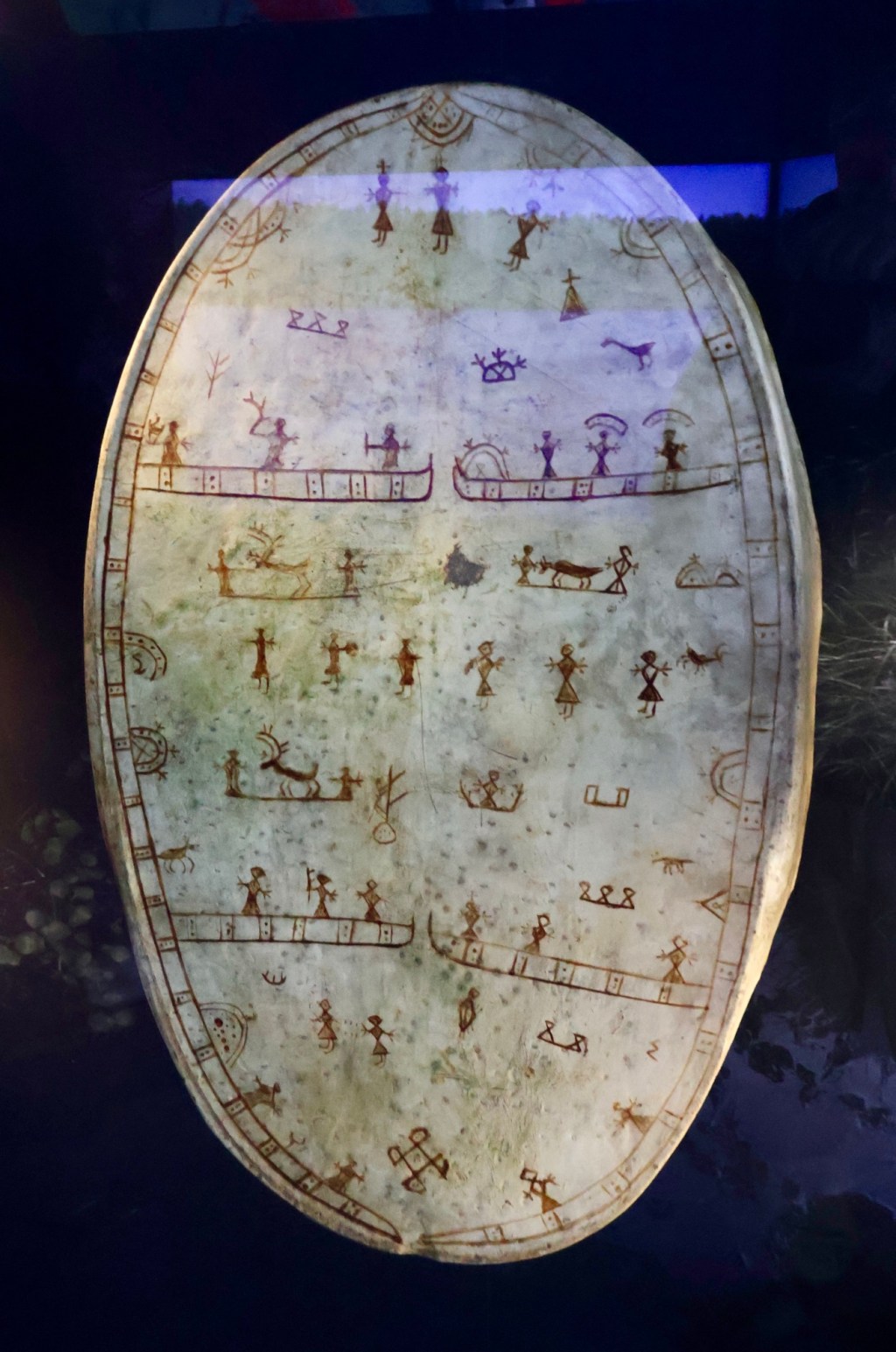
Some highlights from the exhibitions that I particularly enjoyed was the large drum that is on loan here from Nordiska Muséet in Stockholm waiting for it to be repatriated to this museum permanently.

The drum was originally stolen by priests active in the area as a way to stamp out the Sami traditional beliefs. Most drums were burned. The drums in this area are special even compared to other Sami drums because of their much larger size.

There are only two originals still in existence. This one and another one that was stolen and it is in the collections of a German museum that to this date have not returned it.
This museum is special as it is a Sami museum that is run by Sami people. Which gives an insider’s perspective on their culture. As opposed to museums in southern Scandinavia and other parts of the world that only gives an outsiders perspective.


All information at this museum are available in a variety of languages, three different Sami languages as well as Swedish, Finnish and English making it an enjoyable experience for foreign visitors like myself. My impression is that this museum is one of the better ones in the region so it is well worth a visit for anyone that is passing by Inari.

If you are traveling in the area there is also a Skolt Sámi Cultural Centre in Sevettijärvi that is run by the Sami museum that I might write about in a future post.



 Fornminnen
Lämna en kommentar