
En svensk version av inlägget finns nedanför den engelska texten.

English:
The Prussian Hags of Gdansk
This summer, I made a quick visit to Gdańsk, Poland. The plan was to visit the archaeological museum there. Unfortunately, the museum was closed for renovations. Luckily, the museum wasn’t the only reason for my visit.
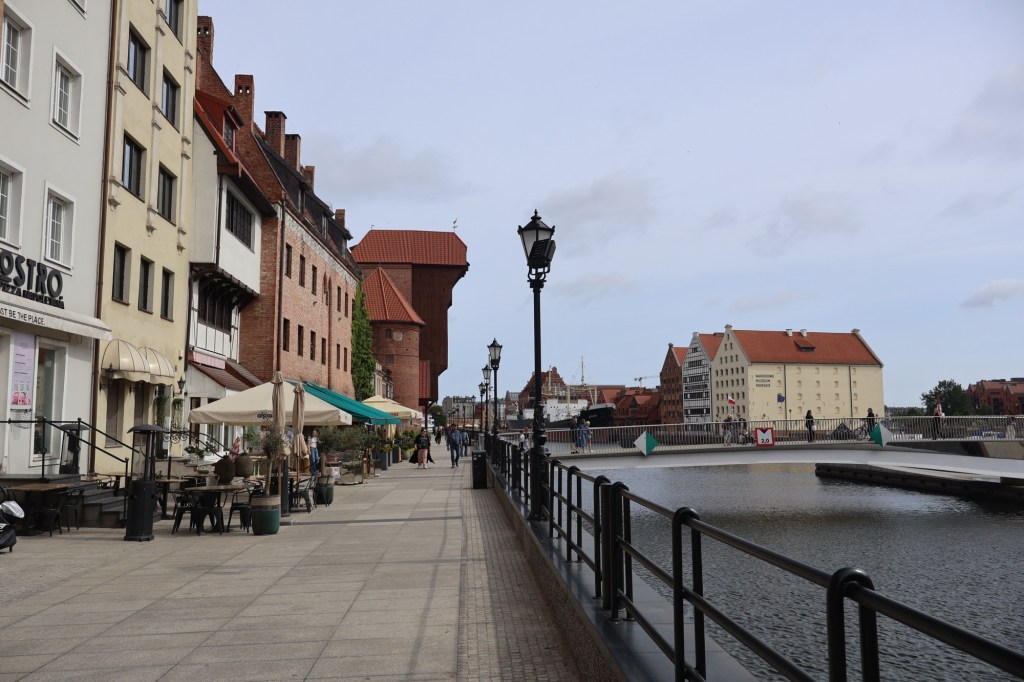
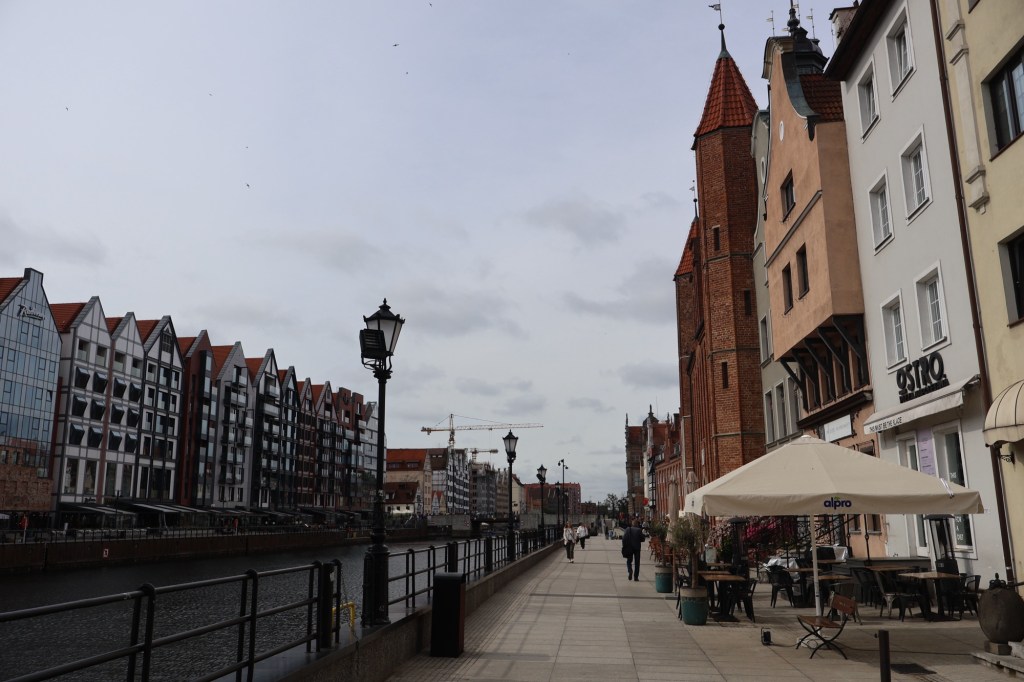
The goal was also to see some unusual anthropomorphic stone statues located just outside the museum, facing the Motława River.

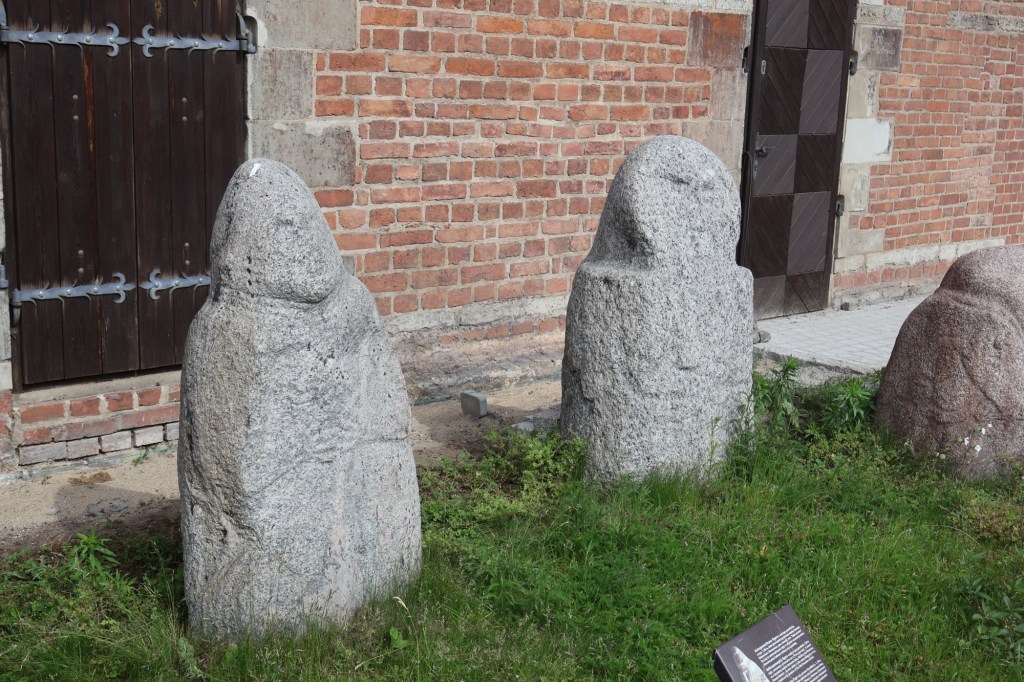
The five statues are so-called Prussian Hags, or Stara Baba Pruska as they are known locally. They do not stand in their original locations but have been relocated here from various places in northern Poland.
They originally stood in areas inhabited by the Old Prussians, a pagan people who spoke the West Baltic Prussian language. They were Christianized as late as the 13th century during the Baltic Crusades by the Teutonic Order.
The statues, which in fact do not depict witches, are often found at crossroads and as tribal boundary markers. However, according to recent research, this was probably not their original placement.
At the same time, boundary areas—often wetlands or other land unsuitable for farming—seem to have been considered appropriate for cult sites. Such locations were kept separate from places of trade, and the risk of disturbing a sacred site was reduced if it was not on arable land. Therefore, it remains uncertain whether they might indeed have originally stood in such locations.

More recently, a newly discovered statue was found in situ at its original cult site in Poganowo.
Most experts believe they were made sometime between the 8th and 13th centuries.
Many of the statues often carry a drinking horn, a scepter, or a weapon, sometimes accompanied by clothing, belts, jewelry, and so on.
Scholars have tried to interpret them symbolically: statues with weapons representing war, those with horns symbolizing abundance, and those with scepters signifying power.
As mentioned earlier, they are not witches, even though the word baba literally means “witch.” Despite this, several of the statues are clearly male, with beards and mustaches.
The word baba is of Turkic origin, where it means “prominent man” or “ancestor.” Similar statues exist on the steppes of the Black Sea region. The word entered the Polish language as a loanword.
There are many different theories about the purpose of these stones: they may have been memorial stones for graves, representations of gods, or depictions of heroes considered important.
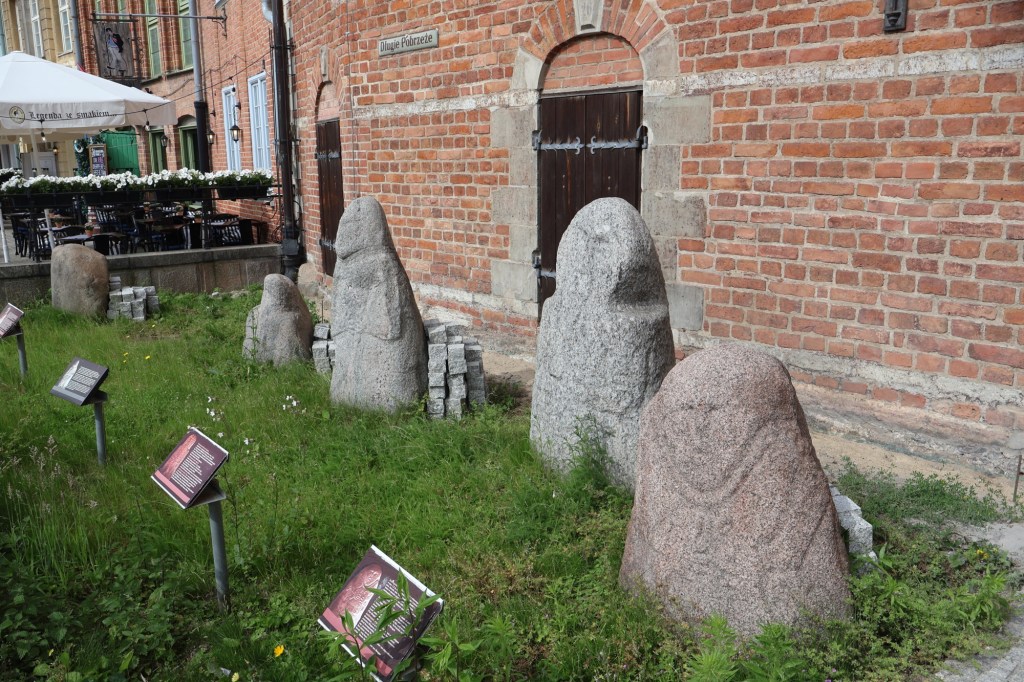
Some later sources describe how the Prussians created idols during harvests, which they then worshipped. These were probably wooden and have not survived. It is possible that the stone statues served the same purpose.
If they represent gods, they may correspond to those mentioned in medieval sources, with names such as Potrimpos/Natrimpe, Perkun, and Patollo.
Below, I will present the three statues from left to right:

The first statue is in poor condition and heavily worn. It was found in Czarnówka atop a skeletal grave and is dated, according to the information plaque, to 100–200 CE.
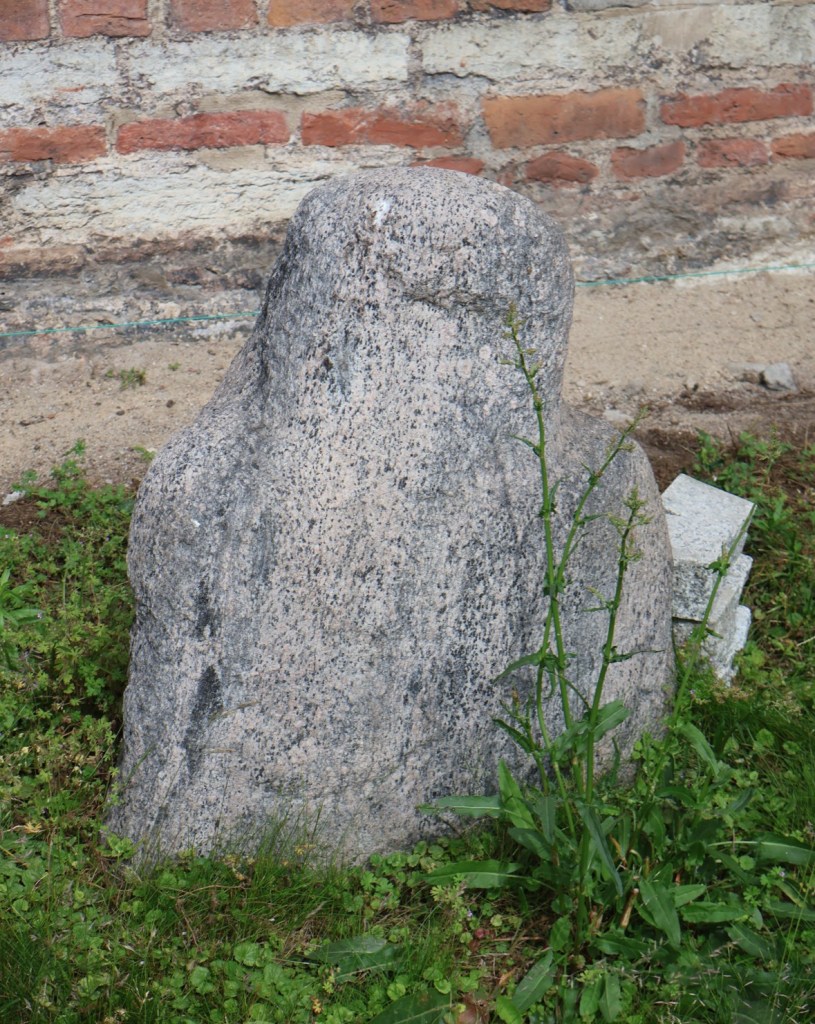
The second statue is about one meter tall and made of granite. It was found on the border between Gałdowo and Jędrychowo. The stone is mentioned in writing in 1401 as a holy stone.
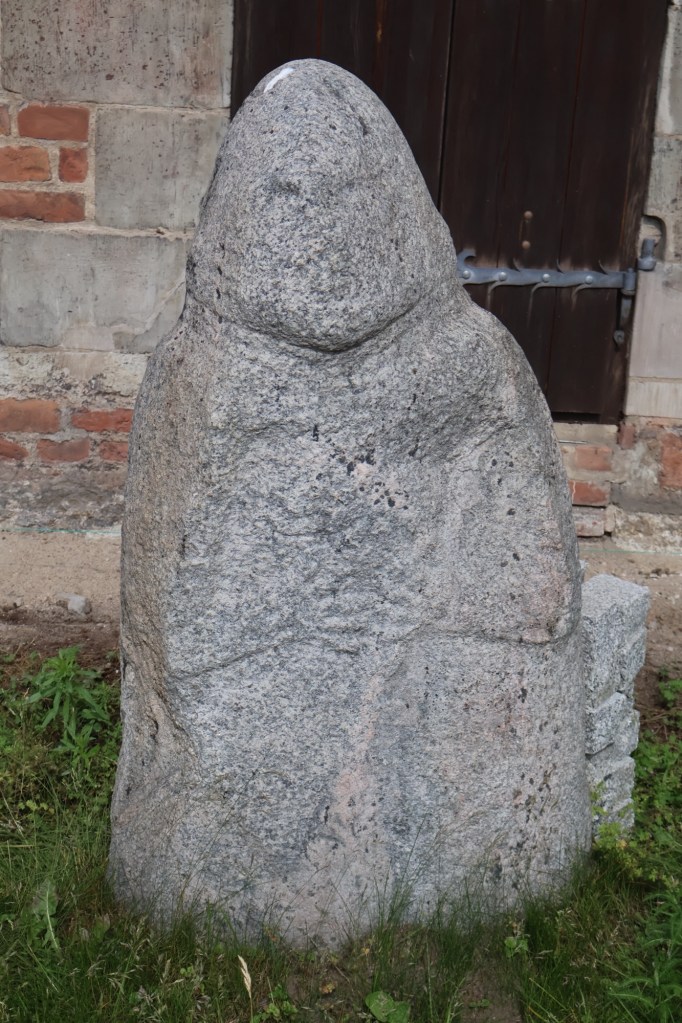
The third statue is 1.38 meters tall and made of granite. It marked the boundary between the districts of Susz, Rożnów, and Bronowo.
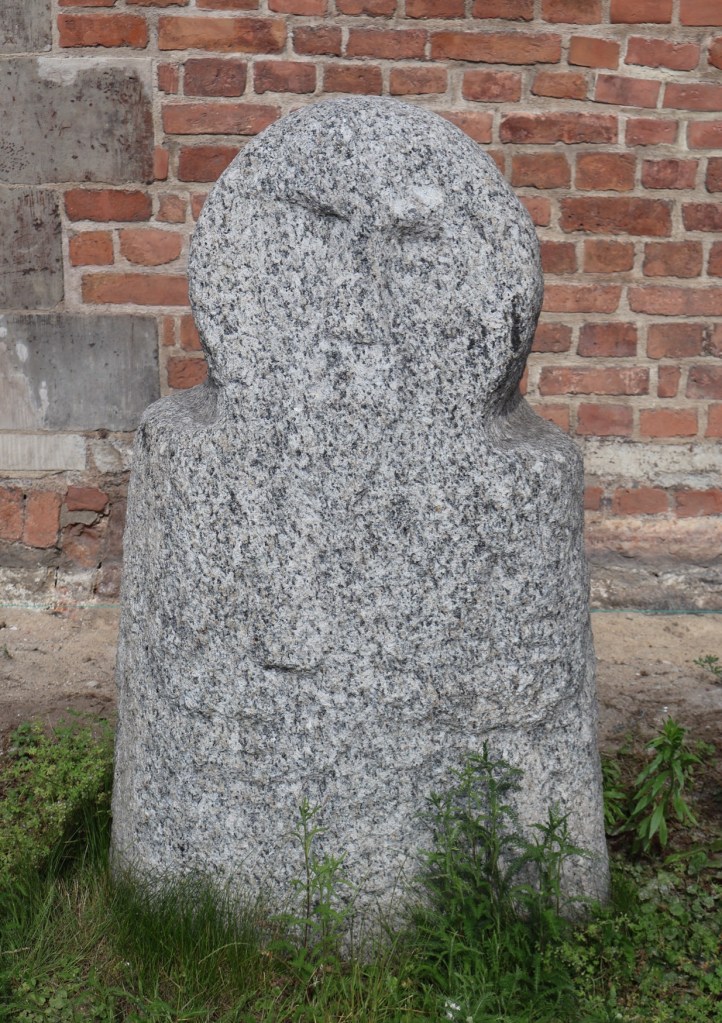
The fourth statue is also made of granite and stands 1.5 meters high. It originally marked the boundary between the districts of Susz and Nipków. Locally, this statue was called Mönch, meaning “monk.”

The fifth and final statue, unlike the others, is made of pink granite. It is 1.3 meters tall and was found on the border between Laseczno and Mózgów. Locally, this statue is known as Gotteslästerer aus Mosgau, which translates as “The Blasphemer from Mózgów.”
Svenska:
De Prusiska häxorna i Gdansk
I somras gjorde jag en snabbvisit till Gdansk i Polen. Tanken var att besöka det arkeologiska museet där. Tyvärr visade det sig att museet var stängt på grund av renoveringar. Som tur var, var inte museet det enda syftet med mitt besök.
Målet var också att besöka några ovanliga antropomorfa stenstatyer som står placerade precis utanför museet vända mot floden Mòtława.
De fem statyerna är så kallade Preussiska häxor eller Stara Baba Pruska som de kallas lokalt. De står inte på sin ursprungliga plats utan har flyttats hit från olika håll i norra Polen.
De har ursprungligen stått i områden som varit bebyggda av de gamla Pruserna, ett hedniskt folk som talade det västbaltiska språket Prusiska.
De kristnades under de baltiska korstågen av den Tyska Ordern så sent som på 1200 talet.
Statyerna som faktiskt inte föreställer några häxor hittas ofta vid vägkorsningar och gränser mellan olika stammars områden.
Detta är troligtvis inte deras ursprungliga plats enligt nyare forskning.
Samtidigt verkar gränsmarker som ofta utgjordes av våtmarker och annan mark som inte användes för jordbruk ha ansetts lämpliga för kultplatser. Man ville skilja dem från platser där handel företogs och risken att en kultplats stördes minskades om det inte var anlagd på jordbruksmark. Så det blir osäkert om det faktiskt inte var så att de ursprungligen stod där.
Samtidigt har man hyfsat nyligen hittat en ny staty som stod in situ på sin ursprungliga plats vid en kultplats i Poganowo.
De flesta experter anser att de tillverkats någon gång mellan 700-1200 talen.
Många av statyerna bär ofta ett dryckes horn, spira eller vapen. Ibland med kläder bälten smycken mm.
Man har försökt tolka dem så att de statyer som har vapen står för krig, de med horn överflöd och de med en spira, makt.
De är som tidigare nämnts inte häxor, även om ordet Baba betyder just häxa. Trots det är flera av statyerna tydligt män, med skägg och mustasch.
Ordet baba är av turkiskt ursprung och betyder där framstående man eller förfader. Liknande statyer finns på stäppen vid svarta havet. Ordet har blivit ett låneord till polskan.
Det finns många olika teorier om syftet med stenarna och de kan ha varit minnes stenar vid gravar, gudar eller föreställa hjältar som ansetts viktiga.
Vissa senare källor beskriver att Pruser skapade idoler vid skörd som de sedan tillber. Dessa var troligen av trä och är inte bevarade. Det finns en möjlighet att dessa statyer hade samma syfte.
Om de föreställer gudar så kan det röra sig om de som nämns i medeltida källor med namn som Potrimpos/Natrimpe, Perkun och Patollo.
Här nedan tänkte jag närmare presentera de tre statyerna från vänster till höger.
Den första statyn är i dåligt skick och mycket sliten. Den hittades i Czarnówka ovanpå en skelettgrav och enligt informationsskylten så är den daterad till 100-200 e.fkr.
Den andra statyn är ca en meter hög och tillverkad av granit. Den hittades på gränsen mellan Gałdowo och Jędrychowo. Stenen omnämns i skrift 1401 som en helig sten.
Den tredje statyn är 1,38 meter hög och tillverkad av granit. Den stod som gräns mellan distrikten Susz, Rożnów och Bronowo.
Den fjärde statyn är även den tillverkad av granit och mäter 1,5 meter i höjd. Den stod ursprungligen på gränsen mellan distrikten Susz och Nipków. Lokalt kallades denna staty för Mönch som betyder munk.
Den femte och sista statyn är till skillnad från de övriga tillverkad av rosa granit. Den är 1,3 meter hög och hittades på gränsen mellan Laseczno och Mózgów. Lokalt är denna staty känd under namnet Gotteslästerer aus Mosgau som översatt betyder Kättaren från Mózgów.
 Fornminnen
Lämna en kommentar