Kategori: Museum
-
Advent calendar Flap 4, the Konsterud Horn
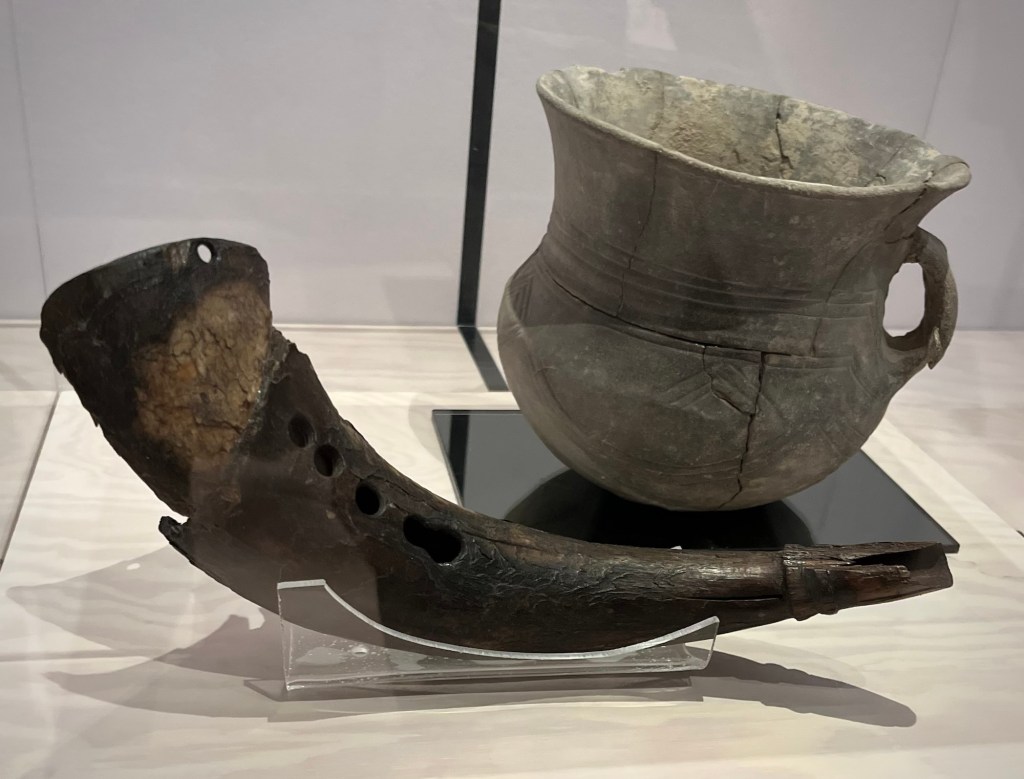
Flap 4Behind flap 4 of the Advent calendar we find the Konsterud Horn. This horn is a so-called vallhorn, a type of blowing instrument that in Sweden represents a living tradition with roots stretching back thousands of years. The Konsterud Horn was made sometime around the year 0, making it nearly 2,000 years old and…
-
Forshem Church

Swedish translation below. This spring, I visited Forshem Church, about four kilometers east of Hällekis in Västergötland, Sweden. This is not my first visit to this unique medieval church, built in 1135 from sandstone. The church has been dated through dendrochronological studies of the roof trusses, which visitors can examine inside the church where they…
-
Eketorp Borg

English version below the Swedish text. Under årets resa till Öland så stod ett återbesök till fornborgen Eketorp högt på min lista. Jag var där för ca 13 år sedan när jag studerade Hållbar Turismutveckling på Högskolan i Halmstad. Vi besökte borgen då den är ett mycket gott exempel på hur man kan levandegöra kulturarvet.…
-
The Cammin Chest

This is a plaster of Paris copy of the Viking Age chest known as the Cammin Chest. The original was once located in Kungälv/Kongahälla on the west coast of what is now Sweden. In 1131 it was stolen in a raid by the Vends and it was later housed in a monastery in Cammin in…
-
Hallstatt Salt Mines

Last summer I went on a roadtrip in Central Europe, traveling by campervan. When I was traveling through the Austrian alps i realized how close I was to Hallstatt. A place I knew from several documentaries abut the amazing Celtic Broze Age finds made there, so I just had to make a stop. The small…
-
Jelling

Jelling is mostly famous for the rune stone with the same name, the Jelling stone. But this place is more than just a stone, it is in some ways the place where the kingdom of Denmark was born. Jelling is located on central Jutland, in Denmark and the site is a UNESCO World Heritage Site.…
-
Lofotr Viking Museum
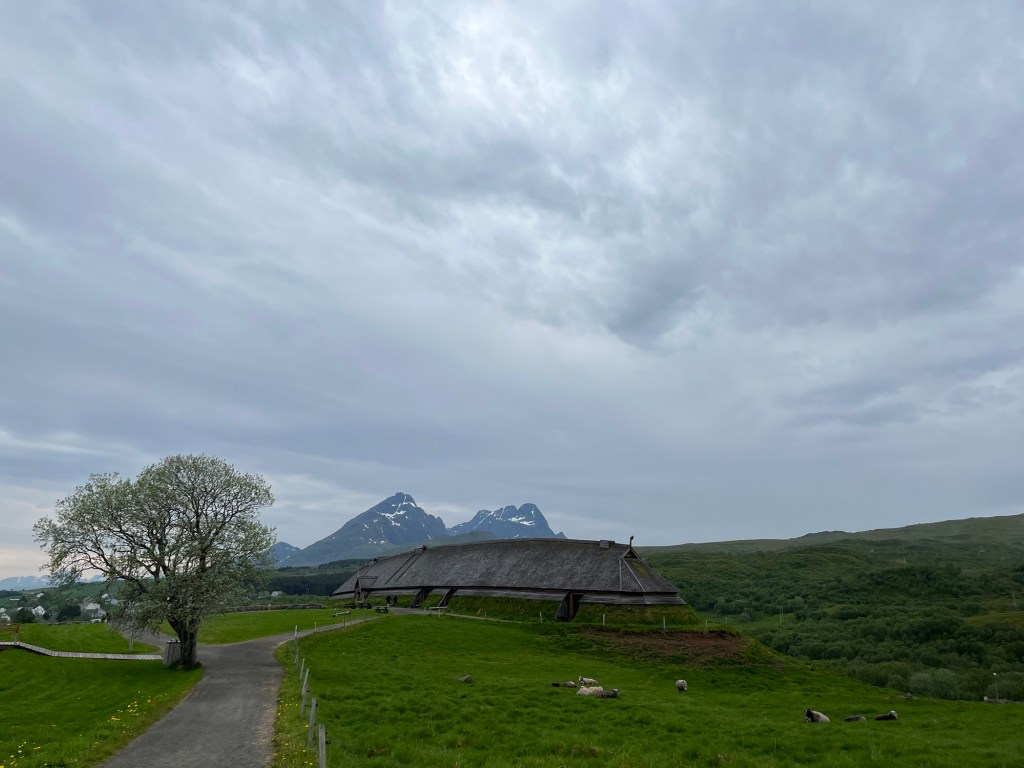
At Lofoten in northern Norway lies the farm of Borg. In 1981 the farmer there was ploughing his fields discovered the remains of a settlement. Archeologists were called in from the University of Tromsø. They soon realized that this was no site of only local interest. Between 1986-89 a Nordic research group was formed that…
-
The Rock Art at Alta

This summer i visited the UNESCO world heritage site of Hjemmeluft in Alta, Nothern Norway. The wider area of Alta made it on the list in 1985 and the rock carvings or petroglyphs here was by then fairly newly discovered. The first ones were discovered in 1973. There are a total of around 6000 different…
 Fornminnen