Etikett: Öland
-
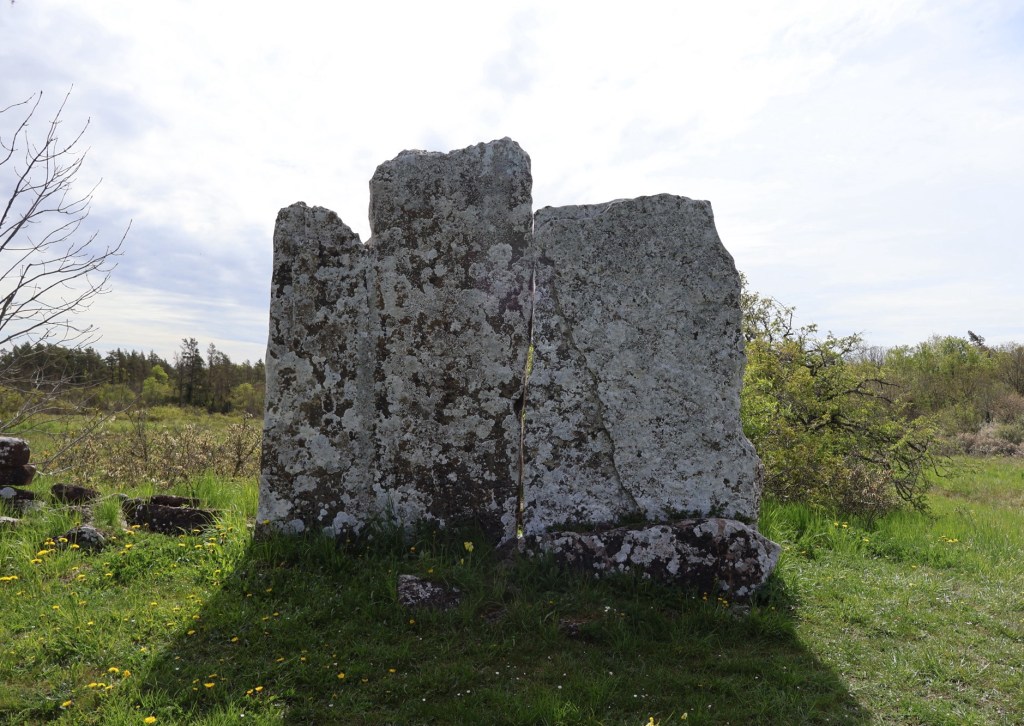
Advent calendar Flap 2, the Bautasten in Runsten
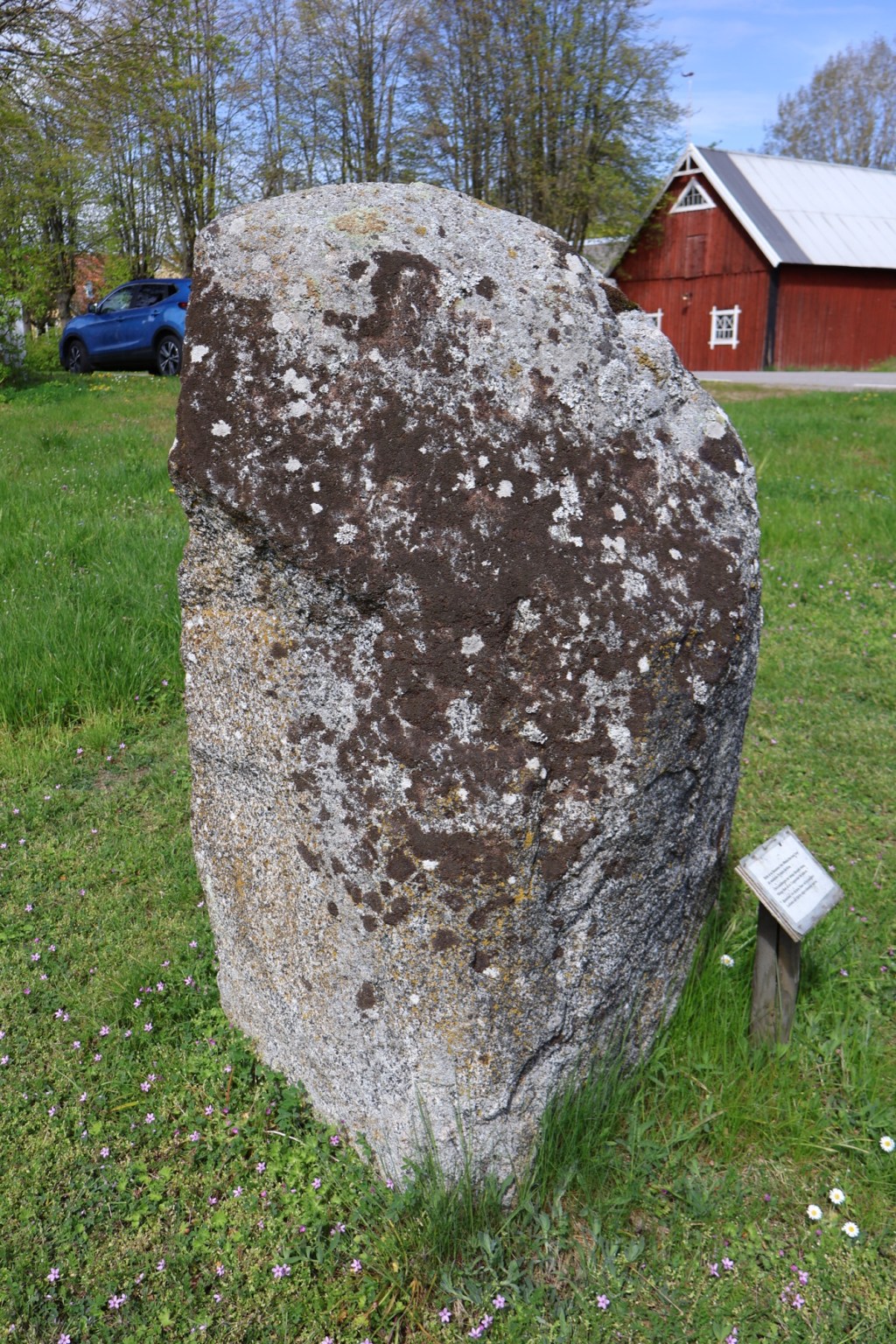
Flap 2Behind flap number two in the Advent calendar hides the Bautasten in Runsten on the island of Öland. A bautasten is a type of standing stone that is known in other parts of Europe as a menhir. The word bautasten comes from the Old Norse bautarsteinn or bautasteinn. Bauta meant “to strike,” perhaps referring…
-
Tingsflisan

En svensk version av texten finns längre ner på sidan. English: Just southeast of Köpings Church in Köpingsvik, on the Swedish island of Öland, the Tingsflisa rises towards the sky atop a mound. ”Flisa” (Shard) is a dialectal word for erected limestone stones, like the runestone inscribed here. This is indeed a runestone designated Öl…
-
Eketorp Borg

English version below the Swedish text. Under årets resa till Öland så stod ett återbesök till fornborgen Eketorp högt på min lista. Jag var där för ca 13 år sedan när jag studerade Hållbar Turismutveckling på Högskolan i Halmstad. Vi besökte borgen då den är ett mycket gott exempel på hur man kan levandegöra kulturarvet.…
-
Ebberskog Crusader Village

I was driving down a very small road in a beautiful deciduous forest with small meadows here and there. I had read that this was the location of a village that was abandoned long ago. We are now on the island of Öland along Swedens Baltic coast. The village is located north east of the…
-
The Seby Runestone
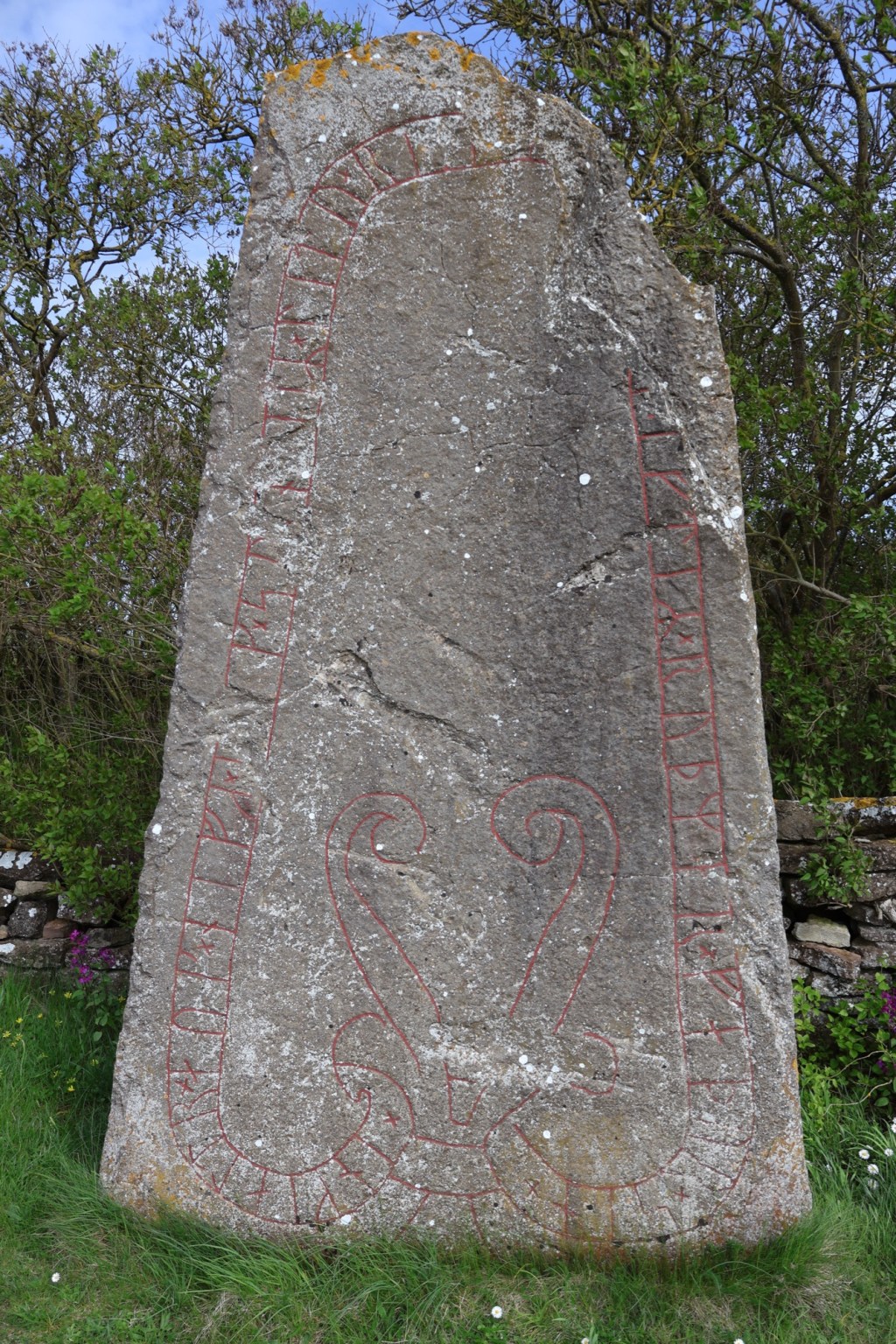
I spotted this massive runestone Whitley drivning down a small countryside road in Seby on southern Öland, a large island off the eastern coast of Sweden in the Baltic Sea. Right in front of the stone that has the signum ÖL 18 there is a perfect area to stop with the car for a rest.…
-
Skedemosse Sacrificial Bog

This is a place where much of what once happened here isn’t visible to the naked eye. Even so this place is crucial in understanding Scandinavia during the Iron Age. We are now on the island of Öland of the Eastern coast of Sweden in the Baltic Sea. Mosse that makes up the second part…
-
The Painted Runestones in Köpingsvik
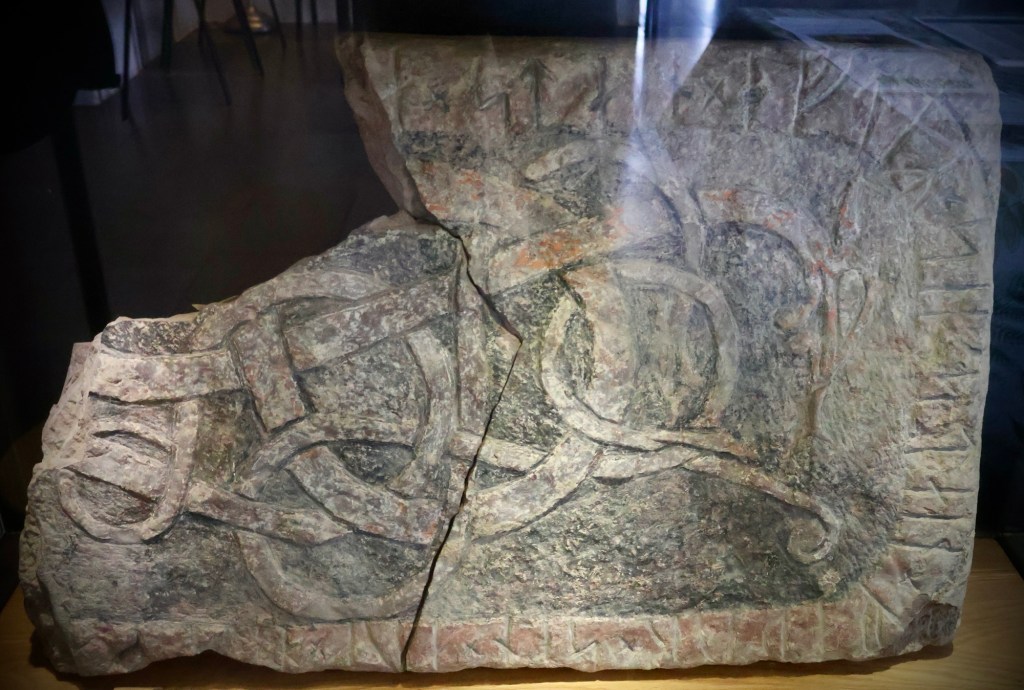
During my last visit to the island of Öland along Swedish east coast in the Baltic Sea I decided to visit the collection of runestones and fragments housed in Köping Church. Köpingsvik during the Viking Age was one of the most important marketplaces in this part of the Baltic Sea. This is obvious from the…
-
Gamla Skogsby
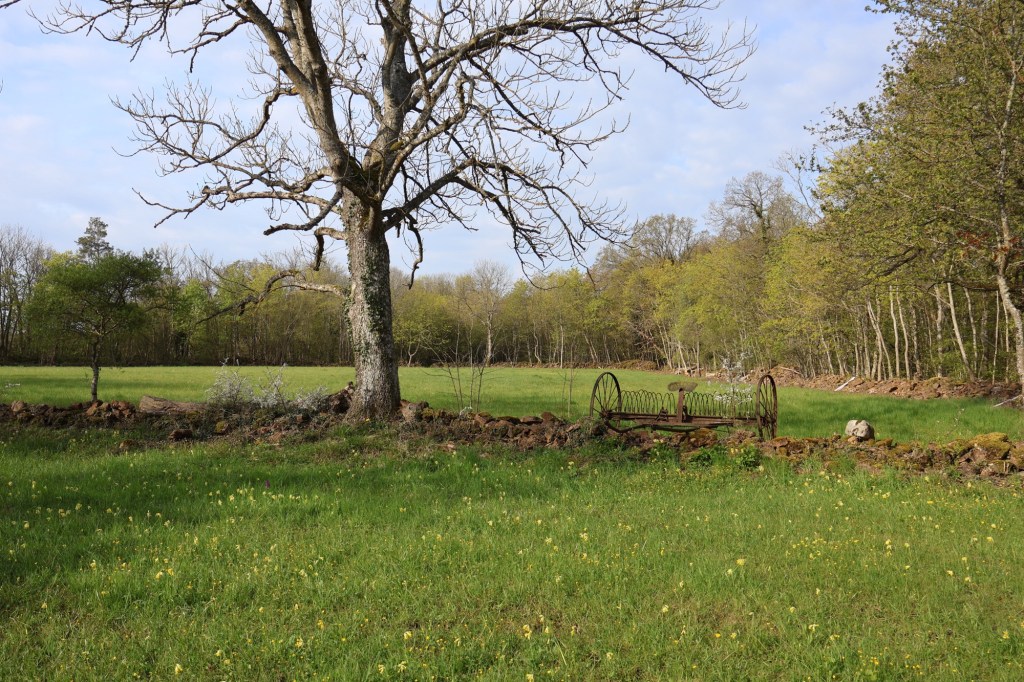
Gamla Skogsby (old forest village) is located on the island of Öland in the Baltic Sea, the second largest island in Sweden. The site lies close to the village of Skogsby and 5km from the small town of Färjestaden. Even though this place is easily found on google maps, it was surprisingly hard for me…
-
Rönnerum Ancient Village

Rönnerum is located on the Swedish island of Öland in the Baltic Sea, halfway between the towns of Borgholm and Färjestaden. You can hike here on a trail that also connects with Odens Flisor from my last post and the well known Iron Age ring fort Ismantorp. I chose however to drive there in my…
-
Odens Flisor
During my recent trip to the Swedish island of Öland I visited a small grave field in Högsrum, near Borgholm. It contains around 40 graves dating to the Iron Age. Around six of these graves have been excavated in the beginning of the 20th century. The archaeological excavation resulted in human remains and some everyday…
 Fornminnen