Etikett: Sweden
-
Advent calendar Flap 5, the Stala Pickaxe

Flap 6 Behind flap 6 in this year’s Advent calendar is the so-called Stala Pickaxe. It was found on the island of Orust in Bohuslän, Sweden and received its name from Stala parish, where it was discovered in 1857. In 1867 it was displayed at the World Exhibition in Paris, and a few years later…
-
Advent calendar Flap 4, the Konsterud Horn
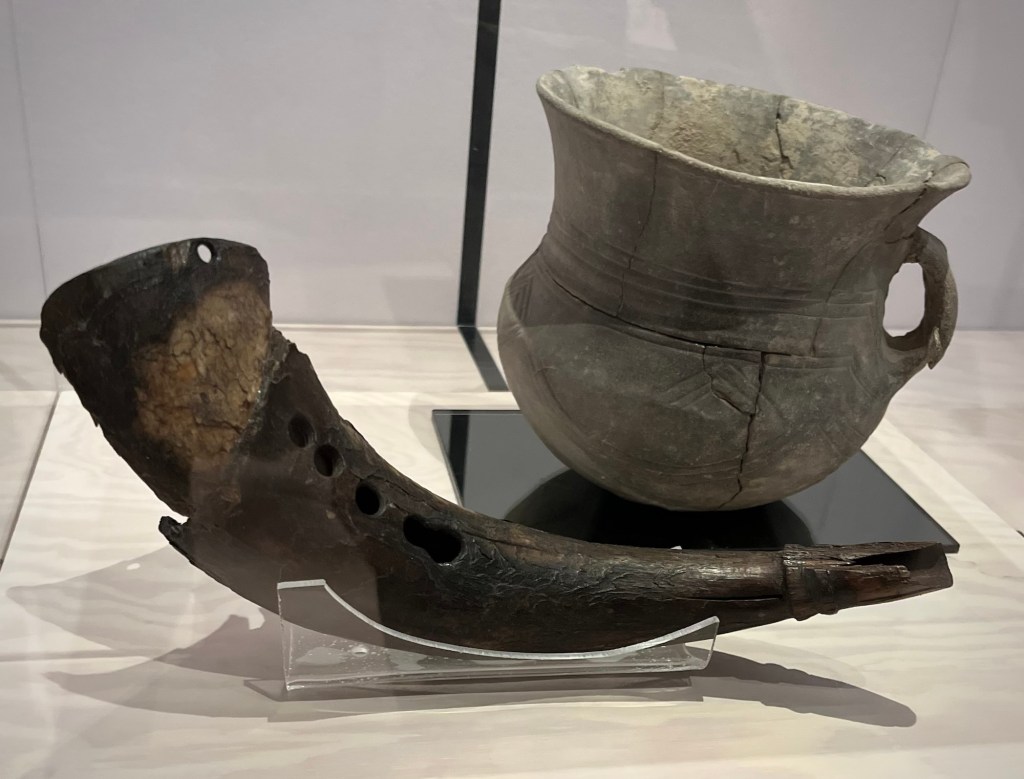
Flap 4Behind flap 4 of the Advent calendar we find the Konsterud Horn. This horn is a so-called vallhorn, a type of blowing instrument that in Sweden represents a living tradition with roots stretching back thousands of years. The Konsterud Horn was made sometime around the year 0, making it nearly 2,000 years old and…
-
Advent calendar Flap 2, the Bautasten in Runsten
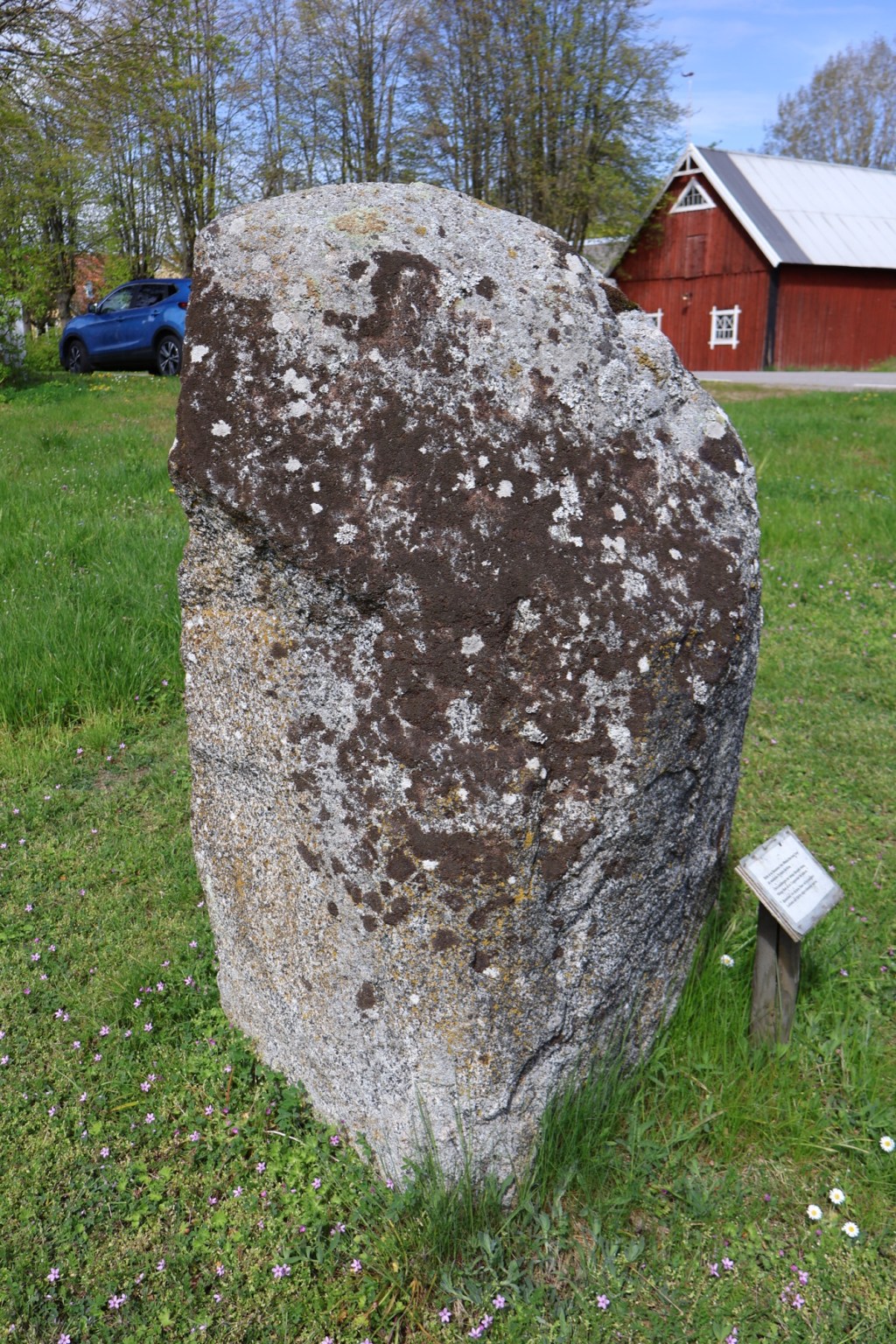
Flap 2Behind flap number two in the Advent calendar hides the Bautasten in Runsten on the island of Öland. A bautasten is a type of standing stone that is known in other parts of Europe as a menhir. The word bautasten comes from the Old Norse bautarsteinn or bautasteinn. Bauta meant “to strike,” perhaps referring…
-
Rönnkullen
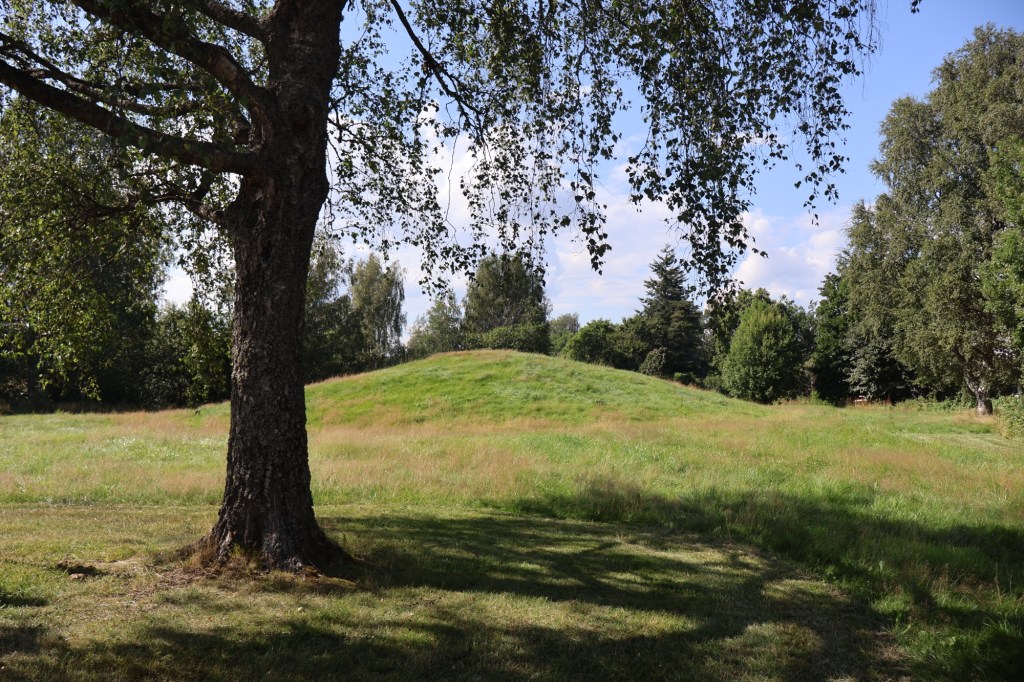
En Svensk version av texten finns nedanför den engelska. English: Rönnkullen In the center of the small Swedish village of Vålberg lies a small mound called Rönnkullen. It is a place in the province Värmland that I pass almost daily during the summer since I live nearby. So it’s a bit strange that it has…
-
Tingsflisan

En svensk version av texten finns längre ner på sidan. English: Just southeast of Köpings Church in Köpingsvik, on the Swedish island of Öland, the Tingsflisa rises towards the sky atop a mound. ”Flisa” (Shard) is a dialectal word for erected limestone stones, like the runestone inscribed here. This is indeed a runestone designated Öl…
-
The Pittfall traps at Västanbäck-Kortingön
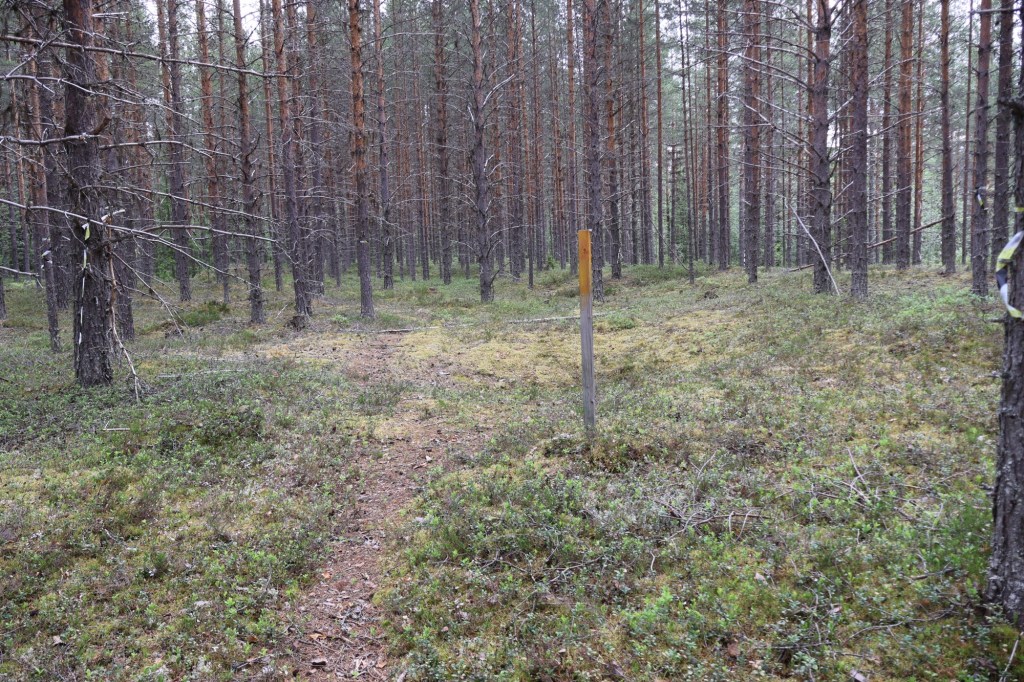
En svensk version av texten finns under den engelska. English: The Pittfall traps at Västanbäck-Kortingön On my trip to the most northern part of Scandinavia during the summer of 2024, I chose to take a break 16 km northeast of Junsele along road 90 at a place called Västanbäck-Kortingön to stretch my legs. The driving…
-
Inglinge Hög

En svensk version av texten finns längre ner på sidan. English: Inglinge Hög A few miles south of Växjö in Sweden lies Inglinge Hög, also known as King Inge’s mound. This site has long been important and a popular stopping point when traveling between Värend and Blekinge. Inglinge Hög is the name of the largest…
-
The Skärkindstone

En svensk version av texten finns nedanför den engelska. English: The Skärkindstone At Skärkind Old Church in Östergötland County, Sweden two runestones stand, one more unusual than the other. Skärkind Old Church dates back to the 12th century and was originally built of limestone. The church is now a chapel and contains some notable artifacts.…
-
The Velanda Runestone
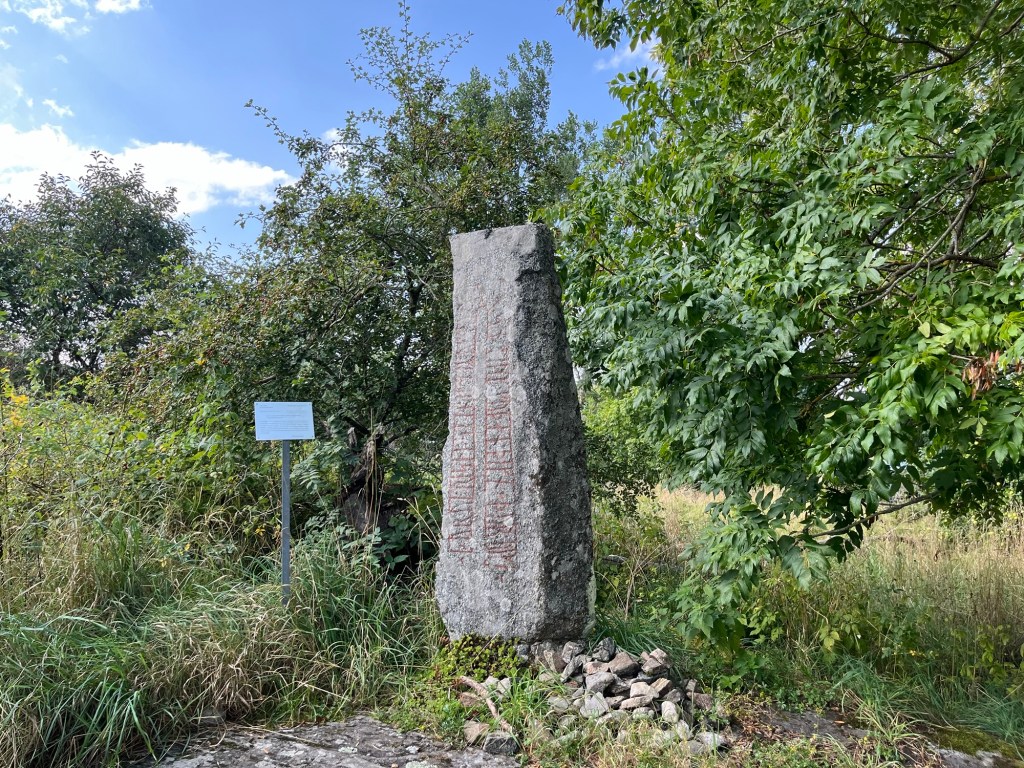
En svensk version av texten finns under den engelska. English: The Velanda Runestone May Thor Hallow!” Thus ends the inscription on this very unusual Swedish runestone. The Velandastenen, or Vg 150 as it is also known, stands by a small gravel road in Väne-Åsaka, Trollhättan Municipality. It is one of nearly 200 known runestones from…
-
The Frösö Stone
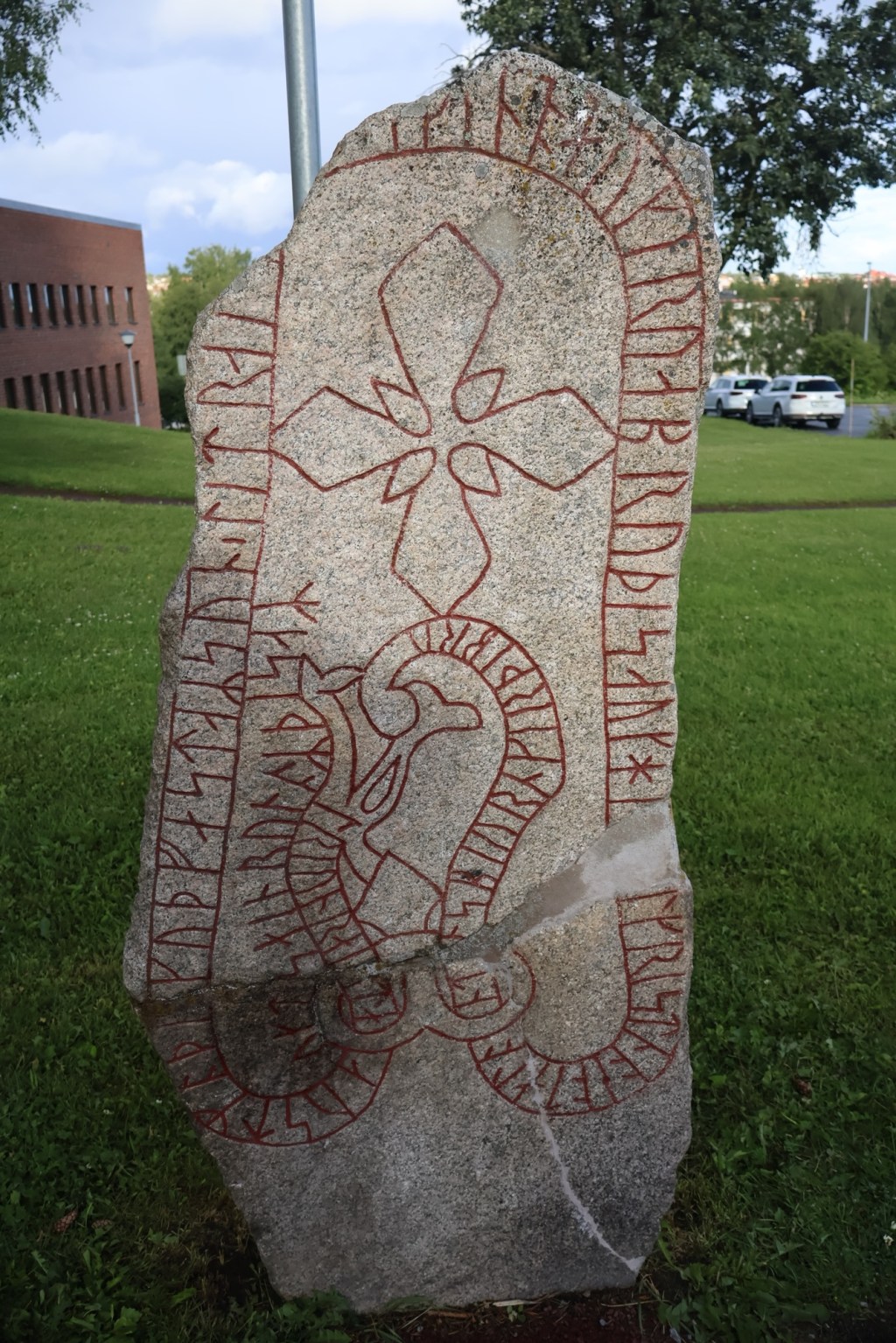
En svensk version av texten finns nedanför den engelska. Some runestones have that little extra something that makes them stand out from the rest, and the Frösö stone is no exception. This summer, I visited this runestone, which, located in Östersund on Frösön in Jämtland, is Sweden’s northernmost runestone. Frösön is an island in Lake…
 Fornminnen