Etikett: travel
-
Advent calendar Flap 5, the Stala Pickaxe

Flap 6 Behind flap 6 in this year’s Advent calendar is the so-called Stala Pickaxe. It was found on the island of Orust in Bohuslän, Sweden and received its name from Stala parish, where it was discovered in 1857. In 1867 it was displayed at the World Exhibition in Paris, and a few years later…
-
Advent calendar Flap 5, the Hedeby Mask
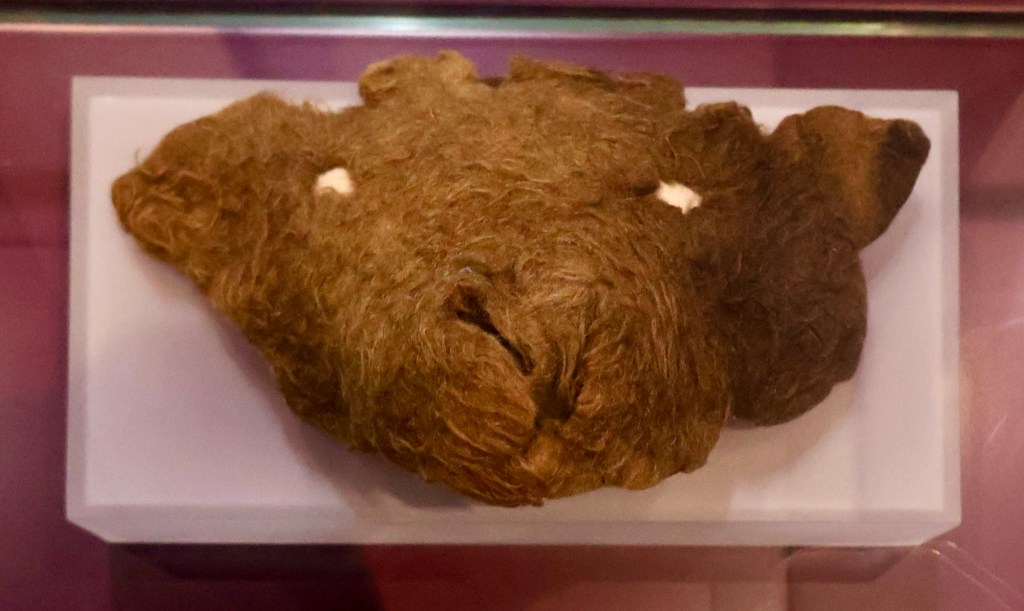
Flap 5 Behind flap 5 in the Advent calendar we find the Hedeby Mask. This mask was discovered during excavations at the Viking Age trading town of Hedeby/Haithabu. According to archaeologists, it had been reused as caulking in the hull of a Viking ship. The mask is felted from wool and shaped like an animal.…
-
Advent calendar Flap 4, the Konsterud Horn
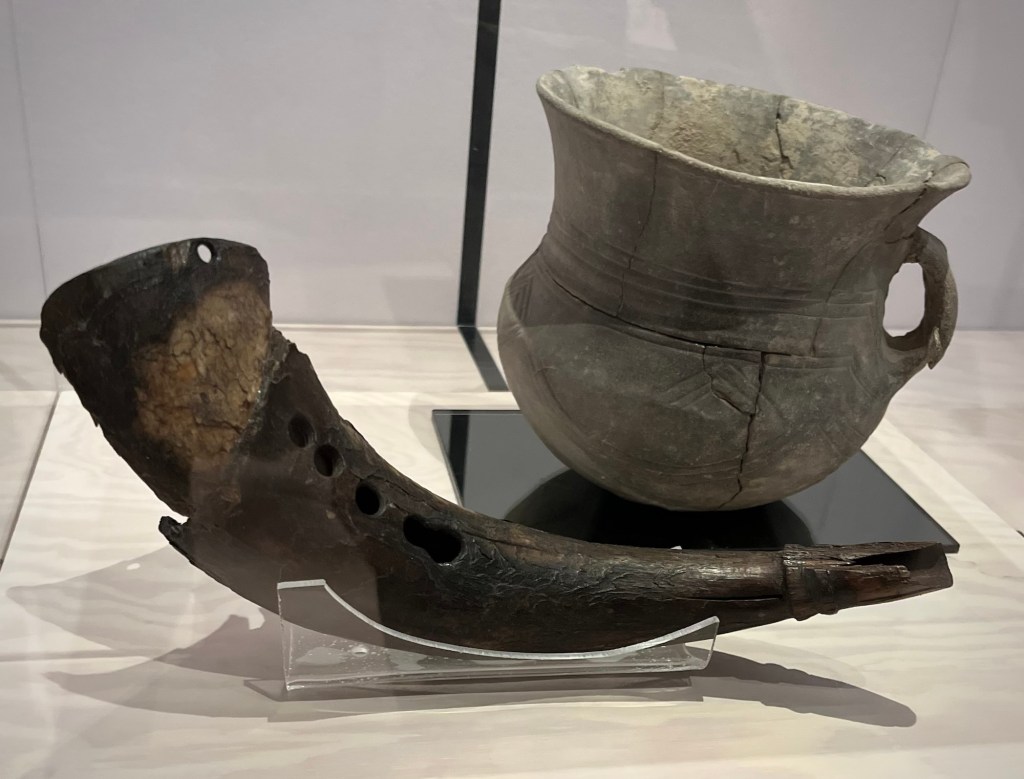
Flap 4Behind flap 4 of the Advent calendar we find the Konsterud Horn. This horn is a so-called vallhorn, a type of blowing instrument that in Sweden represents a living tradition with roots stretching back thousands of years. The Konsterud Horn was made sometime around the year 0, making it nearly 2,000 years old and…
-
Advent calendar Flap 3, the Osterby Man

Flap 3 Behind the third flap of this year’s Advent calendar is the skull of the Osterby Man. The skull was discovered in 1946 during peat cutting in Osterby, Schleswig-Holstein in Germany. It belonged to a man aged between 50 and 60. An injury indicates that he had been struck on the head before being…
-
Advent calendar Flap 2, the Bautasten in Runsten
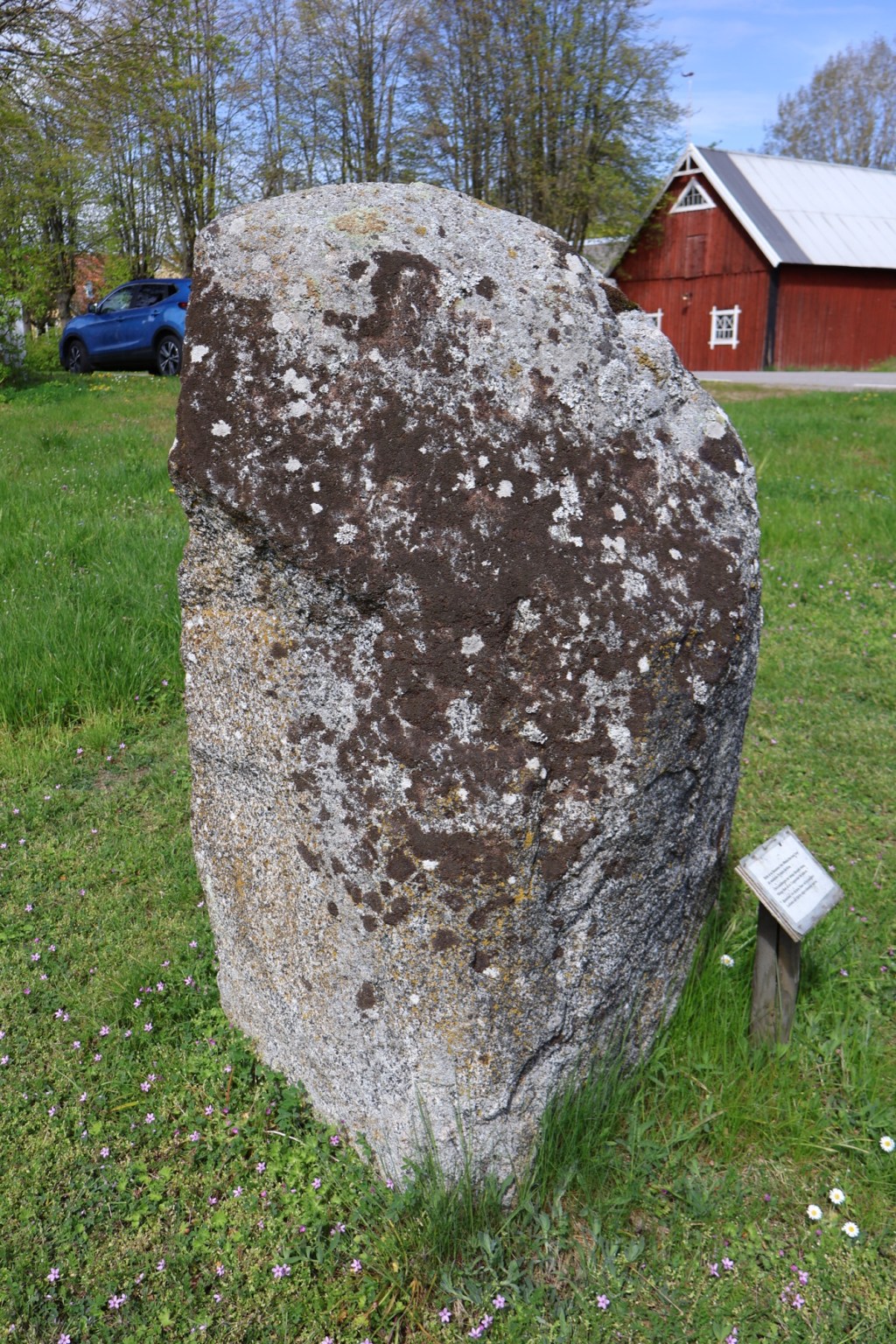
Flap 2Behind flap number two in the Advent calendar hides the Bautasten in Runsten on the island of Öland. A bautasten is a type of standing stone that is known in other parts of Europe as a menhir. The word bautasten comes from the Old Norse bautarsteinn or bautasteinn. Bauta meant “to strike,” perhaps referring…
-
Advent calendar Flap 1, Ananjino Daggers

I thought that this year I would do an Advent calendar filled with museum items and archaeological finds. Behind the first flap we find a copy of daggers that is displayed at the Arktikum Museum in Rovaniemi. The original is one of the oldest iron objects ever found in Finland.They belongs to the Ananjino culture…
-
The Prussian Hags of Gdansk

En svensk version av inlägget finns nedanför den engelska texten. English: The Prussian Hags of Gdansk This summer, I made a quick visit to Gdańsk, Poland. The plan was to visit the archaeological museum there. Unfortunately, the museum was closed for renovations. Luckily, the museum wasn’t the only reason for my visit. The goal was…
-
Rönnkullen
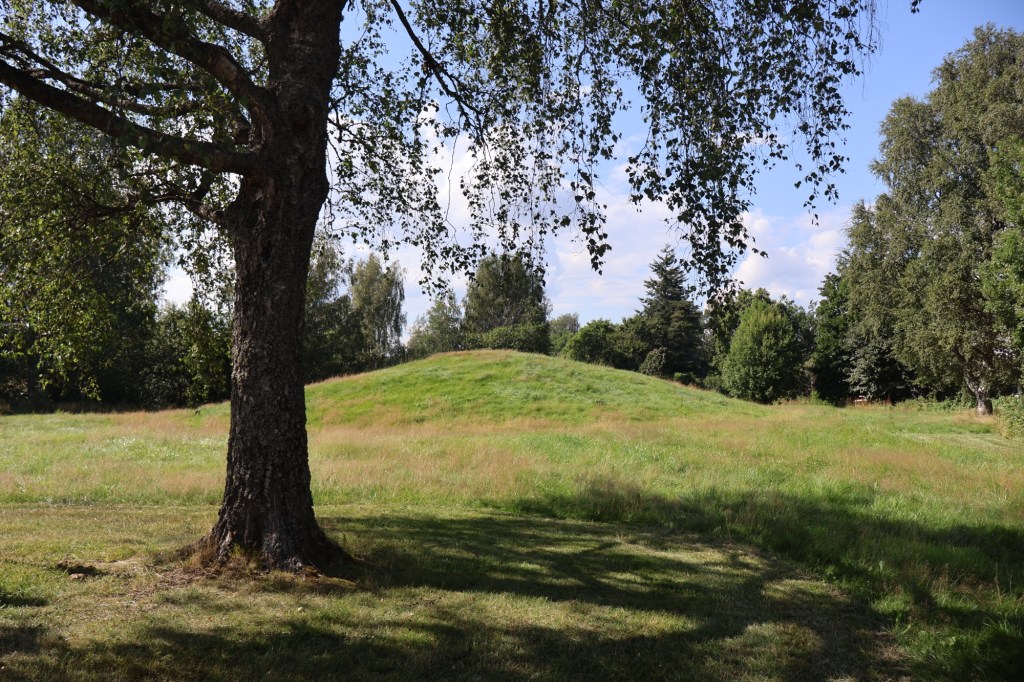
En Svensk version av texten finns nedanför den engelska. English: Rönnkullen In the center of the small Swedish village of Vålberg lies a small mound called Rönnkullen. It is a place in the province Värmland that I pass almost daily during the summer since I live nearby. So it’s a bit strange that it has…
-
Tingsflisan

En svensk version av texten finns längre ner på sidan. English: Just southeast of Köpings Church in Köpingsvik, on the Swedish island of Öland, the Tingsflisa rises towards the sky atop a mound. ”Flisa” (Shard) is a dialectal word for erected limestone stones, like the runestone inscribed here. This is indeed a runestone designated Öl…
-
The Pittfall traps at Västanbäck-Kortingön
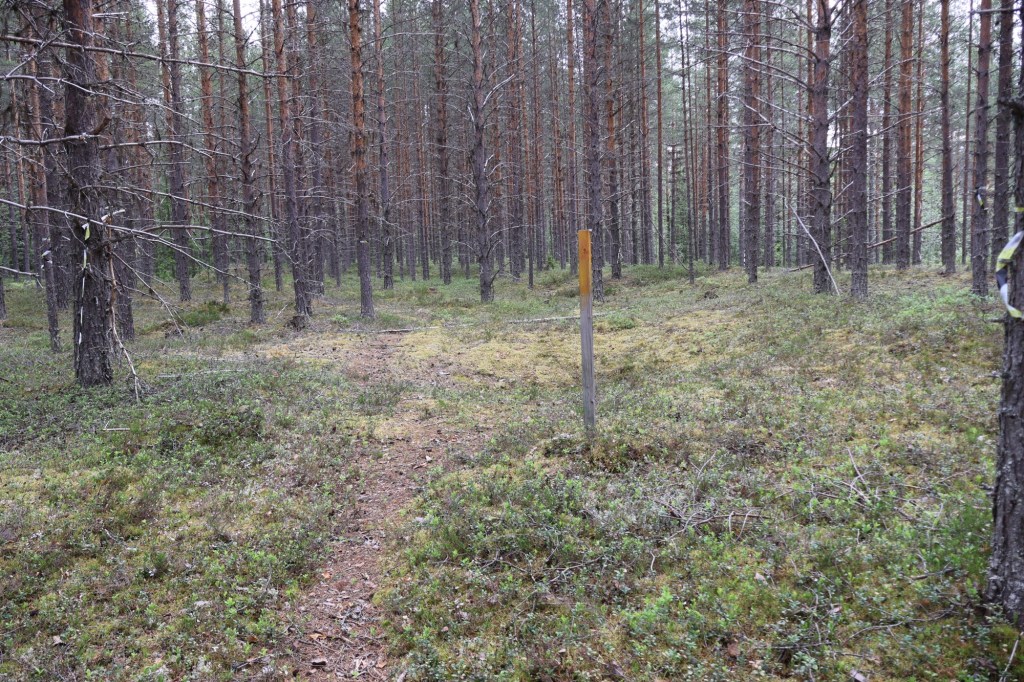
En svensk version av texten finns under den engelska. English: The Pittfall traps at Västanbäck-Kortingön On my trip to the most northern part of Scandinavia during the summer of 2024, I chose to take a break 16 km northeast of Junsele along road 90 at a place called Västanbäck-Kortingön to stretch my legs. The driving…
 Fornminnen