
Gudhem is probably best known for its appearance in the Swedish historical novels The Crusades Trilogy and movie trilogy Arn The Knight’s Templar based on these books. The love interest of the main character Arn, Cecilia Algotsdotter also known as Cicilia Rosa spends 20 years in this abbey as punishment for having relations outside of wedlock.

The real historical place of Gudhem are located in the Swedish province of Västergötland. It is first mentioned in the Jómsvíkinga saga written around 1200 but set in the 10th century where it goes under the name Goðheimr. The name literally means home of the Gods or Gods home.

There is a popular idea based on the Jómsvíkinga saga that this was the location of a temple dedicated to the Norse God Thor with over one hundred effigies dedicated to him. It was supposedly the largest temple in Götaland. If this is based in reality I really don’t know, but it is likely that it was a place of great importance already during the Viking Age.

Gudhem abbey or Gudhem Kloster as it is known in Swedish was a nunnery founded some time during the 12th century, there are conflicting accounts on the exact dates and who was the real founder. Some mentions the former wife of the Danish king Sweyn Estridsson Ulfsson, Gyda of Sweden who was a member of the well known Munsö dynasty founded by the even more well known Björn Ironside.
She lived in the middle of the 11th century, but the fact that she is mentioned in both Saxo Grammaticus and Adam of Bremens writings and that they fail to mention that she actually founded a abbey speaks against her as a possible candidate.

The evidence points towards a date around 1150 and 1175 at which point she was longe gone. Older historians often mentions the date of 1161 which is a possibility. In 1175 we know that the swedish king Knut Eriksson who was son of Eric the Holy donated the Gudhem royal farm to the abbey.
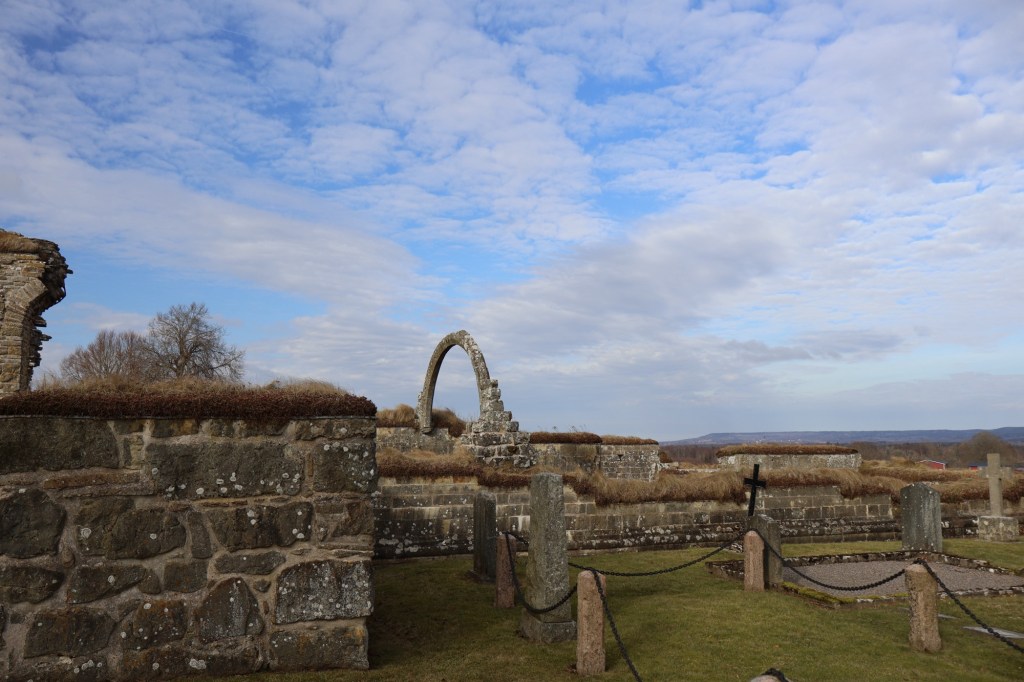
It is in any case the third oldest monastery in Sweden after Vreta Kloster and Alvastra Kloster.
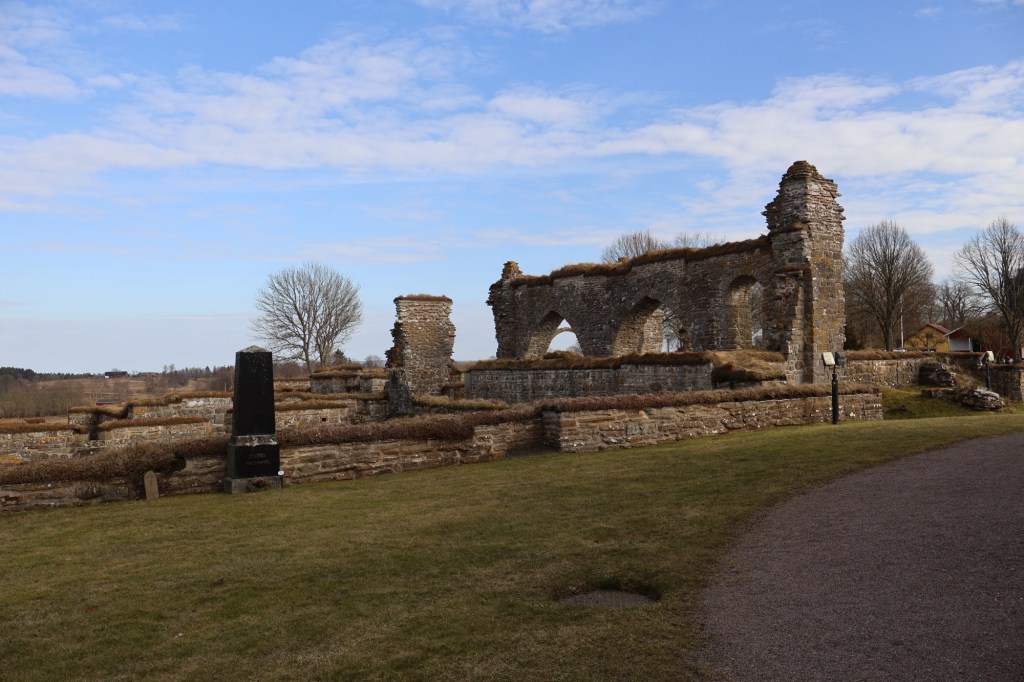
The abbey belonged to the Order of The Cistercians a monastic order for both monks and nuns. The abbey was a stopping point along the pilgrimage route that connected continental Europe with the grave of Saint Olaf the Holy in Nidaros, Norway.

The abbey had its golden age during the 13th century. Especially under the patronage of Catherine Sunesdotter who was queen of Sweden between 1244-1250 when she was married to the Swedish king Erik Eriksson or Eric XI the Lisp and Lame as he was also known. He has one of the more entertaining names in Swedish history.

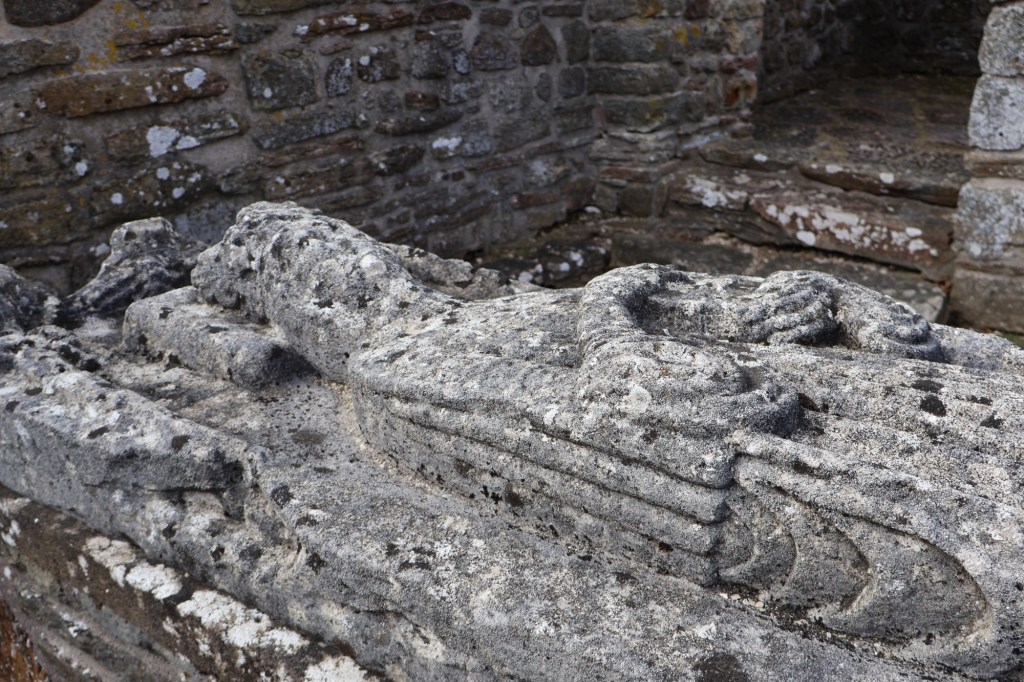
When Catherine became a widow in 1250 she chose tho donate a lot of landholdings to the abbey and she lived there until her death in 1252. Her large donations made it possible for the abbey to grow. She was buried there in a for Sweden quite unique grave. The only comparable one is that of Birger Jarl. The lid that bore her likeness was originally painted and is now housed in the Swedish history museum in Stockholm to protect it. In its place is a copy made with concrete in the 1960s.
During the 14th century the abbey was gifted land donations from Queen Margaret I, who founded and ruled the Kalmar Union between Sweden, Denmark and Norway. In return for her donation she wanted an altar commemorating Virgin Mary to be erected in the abbey.
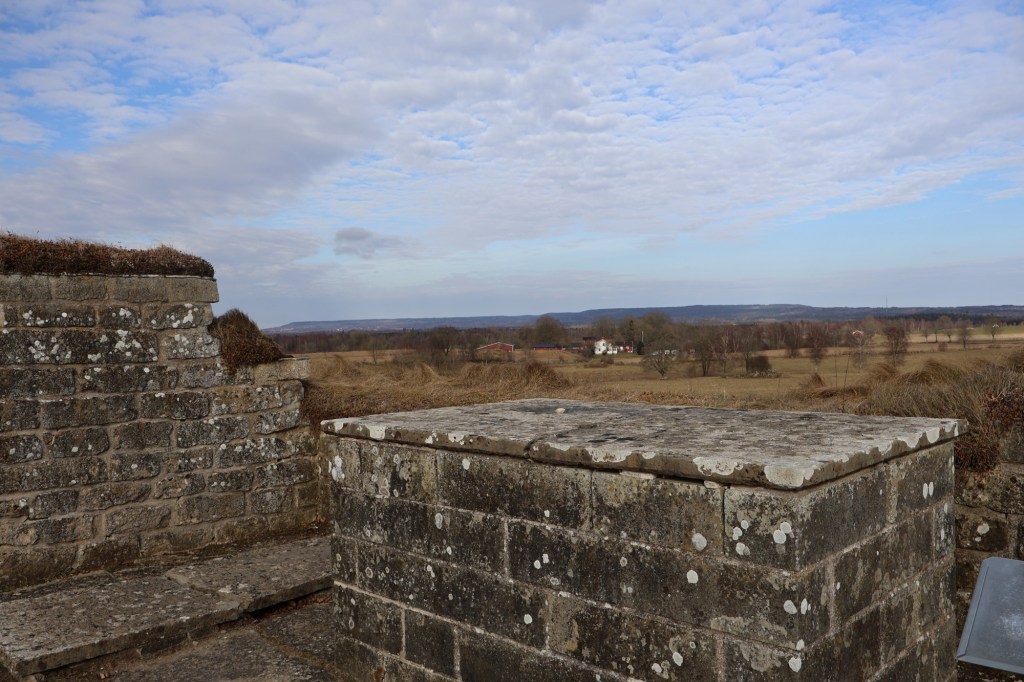
The abbey lost its prominence in 1527 during the reformation when the crown under King Gustav Vasa confiscated their land holdings. The nuns were allowed to stay if they paid a rent of 72 pounds of butter yearly to the land lord, the knight Nils Olofsson that was gifted the land by the king.

The Nuns would suffer from more bad luck in 1529 when a fire devastated the abbey and left it in ruins. The nuns made a petition to the king to be allowed to rebuild the abbey which they were allowed to do at their own expense.

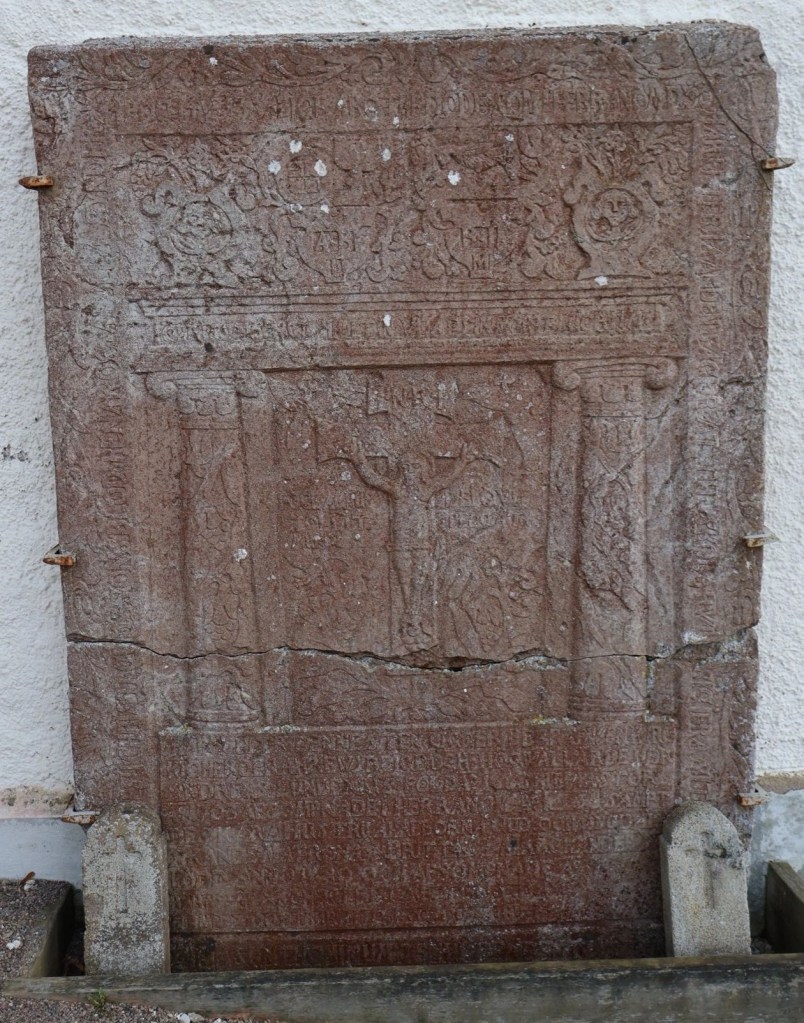
The remaining nuns moved into the surrounding farms living with the farmers while trying to rebuild. They never succeed and the last nuns that we know of in the area still lived among the farmers in the 1540s. A few decades later all types of monasteries would become outlawed in Sweden.
In the 17th century the ruins were used as a source of stones for constructions in other places.
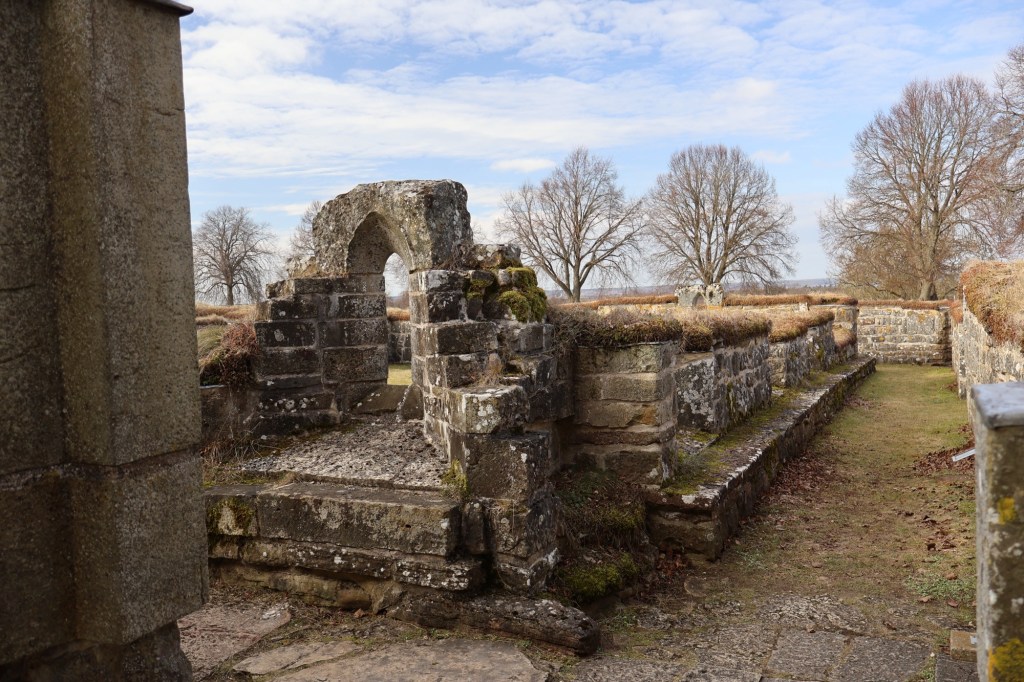
The original abbey was constructed in Romanesque style but the church next to it is constructed in a much later style. This is because the Danes burned and looted the church between 1563 and 1570, so the locals rebuilt it using stones from the abbey ruins and at the same time making it much taller. The church was sadly locked at my visit because I went there outside of tourist season. The church contains several interesting grave stones with runic inscriptions.
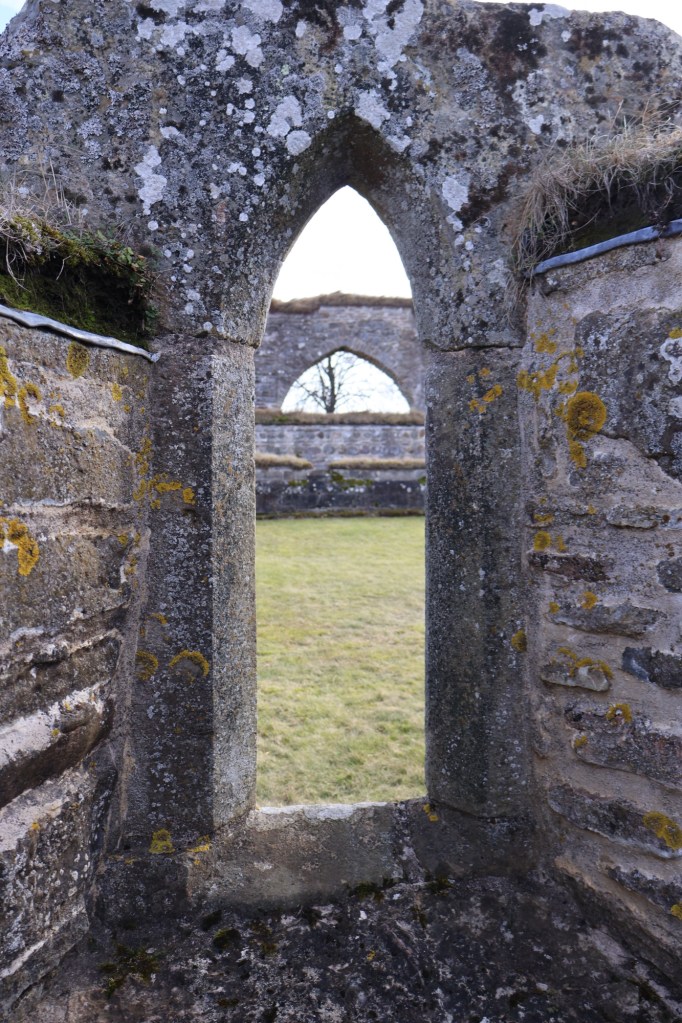
I really recommend people to visit this spectacular ruin, even during the colder months as I did. It was quite a experience to enjoy the ruins by my self. Enjoying the beautiful views over the well known lakes of Billingen and Hornborgasjön.

The later one is famous for the great numbers of cranes that congregate there in spectacular dances that for a short time in spring brings tourists and ornithologists from the entire country and abroad to watch the great natural display.


 Fornminnen
Lämna en kommentar