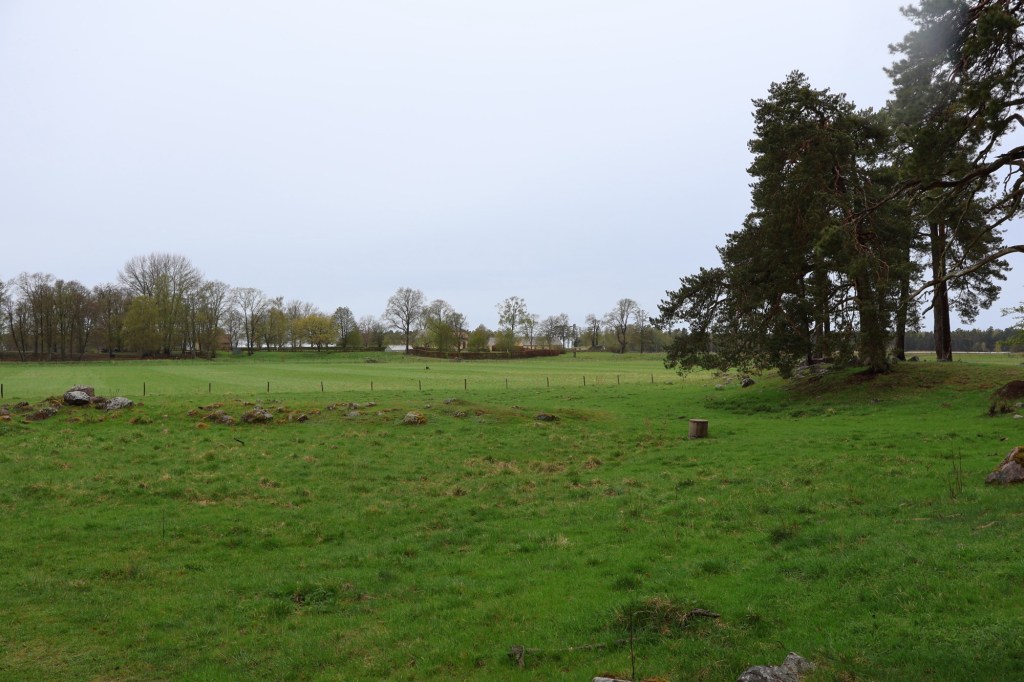
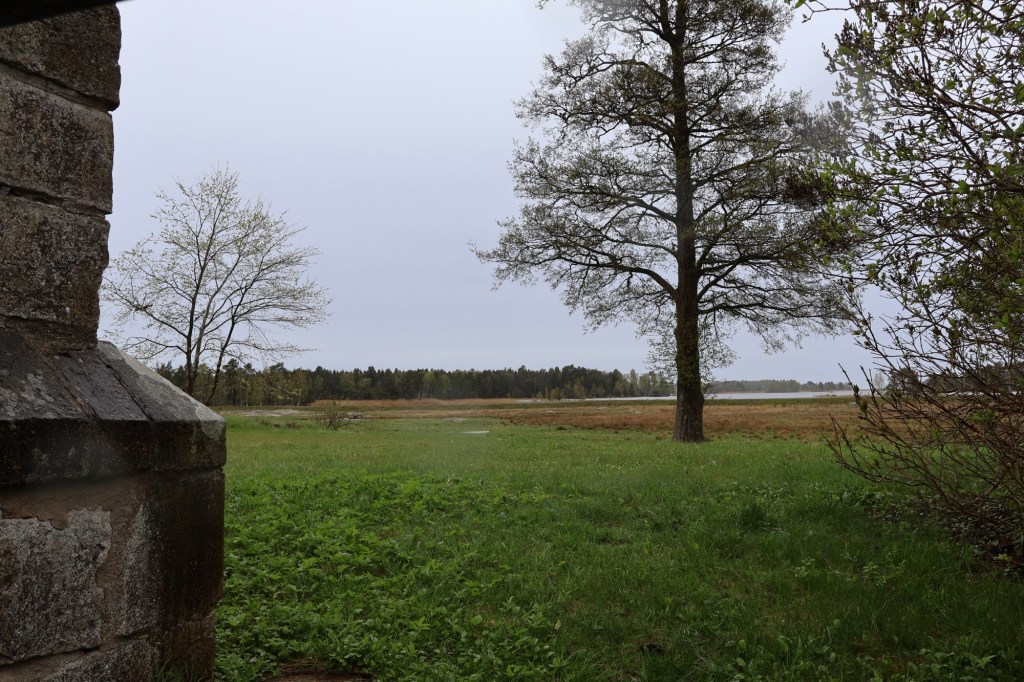
This was not my first visit to the ruins of Aranäs or Årnäs as it is also called. But this time the weather was particularly bad with cold temperatures, rain and strong gusts of wind. It made the whole experience revisiting this ruin particularly difficult as the location is exposed on a peninsula on the southern shore of lake Vänern, the largest lake in Scandinavia. This peninsula is located in the province of Västergötland, Sweden.

The name Aranäs is Old Norse in origin and ment örnäset (Eagles Istmus). Some people have. theorized based on the place name that this is a possible site of the earnanæs that is mentioned in Beowulf as the place where he died after killing the dragon.

In local legends Aranäs is proposed as the seat of the early kings of Västergötland until the Svea king in Uppsala Ingjald Illråde burned the Geatish king Algaut alive.
We really don’t know if anything of this is true. But it is always possible that the old myths have some truth in them. But we can be sure that Aranäs wasn’t the home of a Dragon.
In 1206 the Danish laid siege to the castle and they destroyed it. It was rebuilt some time in the middle of the century by a member of the Folkung family Jöns Philipsson.
Aranäs Castle is mentioned in the Eric chronicle written in the 1320s. But the text refers to events that took place in 1283 when Tyrgil Knutsson who had the title of Marsk or lord high constable of Sweden lived here.
In 1304 the Swedish dukes Erik and Valdemar had a meeting of reconciliation with their brother King Birger on Aranäs. The man that had invited the three brothers to a meeting and a party was Tyrgil Knutsson. He was the man that ruled Sweden before King Birger reached adulthood.
After the reconciliation, there had been hostility’s between the king and his brothers. The two dukes convinced the King that it was Tyrgil that had manipulated them all and turned brother against brother, even though he had always been loyal to the king. The king had Tyrgil arrested in Lena where he also had a farm and transported him to Stockholm where he was executed for treason 1306.
In 1305 the two dukes burned down the castle. If you are interested to know more about what happened with the dukes you can read about the events that is known as Håtunaleken and Nyköpings gästabud.
In 1308 the two brothers give away the castle to the nuns at Gudhem Abbey. The deal was that the nuns would move there within a year. In 1335 the nuns moved out as they are gifted a new farm by king Magnus. The same king regifted the nuns the castle again and they lived there for additionally 10 years until 1349.

In 1366 the king Albrekt of Mecklenburg gifted the castle to the German Gerhard Snakenborg on the condition that he didn’t arm it or build any fortifications. Aranäs is later mentioned in the source in 1371 when king Magnus sells the castle to the Bishop in Skara as payment for a debt.

The next time we hear of Aranäs in the sources is in the beginning of the 16th century when people seems to be living there again. But this doesn’t last long as Olaus Magnus mentions in the 1550s that the once great castle is desolate and in ruins. Olaus Magnus is the author of the famous book A Description of the Northern Peoples.

In 1683 the crown sells Aranäs once again and this time it becomes a private estate and changes name to Årnäs. In the 18th century the current manor house is constructed in which garden the ruins now lie.

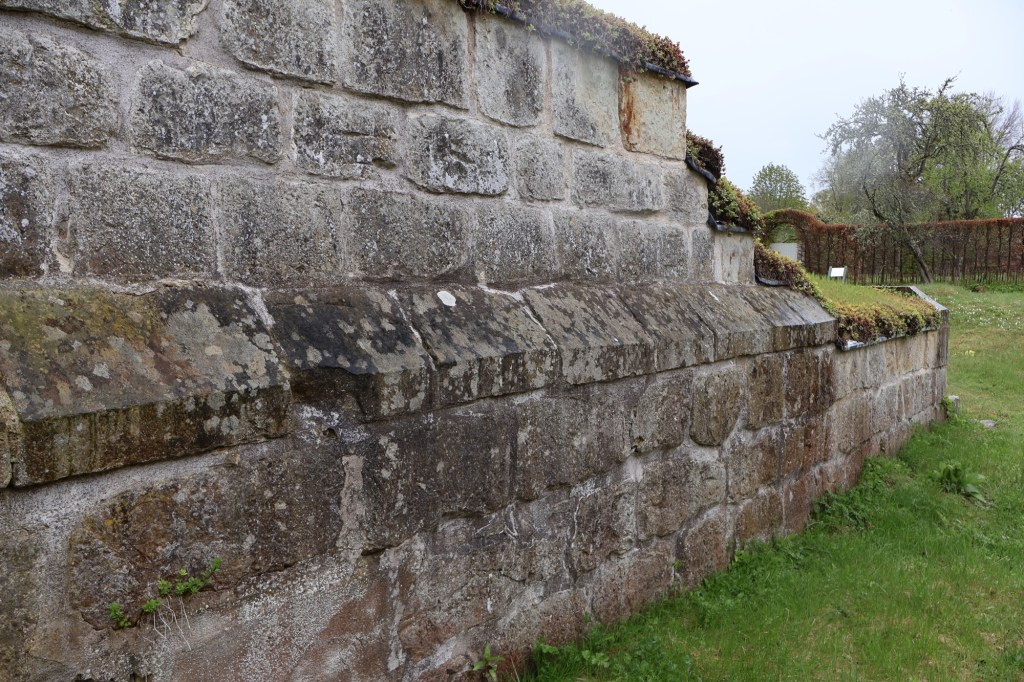
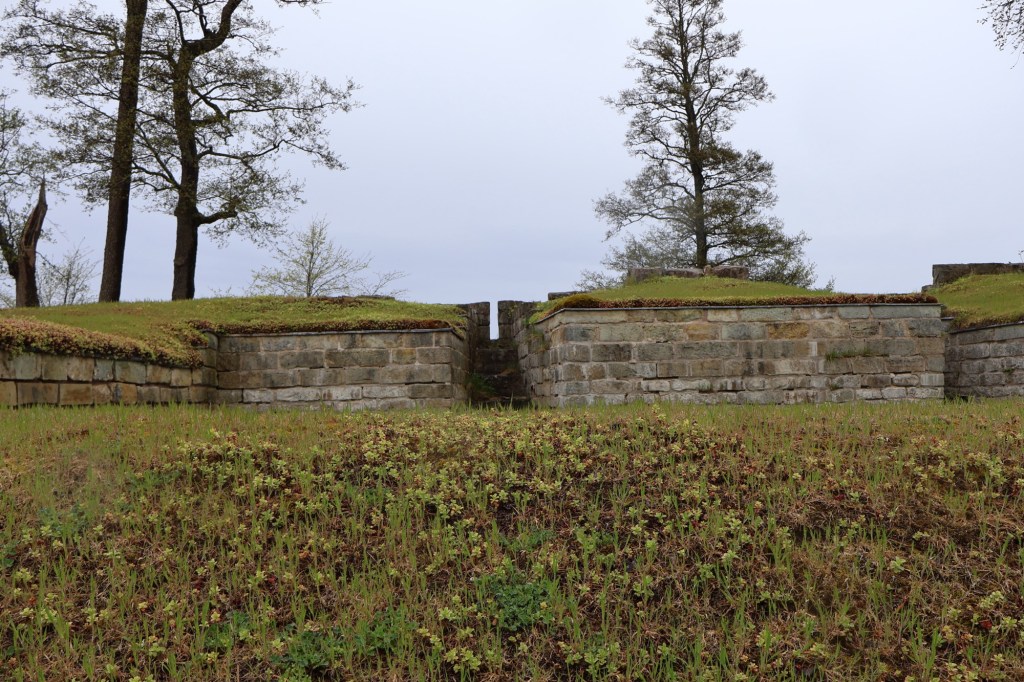
Between 1916 and 1923 archeologists excavated parts of the ruins. They found a square central tower of which is visible today. It was constructed using sandstone and it is unique in Scandinavia as it is a donjon, a type of fortified square tower that we normally see in northern France in the 12th century. The ring walls around the tower were 30 meters long 4 meters thick and 4,4 meters tall. During the first excavations a helmet belonging to a knight was found. It is a possibility that it belonged to Tyrgil Knutsson.
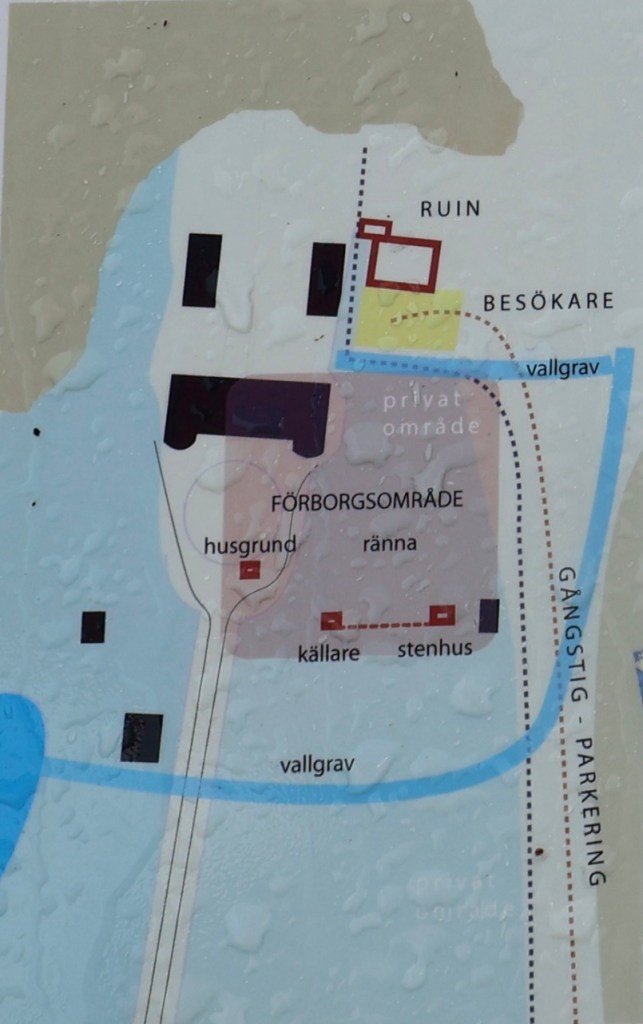
The castle had at least three moats that was possibly water filled and one of them were stone clad. Over the moats there was drawbridges. The castle also had the natural defense of boggy terrain which made it a strategically situated place.
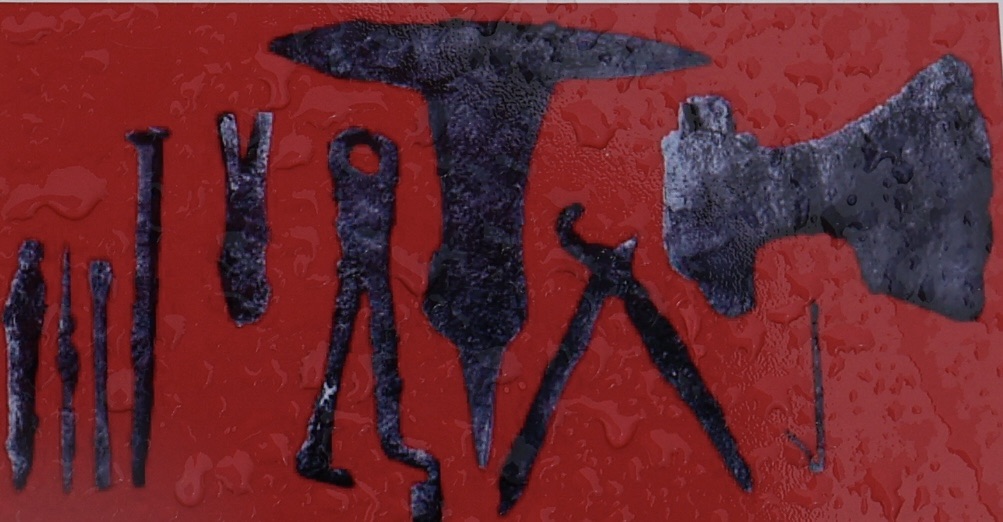
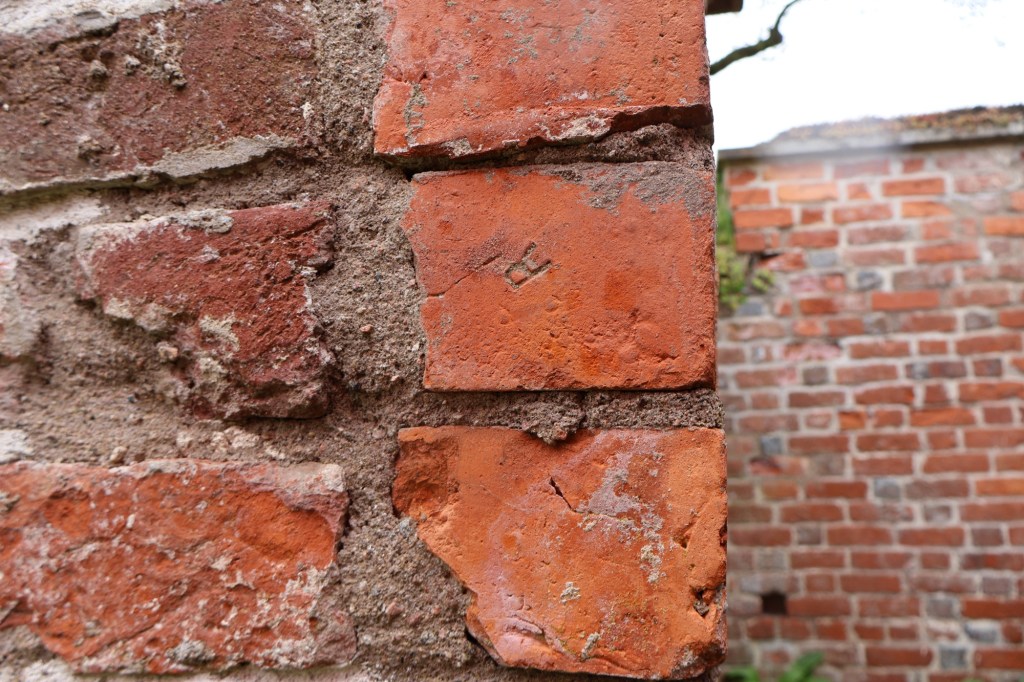
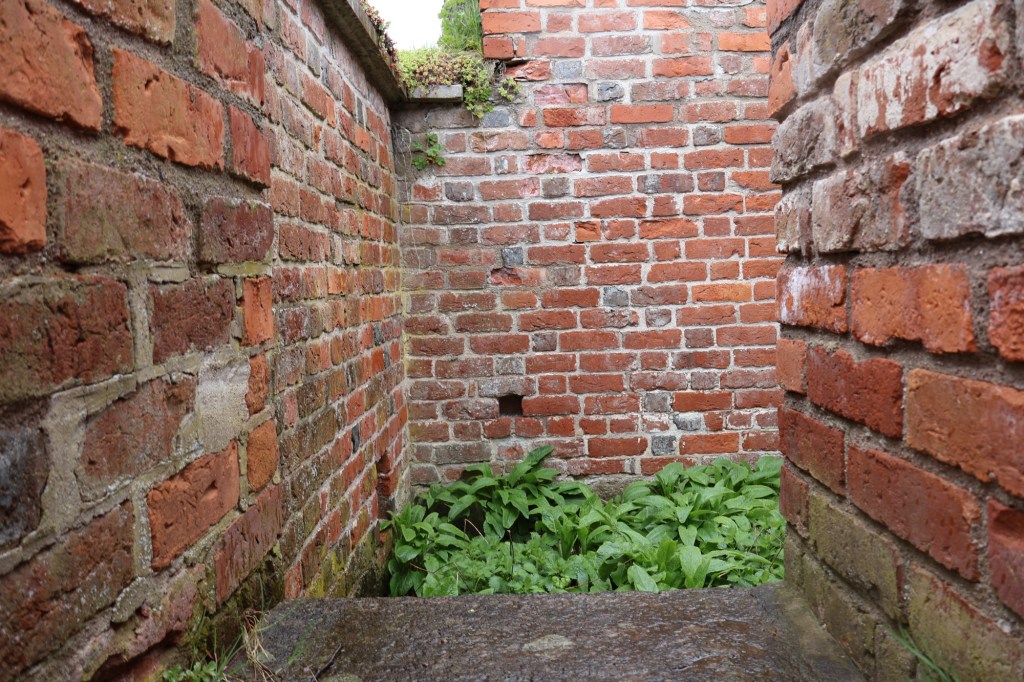
Later excavations have found more buildings in the courtyard that were of an exceptionally high class. Especially one of them with cut sandstone windows and bricks that were shaped in architectural designs. The building had a grand staircase leading down to a cellar. The building had plumbing that went from the house out to the lake. This building was a palace that was home to the Castellan.
The excavations have shown that Aranäs is one of the most important castles in Sweden at that time and had an equal living standard as Castle Tre kronor that was the royal castle in Stockholm.
The archeologists have tried to find an older fortification but has failed in their attempts, but that doesn’t mean that there wasn’t an older fort here.

Some readers might recognize the name of the castle as it is the where the birthplace of the fictitious main character the Templar Arn Magnusson in the books and movies about him.

 Fornminnen
Lämna ett svar till Skalundahög – Fornminnen Avbryt svar